 Chirungu



-
 Afrikaans
 -
 Albanian
 -
 Amharic
 -
 Arabic
 -
 Armenian
 -
 Azerbaijani
 -
 Basque
 -
 Belarusian
 -
 Bengali
 -
 Bosnian
 -
 Bulgarian
 -
 Catalan
 -
 Cebuano
 -
 China
China -
 China (Taiwan)
 -
 Corsican
 -
 Croatian
 -
 Czech
Czech -
 Danish
 -
 Dutch
Dutch -
 English
 -
 Esperanto
 -
 Estonian
 -
 Finnish
 -
 French
 -
 Frisian
 -
 Galician
 -
 Georgian
 -
 German
 -
 Greek
Greek -
 Gujarati
 -
 Haitian Creole
 -
 hausa
hausa -
 hawaiian
 -
 Hebrew
 -
 Hindi
Hindi -
 Miao
Miao -
 Hungarian
 -
 Icelandic
 -
 igbo
igbo -
 Indonesian
 -
 irish
irish -
 Italian
 -
 Japanese
 -
 Javanese
 -
 Kannada
 -
 kazakh
 -
 Khmer
Khmer -
 Rwandese
 -
 Korean
 -
 Kurdish
 -
 Kyrgyz
 -
 Lao
Lao -
 Latin
Latin -
 Latvian
 -
 Lithuanian
 -
 Luxembourgish
 -
 Macedonian
 -
 Malgashi
 -
 Malay
Malay -
 Malayalam
 -
 Maltese
 -
 Maori
Maori -
 Marathi
 -
 Mongolian
 -
 Myanmar
 -
 Nepali
 -
 Norwegian
 -
 Norwegian
 -
 Occitan
 -
 Pashto
 -
 Persian
 -
 Polish
 -
 Portuguese
 -
 Punjabi
 -
 Romanian
 -
 Russian
 -
 Samoan
 -
 Scottish Gaelic
 -
 Serbian
 -
 Sesotho
 -
 Shona
Shona -
 Sindhi
 -
 Sinhala
 -
 Slovak
 -
 Slovenian
 -
 Somali
 -
 Spanish
 -
 Sundanese
 -
 Swahili
 -
 Swedish
 -
 Tagalog
 -
 Tajik
Tajik -
 Tamil
Tamil -
 Tatar
Tatar -
 Telugu
 -
 Thai
Thai -
 Turkish
 -
 Turkmen
 -
 Ukrainian
 -
 Urdu
Urdu -
 Uighur
 -
 Uzbek
Uzbek -
 Vietnamese
 -
 Welsh
Welsh -
 Bantu
Bantu -
 Yiddish
 -
 Yoruba
 -
 Zulu
Zulu
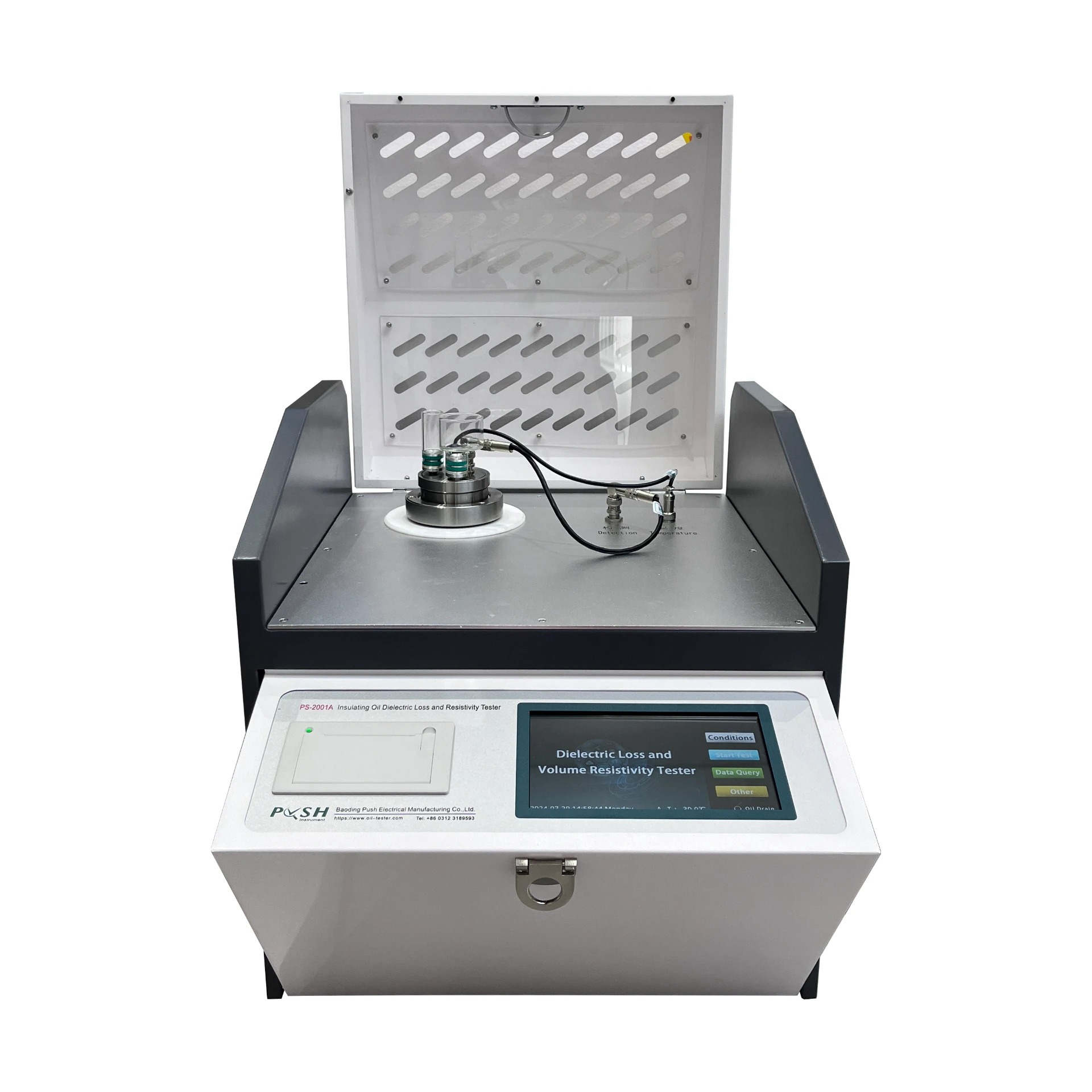
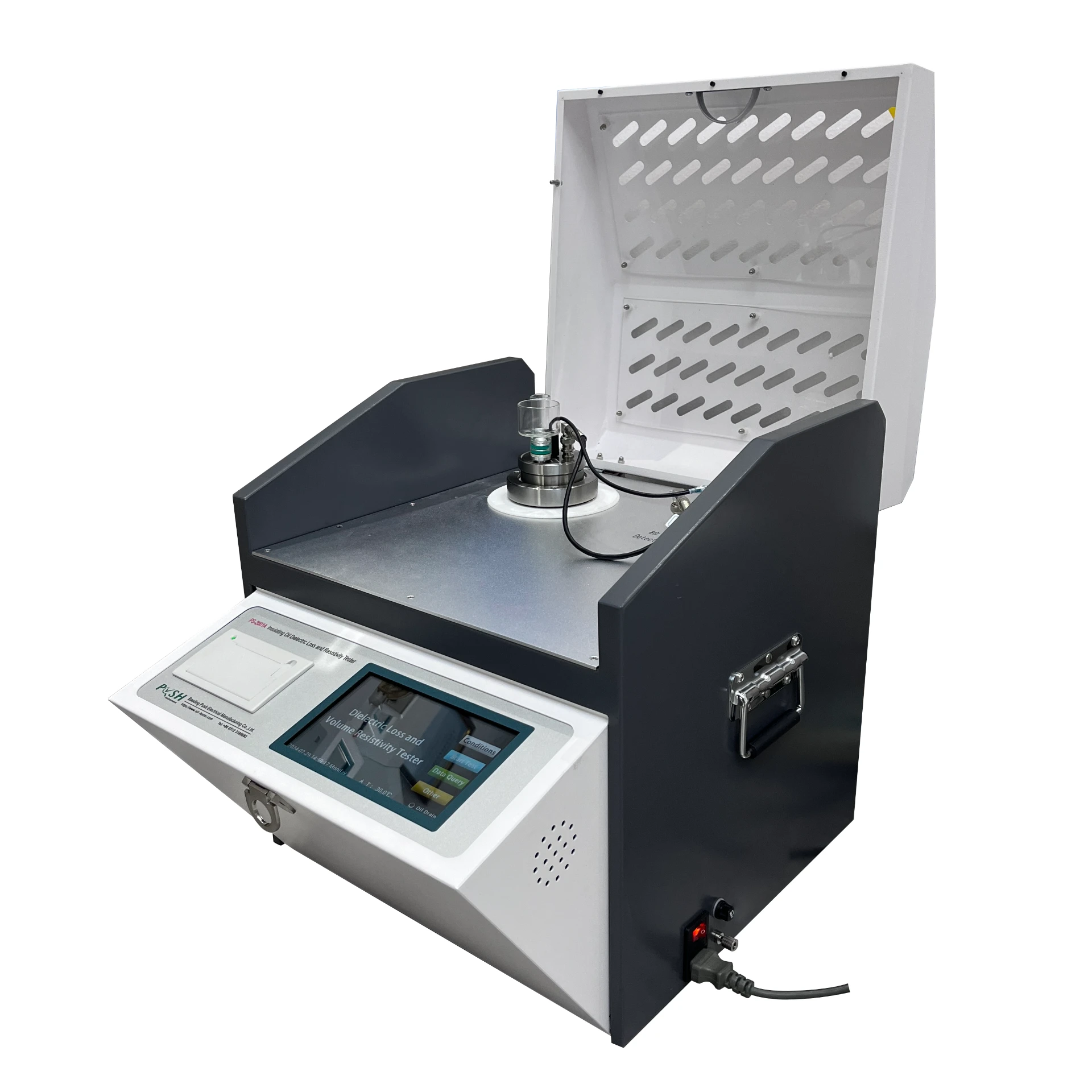
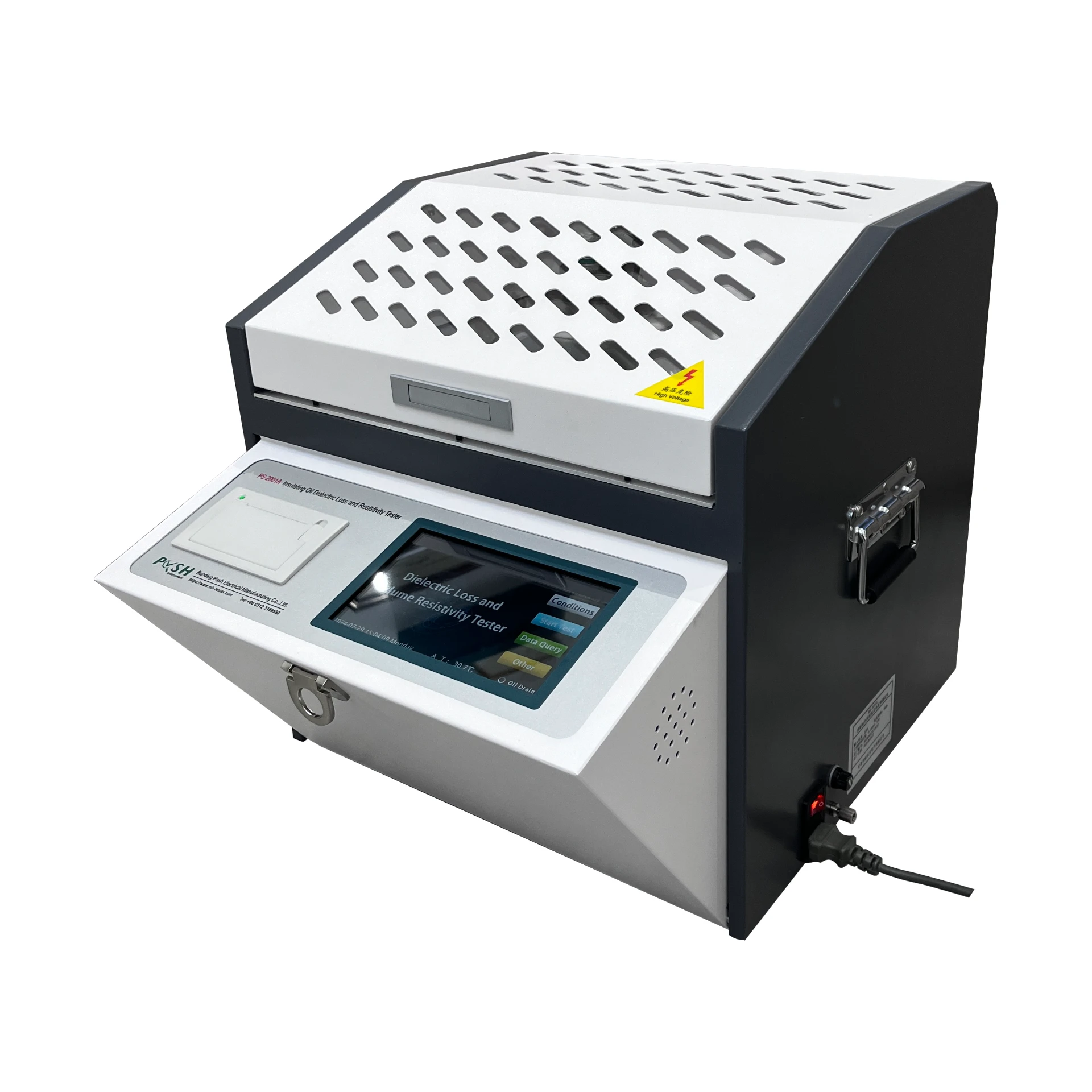
- High automation, heating, measuring dielectric loss, and measuring resistivity can be completed at a time.
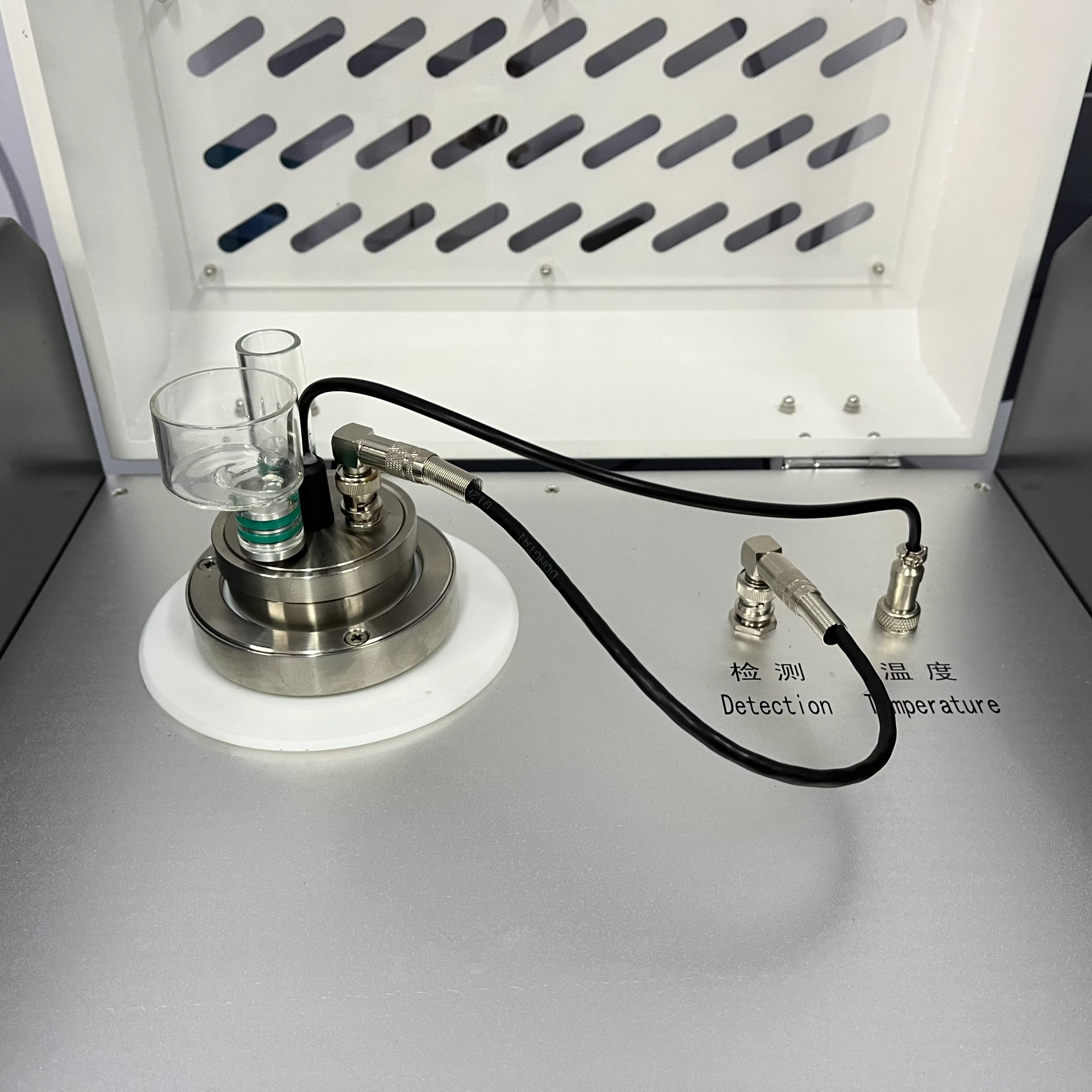
- The three electrode type structure with an GB/T5654-2007 standard, inter electrode spacing 2mm, can eliminate stray capacitance and leakage effect on the dielectric loss test results.
- The instrument uses medium frequency induction heating, PID temperature control algorithm. This heating mode has the advantages of non-contact, oil cup and heating body, uniform heating speed, convenient control, the temperature control in temperature within the preset range error.
- Using advanced DSP and FFT technology to ensure the stability, accuracy and reliability of the data
- Internal standard capacitor for the SF6 charging three pole capacitor, dielectric loss and capacitance of the capacitor is not affected by ambient temperature, humidity, etc., so that the accuracy of the instrument after a long time to use is still guaranteed.
- Large screen color touch screen, man-machine dialogue convenient, concise operation, clear.
- With the lid off the high voltage, high voltage electrode cup short reminder, eliminate safety hazards, to ensure the normal operation of the safety of operating personnel and equipment.
- With real-time clock, test date, time can be saved with the test results, display, print; equipment can display the ambient temperature, real-time detection of the test environment.
- Automatic storage measurement data, can store 100 sets of measurement data.
- Correction function of empty electrode cup. The capacitance and dielectric loss factor of the empty electrode cup are measured to judge the cleaning and assembling condition of the empty electrode cup. The calibration data are saved automatically to facilitate the accurate calculation of relative capacitance and DC resistivity.
- Automatic emptying cup without disassembly, convenient and quick.
|
Parameter |
Index |
Parameter |
Index |
||
|
chiyero |
Capacitance |
5pF~200pF |
Kugadzirisa simba |
Capacitance |
0.01pF |
|
Dielectric kurasikirwa |
0.00001~100 |
Dielectric kurasikirwa |
10-5 |
||
|
Resistivity |
2.5MΩm~20TΩm |
Resistivity |
0.001M |
||
|
Kuyera |
Capacitance |
0.5%+1PF |
Kudzora kururama |
±0.5℃ |
|
|
Dielectric kurasikirwa |
±(1%Kuverenga+0.0001) |
Tembiricha range |
0~125℃ |
||
|
Resistivity |
±10%Kuverenga |
AC voltage |
AC 0~2200V |
||
|
DC voltage |
DC 0~600V |
||||
|
Ambient tembiricha |
0~40℃ |
Ambient humidity |
<80% RH |
||
|
Kushanda magetsi |
AC220V±10%(50±1)Hz |
Size |
420mm*380mm*420mm |
||
|
Simba |
100W |
Kurema |
21Kg (kapu yemahara) |
||
dielectric loss factor
dielectric loss meter
dielectric loss tangent
dielectric loss test
dielectric loss tester
oil tan delta
oil tan delta tester
tan delta meter
tan delta system
tan delta test
tan delta tester
test tan delta
transformer tan delta
volume resistivity tester
-
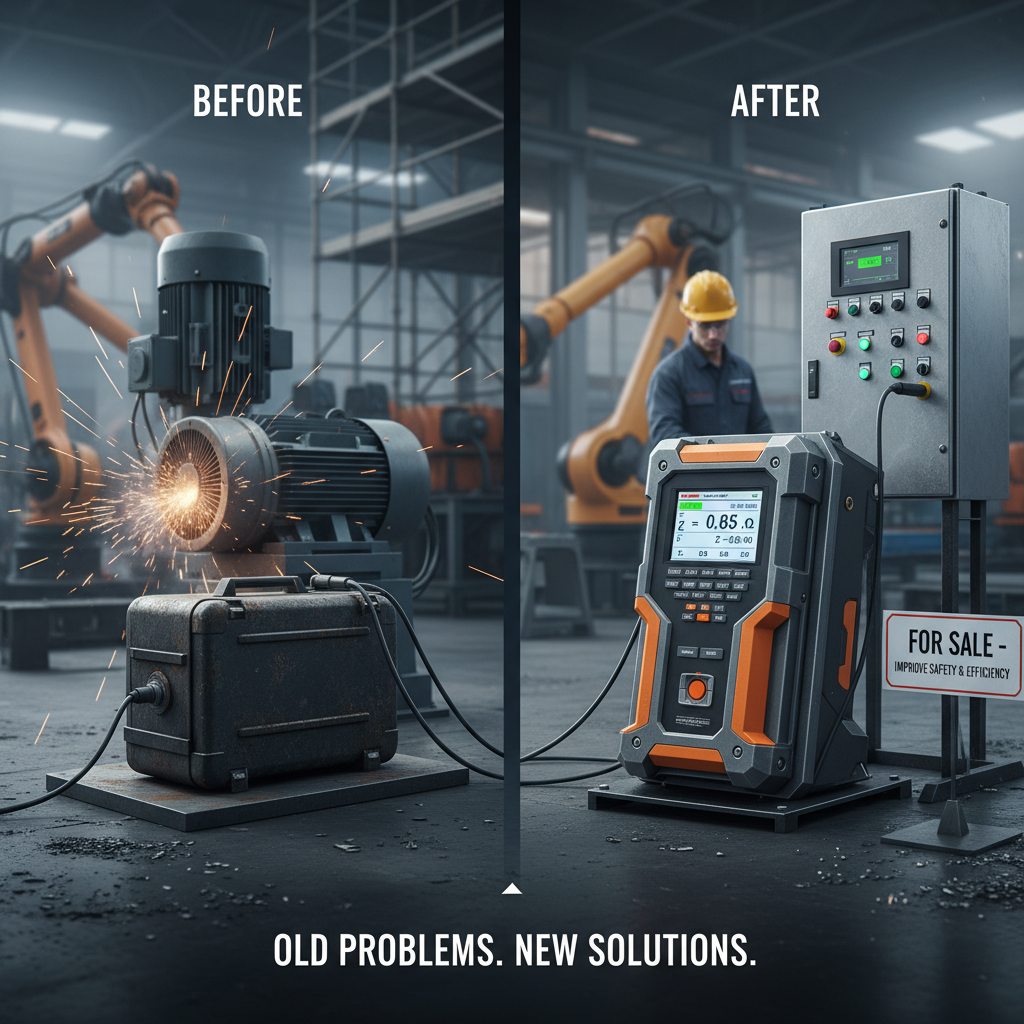 Find the Best Loop Impedance Tester for Sale and Ensure Electrical SafetyWhen ensuring electrical safety, accurate loop impedance testing is crucial. Whether you’re an electrician, a facilities manager, or a safety inspector, having a reliable loop impedance tester for sale is essential. This article will guide you through the key considerations when purchasing a loop impedance tester, explore the different types available, and highlight the benefits of choosing a high-quality instrument. Understanding the nuances of these testers will help you make an informed decision and ensure compliance with safety regulations.Detail
 -
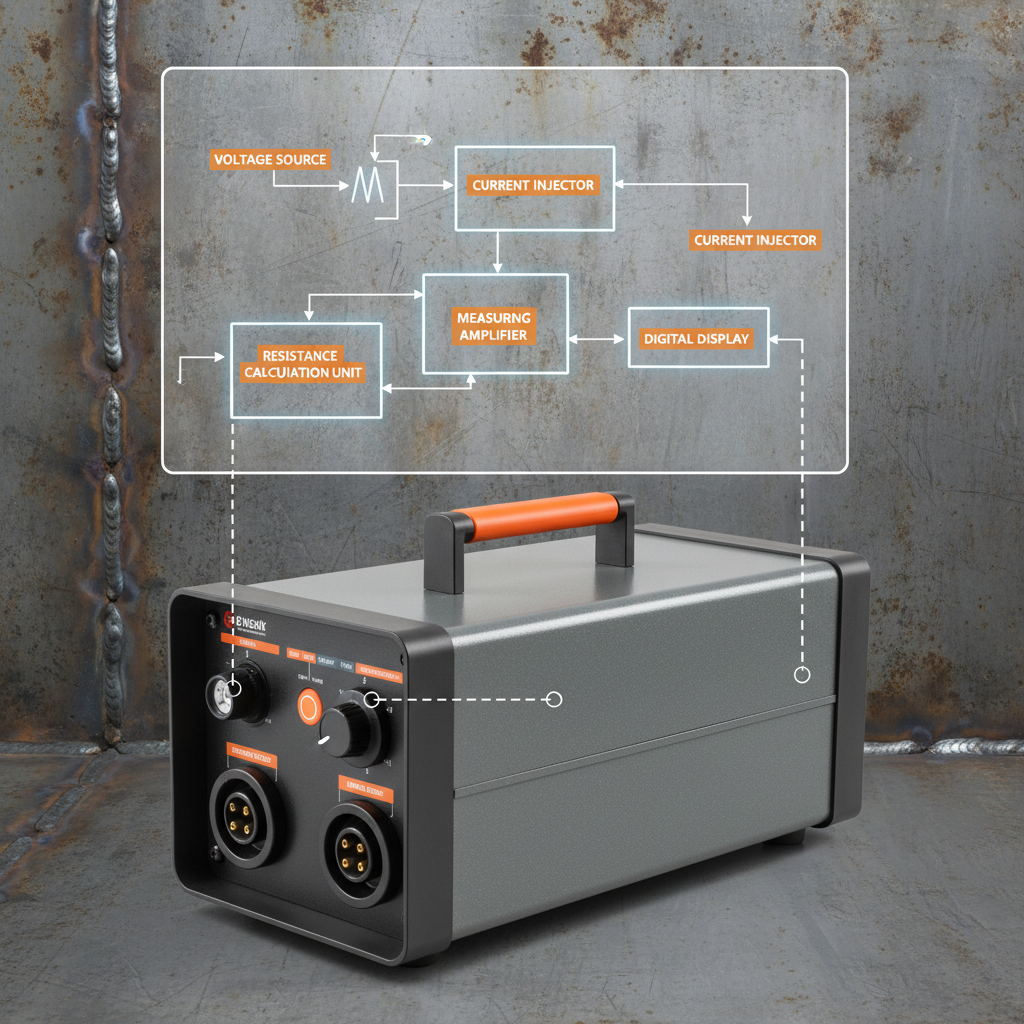 Comprehensive Guide to Loop Impedance Meter for Electrical SafetyEnsuring electrical safety is paramount in any installation, and a loop impedance meter is a crucial tool for achieving this. This device measures the total impedance of the earth fault loop, helping to verify that protective devices will operate correctly under fault conditions. In this article, we'll explore what a loop impedance meter is, how it works, its applications, factors influencing measurements, choosing the right meter, and the importance of regular testing. Investing in a quality meter from Push Tester is a step towards safer electrical systems.Detail
 -
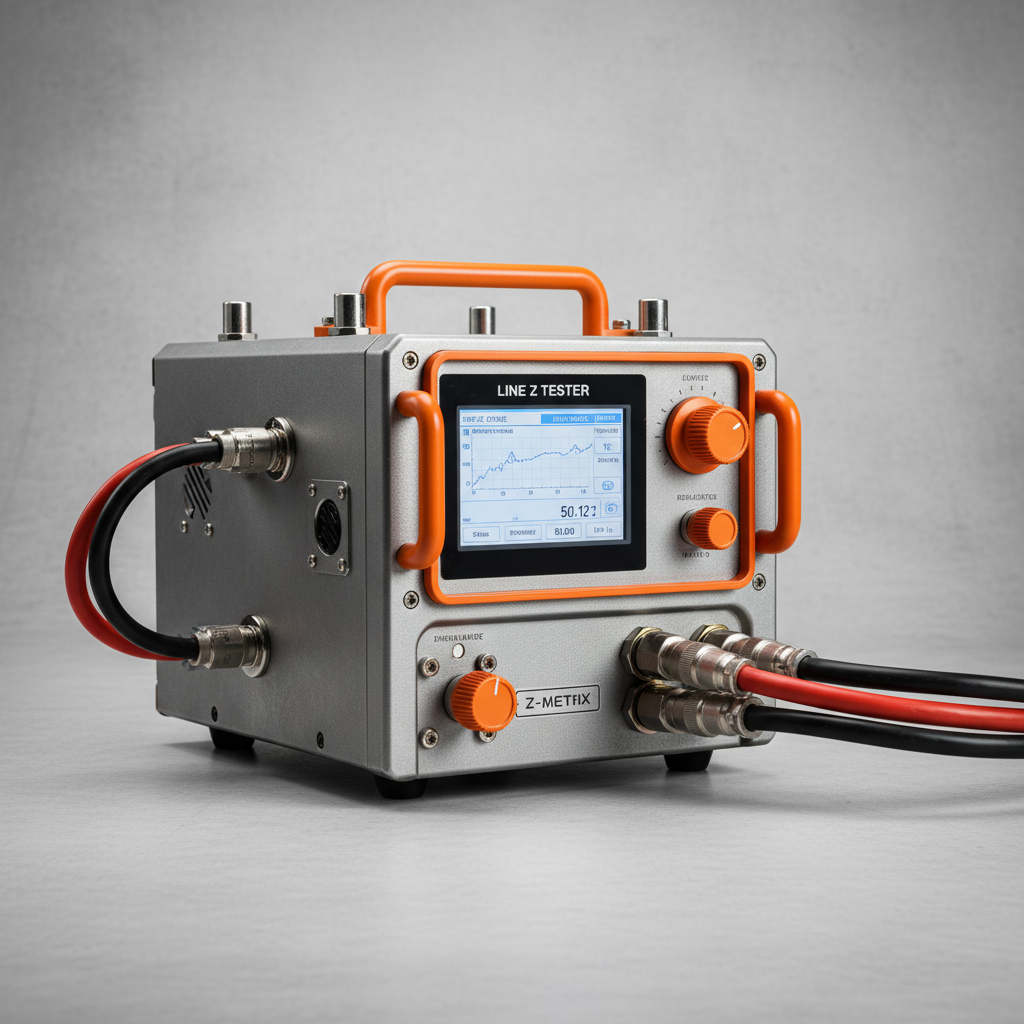 Understanding and Choosing a Line Impedance Tester for Optimal Network PerformanceIn the realm of telecommunications and electrical engineering, maintaining the integrity of transmission lines is paramount. A line impedance tester is a crucial instrument for ensuring optimal signal transmission and preventing costly network disruptions. This article delves into the world of line impedance testing, exploring its importance, applications, types of testers, and what to look for when making a purchase. Ensuring accurate impedance measurements is essential for efficient and reliable network performance. Choosing the right tester can significantly impact troubleshooting speed and the overall quality of your infrastructure. A line impedance tester, also known as a cable impedance analyzer, is a device used to measure the characteristic impedance of coaxial cables, twisted pair cables, and other transmission lines. Impedance, measured in ohms, represents the opposition to the flow of alternating current. Maintaining the correct impedance (typically 50 or 75 ohms) is vital for minimizing signal reflections, ensuring efficient power transfer, and preventing signal degradation. Mismatched impedance can lead to signal loss, ghosting, and reduced network performance. Regular testing helps identify faults and maintain network integrity.Detail


