 English



Comprehensive Guide to Loop Impedance Testers and Electrical Safety
Understanding the Loop Impedance Tester: A Comprehensive Guide
Ensuring electrical safety is paramount in any industrial or commercial setting. A crucial tool for achieving this is the loop impedance tester. This article will provide a detailed overview of loop impedance testing, its importance, how it works, and the benefits of choosing a reliable tester like those offered by Push Tester. Proper loop impedance testing is a vital component of a comprehensive electrical safety program and helps prevent potentially dangerous situations. We will explore its application in various settings, along with the features to look for when selecting a tester.
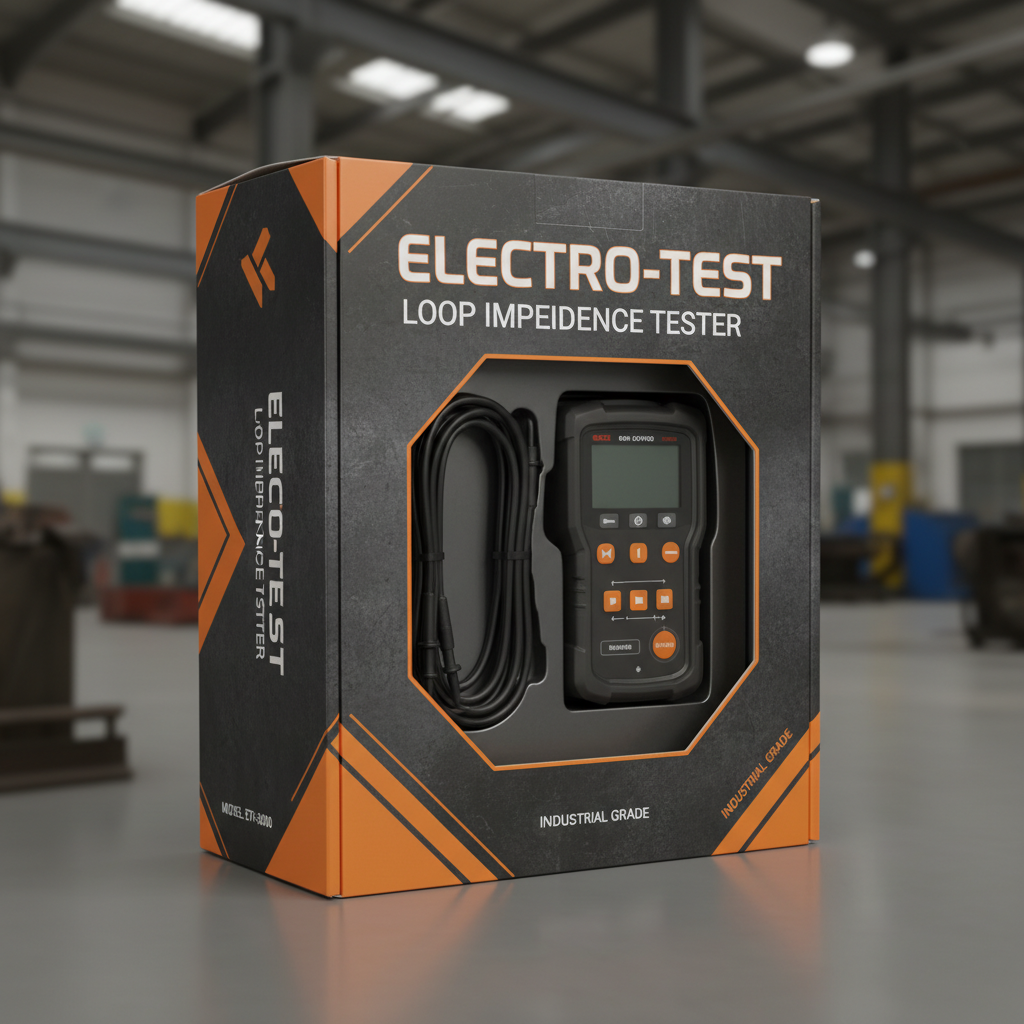
What is Loop Impedance and Why is it Important?
Loop impedance refers to the total impedance of the fault current loop within an electrical installation. This loop consists of the live conductor, the protective device (fuse or circuit breaker), the earth conductor, and the fault path back to the source. Measuring loop impedance is critical because it determines whether a fault current will be high enough to quickly trip the protective device, thus minimizing the risk of electric shock or fire. A high loop impedance means a lower fault current, potentially leading to a dangerous delay in tripping the device. Regular testing ensures that the loop impedance remains within acceptable limits as defined by electrical safety standards.
Key Takeaway: Low loop impedance ensures a fast and effective tripping of protective devices in the event of a fault, safeguarding people and property.
How Does a Loop Impedance Tester Work?
A loop impedance tester works by injecting a small, controlled test current into the circuit and measuring the resulting voltage drop. Using Ohm’s Law (Impedance = Voltage / Current), the tester calculates the total loop impedance. Modern testers typically offer both touch-voltage and current-loop measurement options. Touch-voltage measurement checks the voltage between the live conductor and earth, while current-loop measurement simulates a fault condition to measure the impedance of the complete loop. The tester then displays the result, allowing technicians to quickly assess the safety of the electrical installation.
Loop Impedance Testing Process:
• Isolate the circuit to be tested.
• Connect the tester leads appropriately.
• Initiate the test and record the reading.
• Compare the result to acceptable limits.
Choosing the Right Loop Impedance Tester: Key Features
When selecting a loop impedance tester, consider several key features. Accuracy and reliability are crucial, so look for testers that meet relevant industry standards. A user-friendly interface with a clear display is also important for efficient operation. Features such as automatic RCD trip time testing, fault loop impedance testing, and earth electrode resistance testing can enhance the tester’s versatility. Battery life and portability are also considerations, especially for technicians who work on-site. Push Tester offers a range of robust and accurate testers designed to meet the needs of professionals.
Applications of Loop Impedance Testing
Loop impedance testing is essential in a variety of settings, including residential buildings, commercial properties, industrial facilities, and construction sites. It’s a key part of Electrical Installation Condition Reports (EICRs) and periodic safety inspections. Regular testing is also crucial after any modifications or additions to the electrical system. Maintaining low loop impedance is a legal requirement in many jurisdictions, and failure to comply can result in fines or other penalties. By proactively addressing potential issues, loop impedance testing helps to prevent accidents and ensure a safe electrical environment.
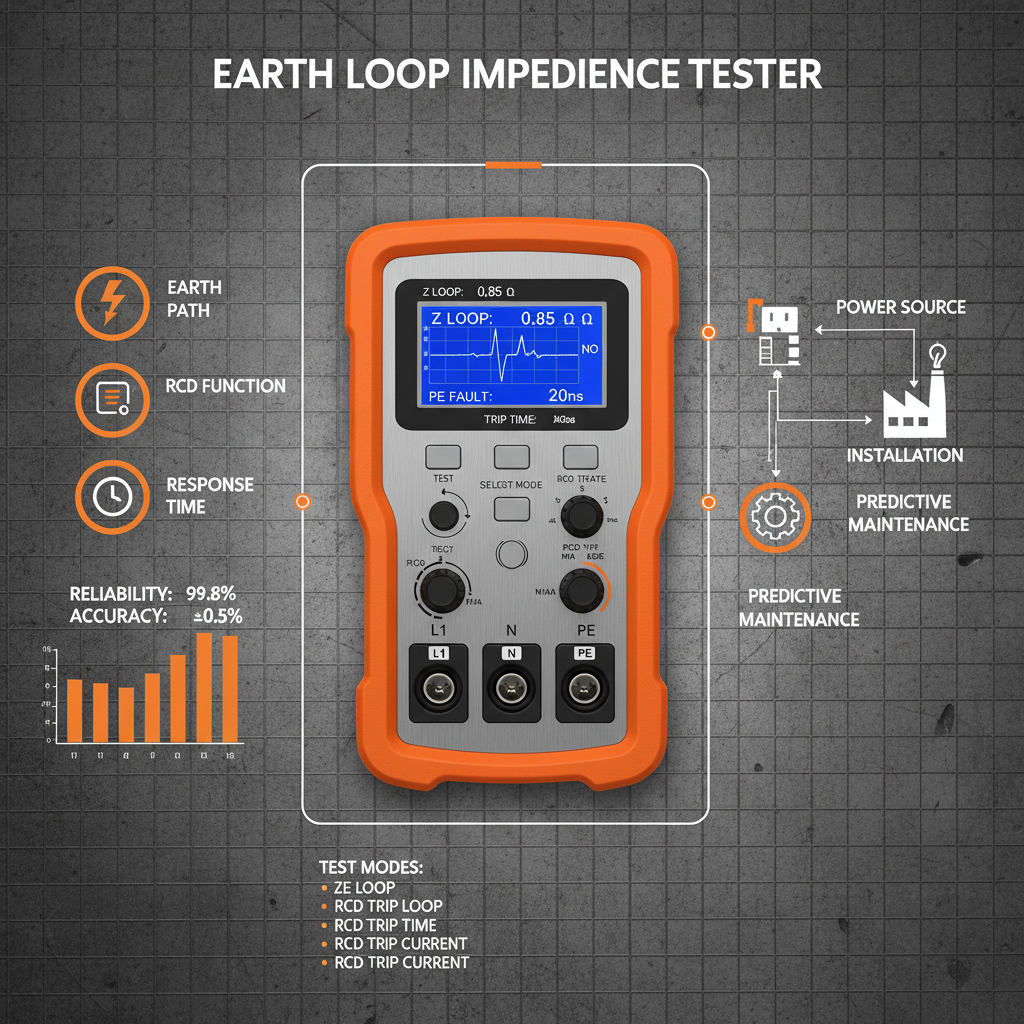
Push Tester: Reliable Loop Impedance Testing Solutions
At Push Tester, we offer a range of high-quality loop impedance testers designed for accuracy, reliability, and ease of use. Our testers are built to withstand the rigors of professional use and provide consistent, dependable results. We are committed to providing our customers with the tools they need to ensure electrical safety and compliance. Explore our product range today to find the perfect loop impedance tester for your needs.
Conclusion: Prioritizing Electrical Safety with Loop Impedance Testing
Loop impedance testing is a critical component of any comprehensive electrical safety program. Investing in a reliable loop impedance tester from Push Tester allows professionals to quickly and accurately assess the safety of electrical installations, preventing potential hazards and ensuring compliance with industry standards. Don't compromise on safety – choose Push Tester for your electrical testing needs.
Frequently Asked Questions (FAQs)
What is considered a safe loop impedance reading?
A safe loop impedance reading depends on the protective device (fuse or circuit breaker) rating. Generally, the lower the impedance, the better. For a 32A circuit, a loop impedance of less than 0.8 ohms is typically considered safe. However, always refer to the relevant electrical safety standards and regulations for specific requirements. It's crucial to calculate the maximum permitted loop impedance based on the device’s tripping characteristics and the cable length to ensure proper protection. A qualified electrician should perform these calculations and interpret the test results.
How often should loop impedance testing be performed?
The frequency of loop impedance testing depends on the type of installation and its intended use. For new installations, testing should be performed upon completion. For existing installations, periodic inspections and testing are recommended, typically every 5 years for domestic properties and every 1-5 years for commercial and industrial properties, depending on risk assessment. Testing is also required after any alterations or additions to the electrical system. Regular testing helps to identify any degradation in the system’s performance and ensures ongoing safety.
Can I perform loop impedance testing myself?
While it’s possible to purchase a loop impedance tester and perform the testing yourself, it's strongly recommended that this work is carried out by a qualified and competent electrician. Electrical testing can be dangerous if not performed correctly, and improper readings can lead to incorrect assessments of safety. A qualified electrician will have the necessary knowledge, training, and equipment to perform the testing safely and accurately and to interpret the results in accordance with relevant regulations.
What happens if my loop impedance reading is too high?
If your loop impedance reading is too high, it indicates that the fault current will be insufficient to quickly trip the protective device in the event of a fault. This poses a significant safety risk. The appropriate course of action depends on the severity of the reading. Common solutions include replacing undersized cables, reducing the length of the circuit, or upgrading the protective device. A qualified electrician should assess the situation and implement the necessary corrective measures.
-
Find the Best Loop Impedance Tester for Sale and Ensure Electrical SafetyNewsMar.31,2026
-
Comprehensive Guide to Loop Impedance Meter for Electrical SafetyNewsMar.28,2026
-
Understanding and Choosing a Line Impedance Tester for Optimal Network PerformanceNewsMar.26,2026
-
Comprehensive Guide to Line Earth Loop Impedance Test for Electrical SafetyNewsMar.24,2026
-
Comprehensive Guide to Fault Loop Impedance Meter and Electrical SafetyNewsMar.21,2026
-
Comprehensive Guide to External Loop Impedance Test for Electrical SafetyNewsMar.19,2026


