TEL:
+86-0312-3189593
 IsiNgesi


Umnxeba:0312-3189593

I-imeyile:sales@oil-tester.com
-
 Afrikaans
 -
 Albanian
 -
 Amharic
 -
 Arabic
 -
 Armenian
 -
 Azerbaijani
 -
 Basque
 -
 Belarusian
 -
 Bengali
 -
 Bosnian
 -
 Bulgarian
 -
 Catalan
 -
 Cebuano
 -
 China
China -
 China (Taiwan)
 -
 Corsican
 -
 Croatian
 -
 Czech
Czech -
 Danish
 -
 Dutch
Dutch -
 English
 -
 Esperanto
 -
 Estonian
 -
 Finnish
 -
 French
 -
 Frisian
 -
 Galician
 -
 Georgian
 -
 German
 -
 Greek
Greek -
 Gujarati
 -
 Haitian Creole
 -
 hausa
hausa -
 hawaiian
 -
 Hebrew
 -
 Hindi
Hindi -
 Miao
Miao -
 Hungarian
 -
 Icelandic
 -
 igbo
igbo -
 Indonesian
 -
 irish
irish -
 Italian
 -
 Japanese
 -
 Javanese
 -
 Kannada
 -
 kazakh
 -
 Khmer
Khmer -
 Rwandese
 -
 Korean
 -
 Kurdish
 -
 Kyrgyz
 -
 Lao
Lao -
 Latin
Latin -
 Latvian
 -
 Lithuanian
 -
 Luxembourgish
 -
 Macedonian
 -
 Malgashi
 -
 Malay
Malay -
 Malayalam
 -
 Maltese
 -
 Maori
Maori -
 Marathi
 -
 Mongolian
 -
 Myanmar
 -
 Nepali
 -
 Norwegian
 -
 Norwegian
 -
 Occitan
 -
 Pashto
 -
 Persian
 -
 Polish
 -
 Portuguese
 -
 Punjabi
 -
 Romanian
 -
 Russian
 -
 Samoan
 -
 Scottish Gaelic
 -
 Serbian
 -
 Sesotho
 -
 Shona
Shona -
 Sindhi
 -
 Sinhala
 -
 Slovak
 -
 Slovenian
 -
 Somali
 -
 Spanish
 -
 Sundanese
 -
 Swahili
 -
 Swedish
 -
 Tagalog
 -
 Tajik
Tajik -
 Tamil
Tamil -
 Tatar
Tatar -
 Telugu
 -
 Thai
Thai -
 Turkish
 -
 Turkmen
 -
 Ukrainian
 -
 Urdu
Urdu -
 Uighur
 -
 Uzbek
Uzbek -
 Vietnamese
 -
 Welsh
Welsh -
 Bantu
Bantu -
 Yiddish
 -
 Yoruba
 -
 Zulu
Zulu
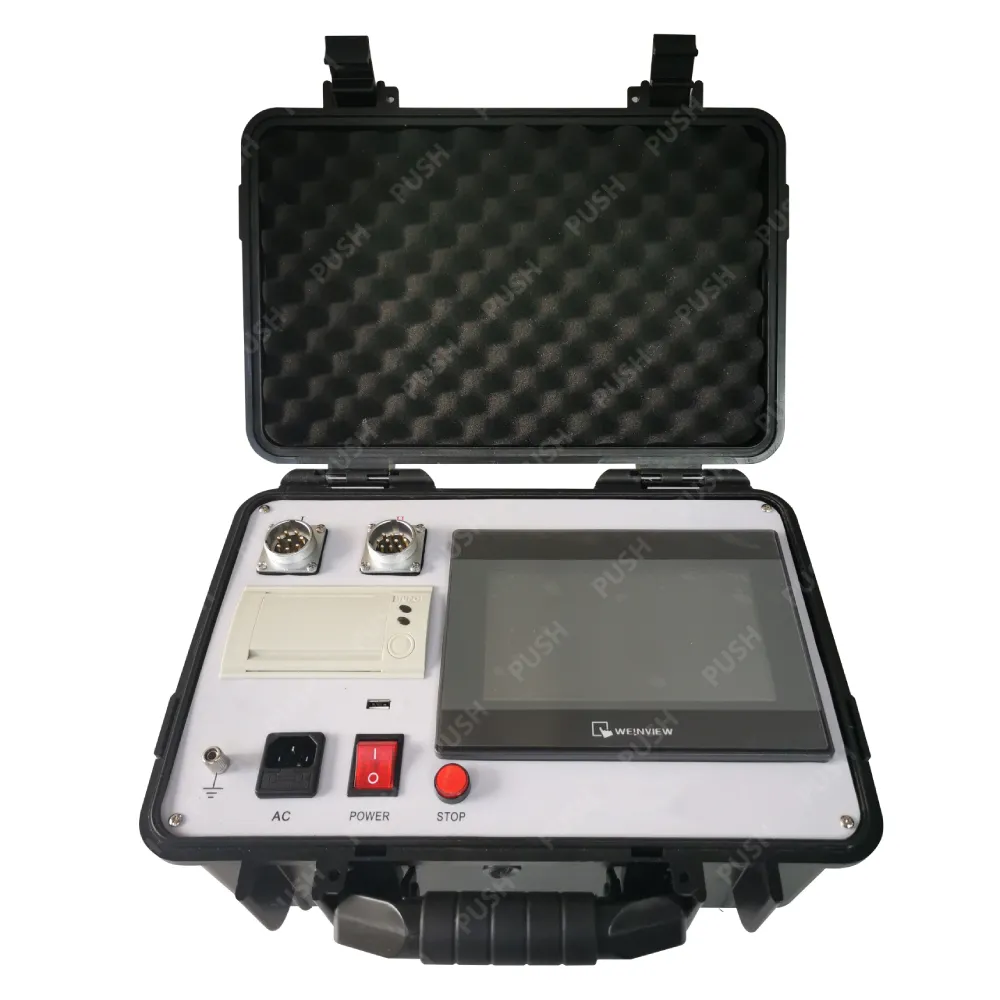
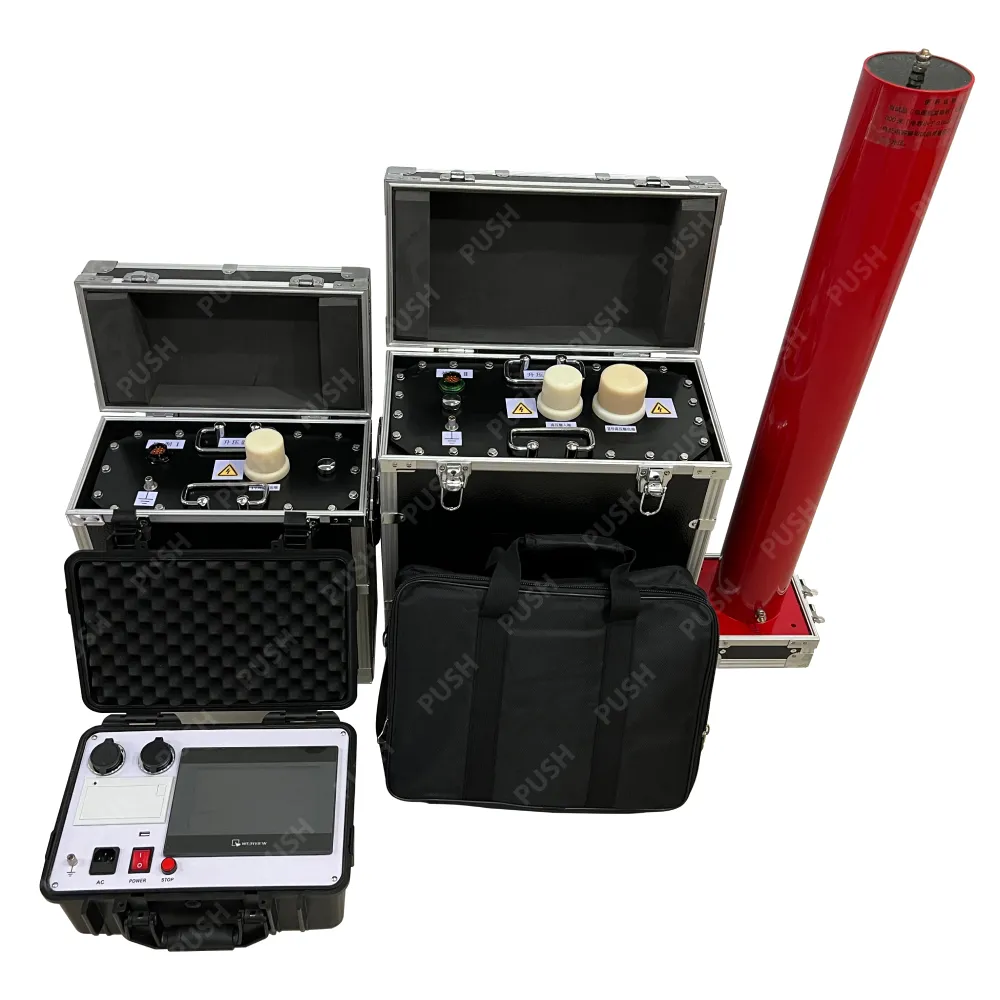
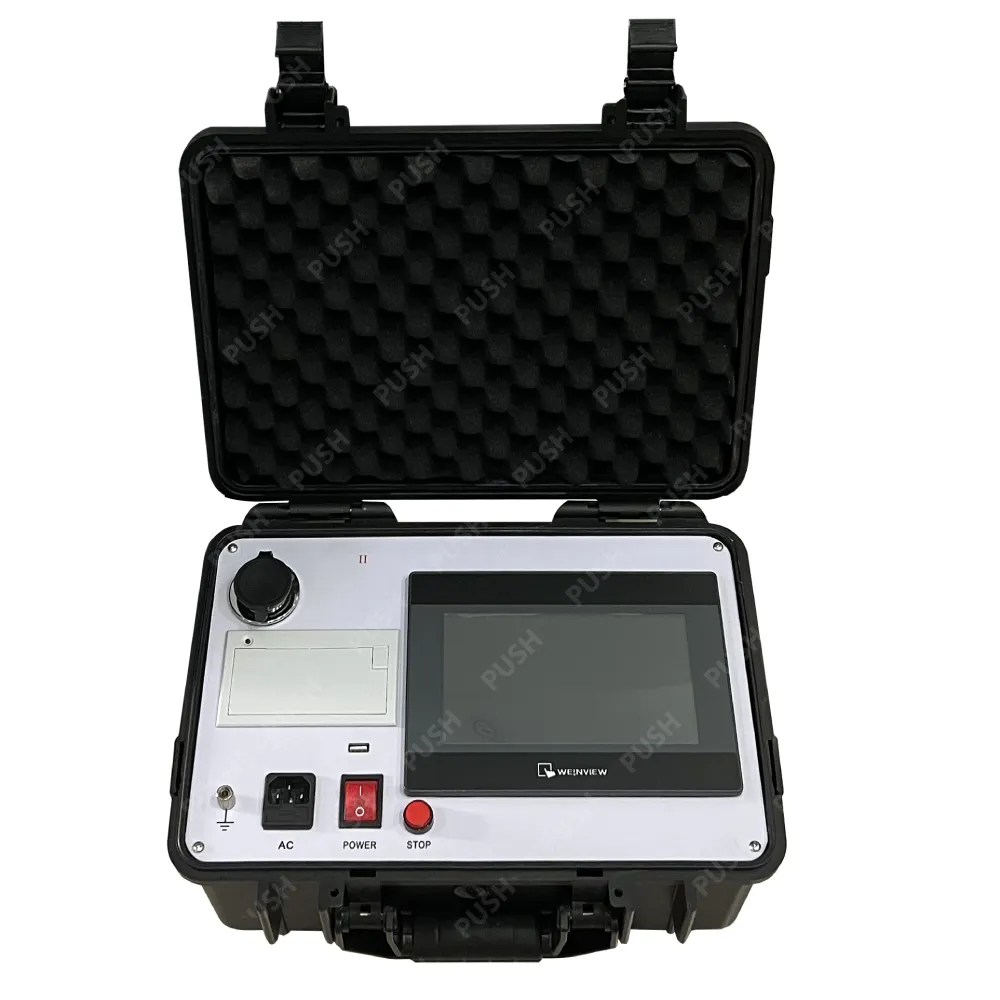
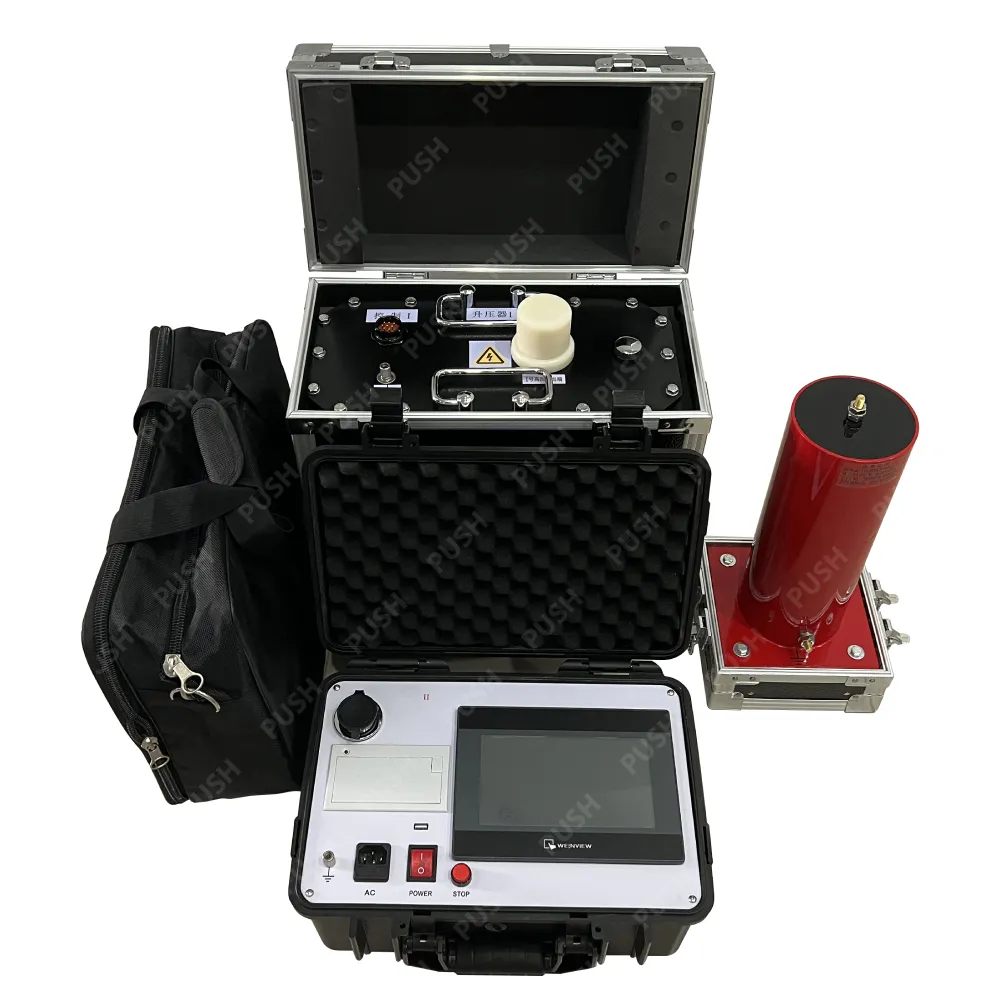
Intshayelelo yeNdawo yokuThengisa iMveliso
- I-1, idatha yangoku kunye ne-voltage ifunyenwe ngokuthe ngqo ngesampulu yecala le-voltage ephezulu, ngoko ke idatha iyinyani kwaye ichanekile.
- I-2, ukukhuselwa kwe-Overvoltage: Xa imveliso idlula ixabiso elimiselweyo lomda wombane, isixhobo siya kuvala ukukhusela, kwaye ixesha lesenzo lingaphantsi kwe-20ms.
- I-3, ukukhuselwa okugqithisiweyo: Yenzelwe ukhuseleko oluphezulu kunye noluphantsi lwe-voltage, icala eliphezulu lombane linokwenza ukhuseleko oluchanekileyo lokuvala ngokuhambelana nexabiso elimiselweyo; xa umbane kwicala eliphantsi le-voltage lidlula ngoku elilinganiselweyo, ukukhuselwa kokuvalwa kuya kwenziwa, kwaye ixesha lesenzo lingaphantsi kwama-20ms.
- I-4, i-high-voltage output resistance resistor yenzelwe ngaphakathi kwe-booster, ngoko akukho mfuneko yokudibanisa i-resistor yokukhusela yangaphandle.
- I-5, Ngenxa yokwamkelwa kwe-voltage ephezulu kunye nesezantsi evaliweyo-loop engalunganga yesiphaluka solawulo lwengxelo, imveliso ayinayo isiphumo sokunyuka kwe-capacitance.
IParameter yeMveliso
|
imodeli |
Umbane olinganisiweyo |
Umthamo womthwalo |
I-fuse yamandla |
ubunzima |
sebenzisa |
|
80KV ultra low frequency |
80kV (Incopho) |
0.1Hz,≤0.5µF |
25A |
Umlawuli: 6kg I-Booster I: 30kg I-Booster II: 50kg |
Isetyenziselwa iintambo kunye neejenereyitha ukuya kwi-35KV |
|
0.05Hz,≤1.0µF |
|||||
|
0.02Hz,≤2.5µF |
|||||
|
0.01Hz,≤5.0µF |
|||||
|
Sebenzisa yedwa |
30kV (Incopho) |
0.1Hz,≤1.1µF |
Isetyenziselwa iintambo kunye neejenereyitha ukuya kwi-10KV |
||
|
0.05Hz,≤2.2µF |
|||||
|
0.02Hz,≤5.5µF |
|||||
|
0.01Hz,≤11.0µF |
ac dc hipot tester
ac hipot tester
ac withstand test
cable hi pot test
dc hi pot test
dc hipot tester
hipot tester
hipot tester for sale
hipot tester manufacturers
hipot tester price
hipot vlf
portable hipot tester
vlf hipot
vlf tan delta cable testing
vlf tester
Bhala umyalezo wakho apha kwaye uwuthumele kuthi
Eyeleleneyo Iindaba
-
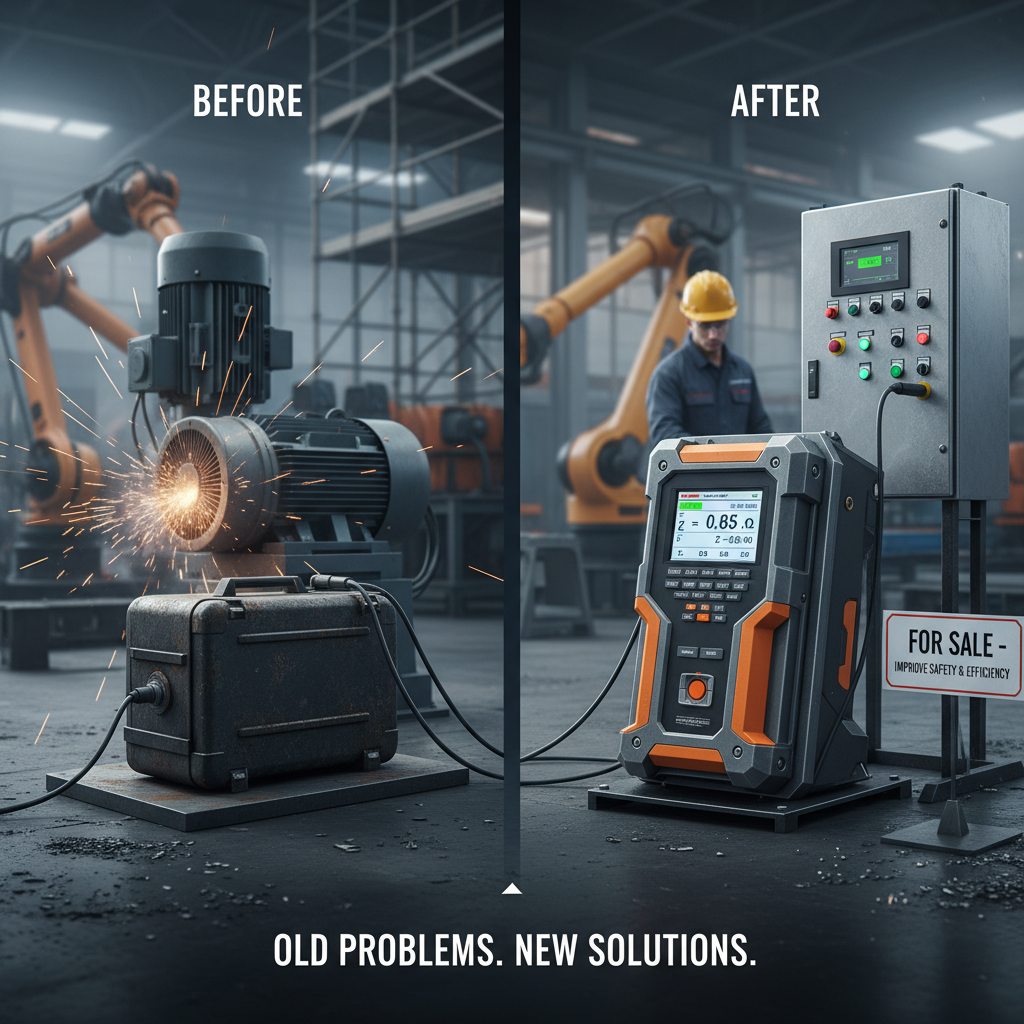 Find the Best Loop Impedance Tester for Sale and Ensure Electrical SafetyWhen ensuring electrical safety, accurate loop impedance testing is crucial. Whether you’re an electrician, a facilities manager, or a safety inspector, having a reliable loop impedance tester for sale is essential. This article will guide you through the key considerations when purchasing a loop impedance tester, explore the different types available, and highlight the benefits of choosing a high-quality instrument. Understanding the nuances of these testers will help you make an informed decision and ensure compliance with safety regulations.Iinkcukacha
 -
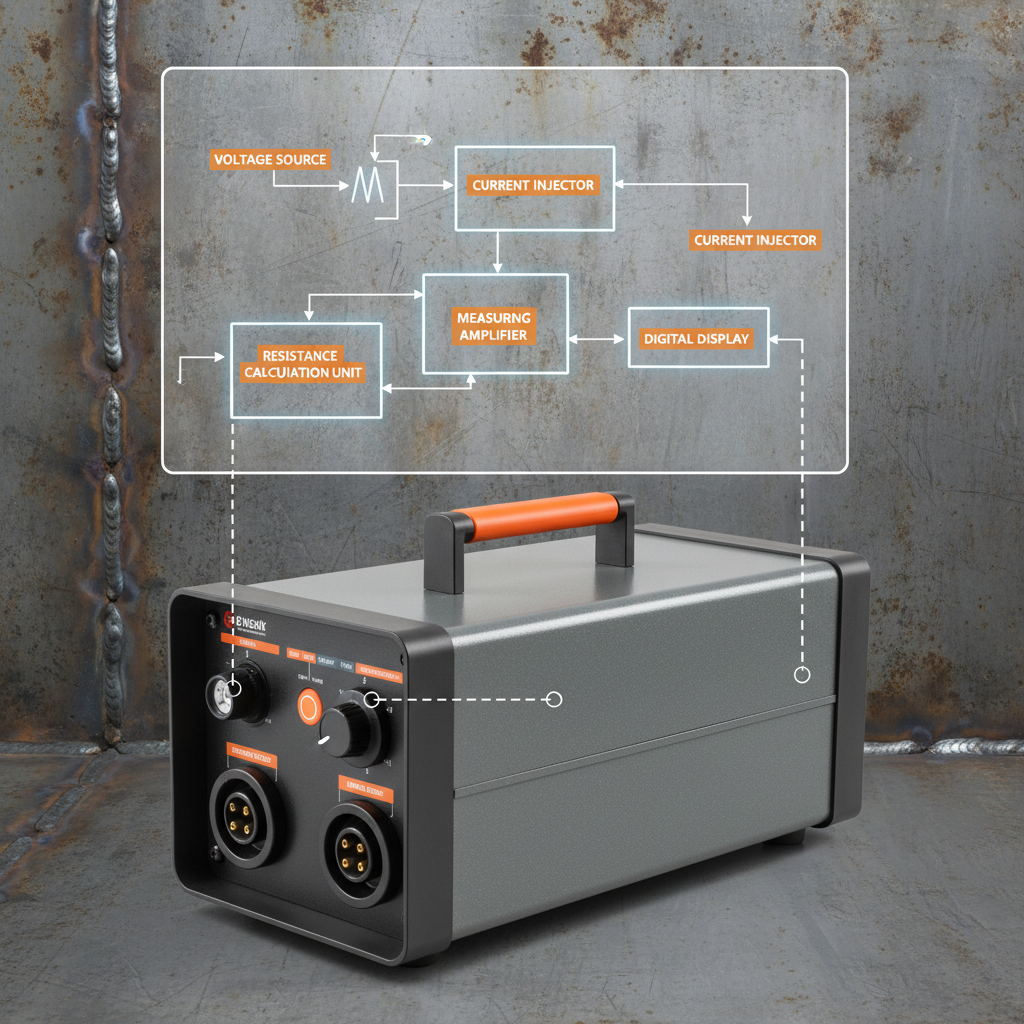 Comprehensive Guide to Loop Impedance Meter for Electrical SafetyEnsuring electrical safety is paramount in any installation, and a loop impedance meter is a crucial tool for achieving this. This device measures the total impedance of the earth fault loop, helping to verify that protective devices will operate correctly under fault conditions. In this article, we'll explore what a loop impedance meter is, how it works, its applications, factors influencing measurements, choosing the right meter, and the importance of regular testing. Investing in a quality meter from Push Tester is a step towards safer electrical systems.Iinkcukacha
 -
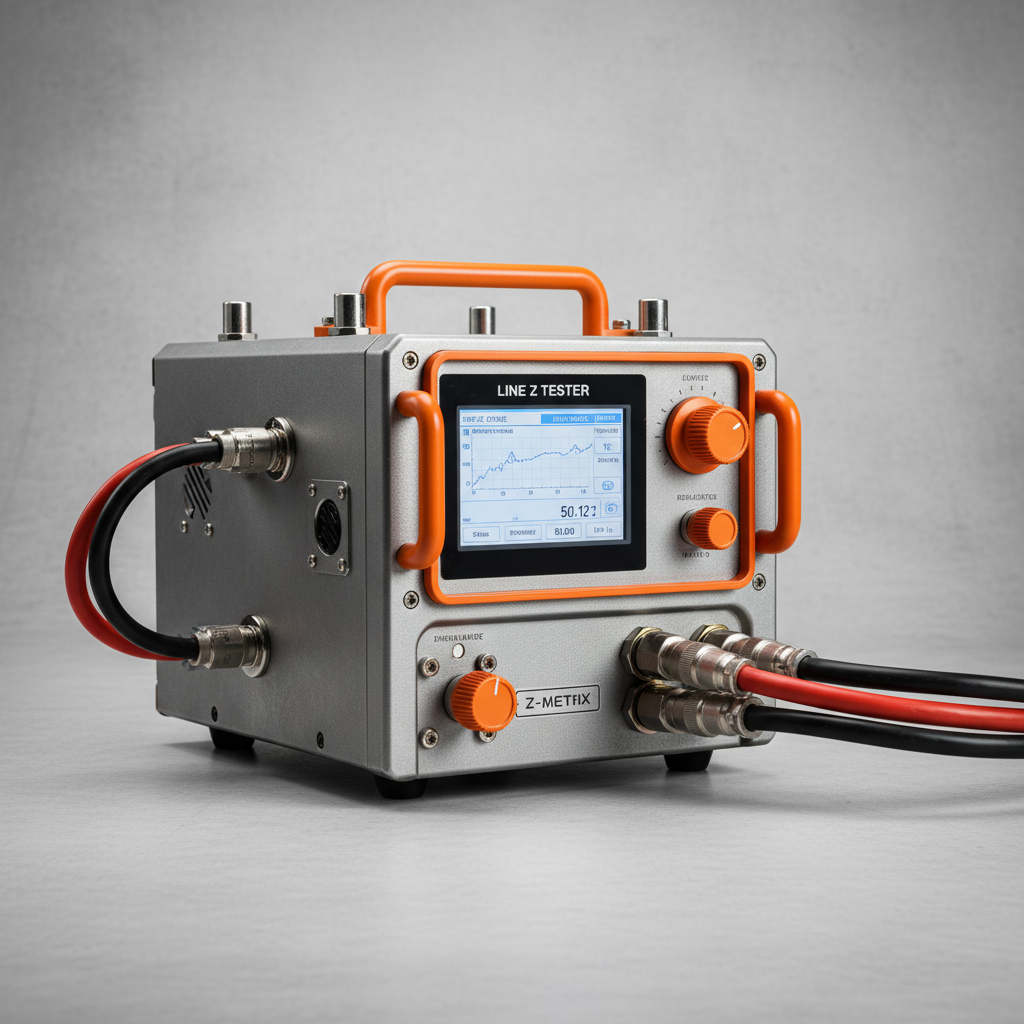 Understanding and Choosing a Line Impedance Tester for Optimal Network PerformanceIn the realm of telecommunications and electrical engineering, maintaining the integrity of transmission lines is paramount. A line impedance tester is a crucial instrument for ensuring optimal signal transmission and preventing costly network disruptions. This article delves into the world of line impedance testing, exploring its importance, applications, types of testers, and what to look for when making a purchase. Ensuring accurate impedance measurements is essential for efficient and reliable network performance. Choosing the right tester can significantly impact troubleshooting speed and the overall quality of your infrastructure. A line impedance tester, also known as a cable impedance analyzer, is a device used to measure the characteristic impedance of coaxial cables, twisted pair cables, and other transmission lines. Impedance, measured in ohms, represents the opposition to the flow of alternating current. Maintaining the correct impedance (typically 50 or 75 ohms) is vital for minimizing signal reflections, ensuring efficient power transfer, and preventing signal degradation. Mismatched impedance can lead to signal loss, ghosting, and reduced network performance. Regular testing helps identify faults and maintain network integrity.Iinkcukacha


