 英語
英語



-
 Afrikaans
 -
 Albanian
 -
 Amharic
 -
 Arabic
 -
 Armenian
 -
 Azerbaijani
 -
 Basque
 -
 Belarusian
 -
 Bengali
 -
 Bosnian
 -
 Bulgarian
 -
 Catalan
 -
 Cebuano
 -
 China
China -
 China (Taiwan)
 -
 Corsican
 -
 Croatian
 -
 Czech
Czech -
 Danish
 -
 Dutch
Dutch -
 English
 -
 Esperanto
 -
 Estonian
 -
 Finnish
 -
 French
 -
 Frisian
 -
 Galician
 -
 Georgian
 -
 German
 -
 Greek
Greek -
 Gujarati
 -
 Haitian Creole
 -
 hausa
hausa -
 hawaiian
 -
 Hebrew
 -
 Hindi
Hindi -
 Miao
Miao -
 Hungarian
 -
 Icelandic
 -
 igbo
igbo -
 Indonesian
 -
 irish
irish -
 Italian
 -
 Japanese
 -
 Javanese
 -
 Kannada
 -
 kazakh
 -
 Khmer
Khmer -
 Rwandese
 -
 Korean
 -
 Kurdish
 -
 Kyrgyz
 -
 Lao
Lao -
 Latin
Latin -
 Latvian
 -
 Lithuanian
 -
 Luxembourgish
 -
 Macedonian
 -
 Malgashi
 -
 Malay
Malay -
 Malayalam
 -
 Maltese
 -
 Maori
Maori -
 Marathi
 -
 Mongolian
 -
 Myanmar
 -
 Nepali
 -
 Norwegian
 -
 Norwegian
 -
 Occitan
 -
 Pashto
 -
 Persian
 -
 Polish
 -
 Portuguese
 -
 Punjabi
 -
 Romanian
 -
 Russian
 -
 Samoan
 -
 Scottish Gaelic
 -
 Serbian
 -
 Sesotho
 -
 Shona
Shona -
 Sindhi
 -
 Sinhala
 -
 Slovak
 -
 Slovenian
 -
 Somali
 -
 Spanish
 -
 Sundanese
 -
 Swahili
 -
 Swedish
 -
 Tagalog
 -
 Tajik
Tajik -
 Tamil
Tamil -
 Tatar
Tatar -
 Telugu
 -
 Thai
Thai -
 Turkish
 -
 Turkmen
 -
 Ukrainian
 -
 Urdu
Urdu -
 Uighur
 -
 Uzbek
Uzbek -
 Vietnamese
 -
 Welsh
Welsh -
 Bantu
Bantu -
 Yiddish
 -
 Yoruba
 -
 Zulu
Zulu
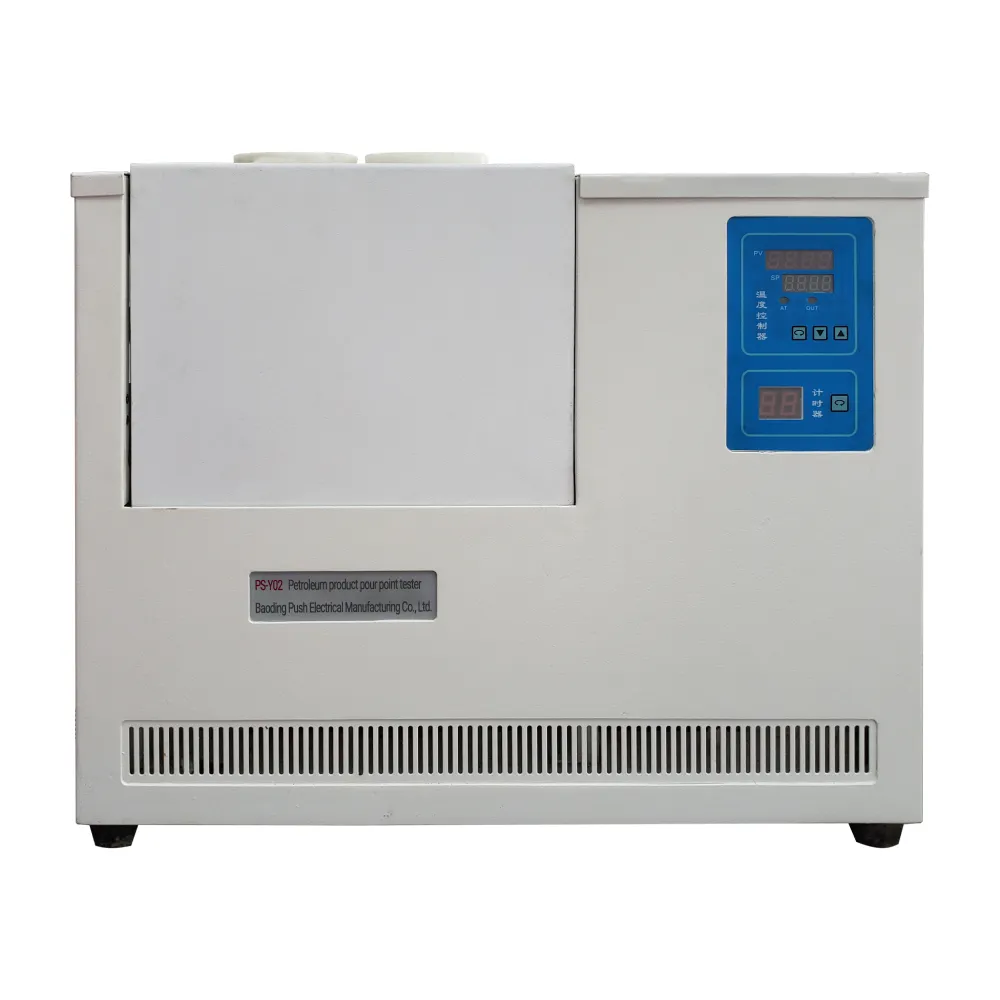
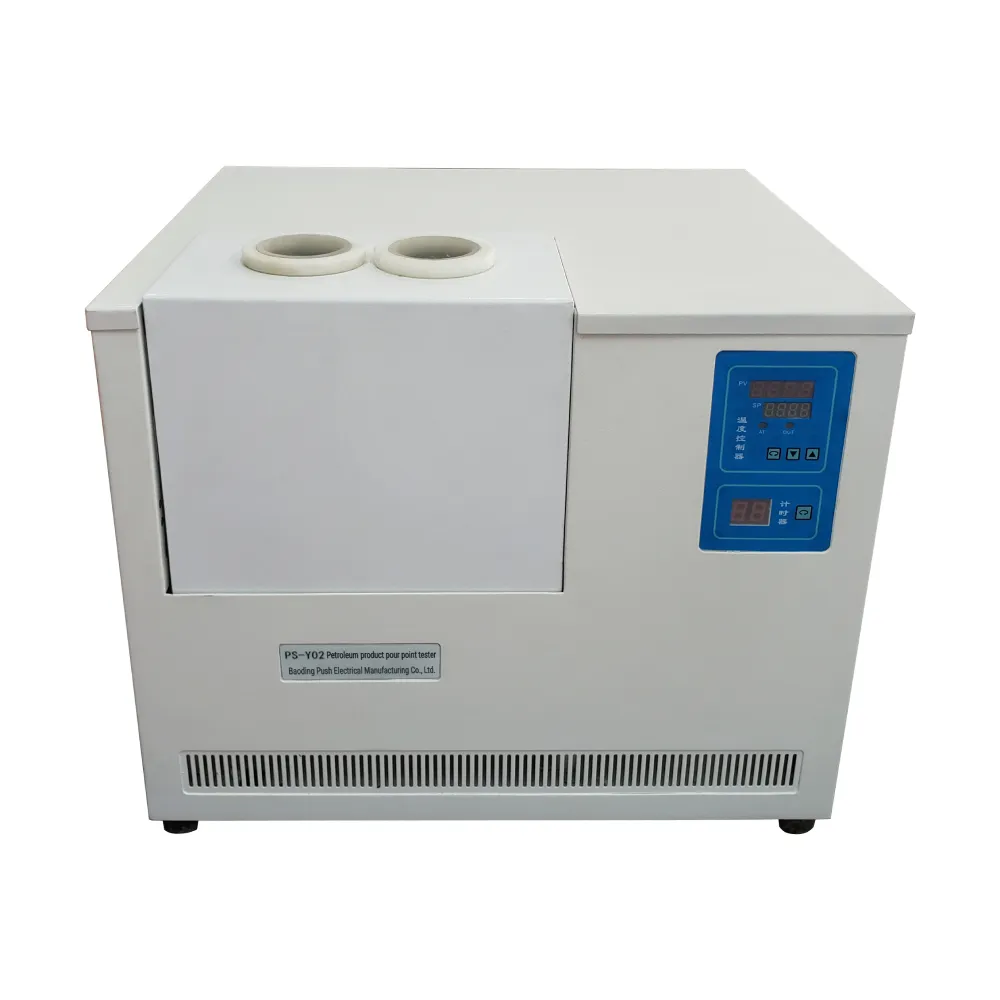
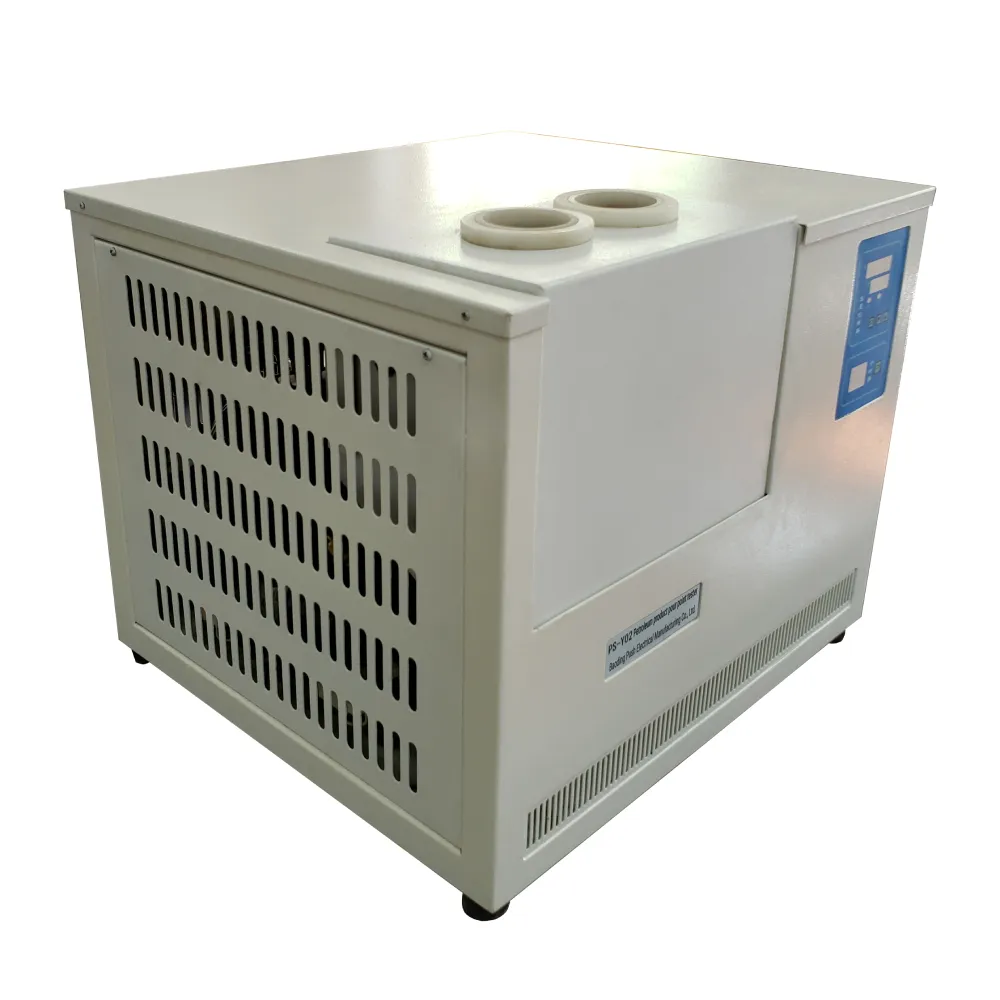
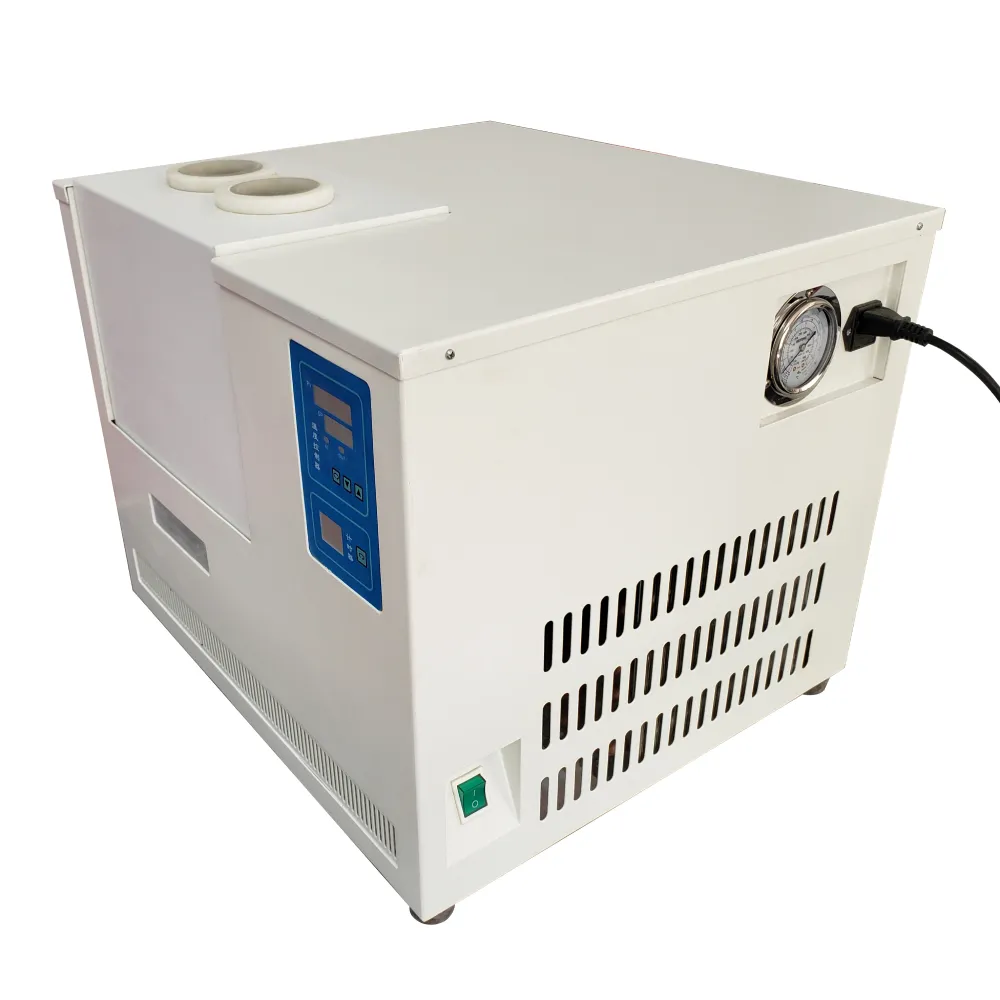
1. 統合設計、1 つのスロットに 2 つの穴。
2.輸入した全閉式コンプレッサーで構成された冷凍サイクルシステムと温度制御システム。
3. 冷却タンクは、アルコールを使用しない冷凍および冷却トラップの特許技術を採用しており、冷却速度が速く、耐用年数が長いという利点があります。
4.輸入されたPT100温度測定システムは、高い温度制御精度を備えています。
流動点試験機は、石油製品、特に潤滑油や燃料の流動点を測定するための特殊な機器です。流動点とは、特定の条件下で油が流動性を維持したり、ポンプで送り出したりできる最低温度のことです。このパラメータは、特に寒冷気候や温度変化が著しい用途において、油や燃料の低温性能を評価する上で非常に重要です。
潤滑油業界: 潤滑油の品質管理と性能評価に使用され、寒冷気候条件下でも最適な性能が確保されます。
燃料産業: ディーゼル、バイオディーゼル、その他の燃料の低温流動特性を評価し、寒冷環境での適切な動作を保証するために使用されます。
石油化学産業: ベースオイル、油圧作動油、ワックスなど、さまざまな石油ベースの製品の流動点を評価するために使用されます。
品質管理: 潤滑油と燃料が指定された基準と性能要件を満たしていることを確認し、低温特性の悪さによる動作上の問題を防止します。
製品開発: 特定の用途や気候に適した流動点特性を実現するために、オイルと燃料の配合を策定および最適化するのに役立ちます。
寒冷気候での運用: 低温流動特性が機器の性能と信頼性にとって重要な、寒冷地域や冬季に操業する産業に不可欠です。
研究とテスト: 研究機関や研究所では、添加剤、ベースオイルの種類、配合の変更が流動点特性に与える影響を研究するために使用され、高度な石油および燃料製品の開発に貢献しています。
流動点試験器は、オイルまたは燃料のサンプルを徐々に冷却し、その温度を監視することによって機能します。流動点温度では、オイルは凝固し始め、粘度が大幅に増加して流れが妨げられます。機器はこの温度を検出し、流動点を正確に測定します。この情報は、オペレーターとメーカーが特定の用途と環境条件に対するオイルと燃料の適合性を確認するのに役立ち、機器のパフォーマンス、信頼性、安全性を向上させます。
|
コンプレッサー |
輸入空冷式全閉 |
|
測定範囲 |
20℃〜-70℃ |
|
温度制御精度 |
±0.5℃ |
|
冷却時間 |
<60分 |
|
正確さ |
0.1℃ |
|
電源電圧 |
AC220V±10% |
|
電力周波数 |
50Hz±2% |
|
力 |
≤35W |
|
周囲温度 |
10〜40℃ |
|
周囲の湿度 |
85%未満 |
|
幅*高さ*奥行き |
530mm×440mm×460mm |
|
正味重量 |
65kg |
automatic cloud and pour point analyzer
automatic pour point analyzer
cloud and pour point tester
cloud point analyzer
cloud point tester
pour point analyzer
pour point test equipment
pour point tester
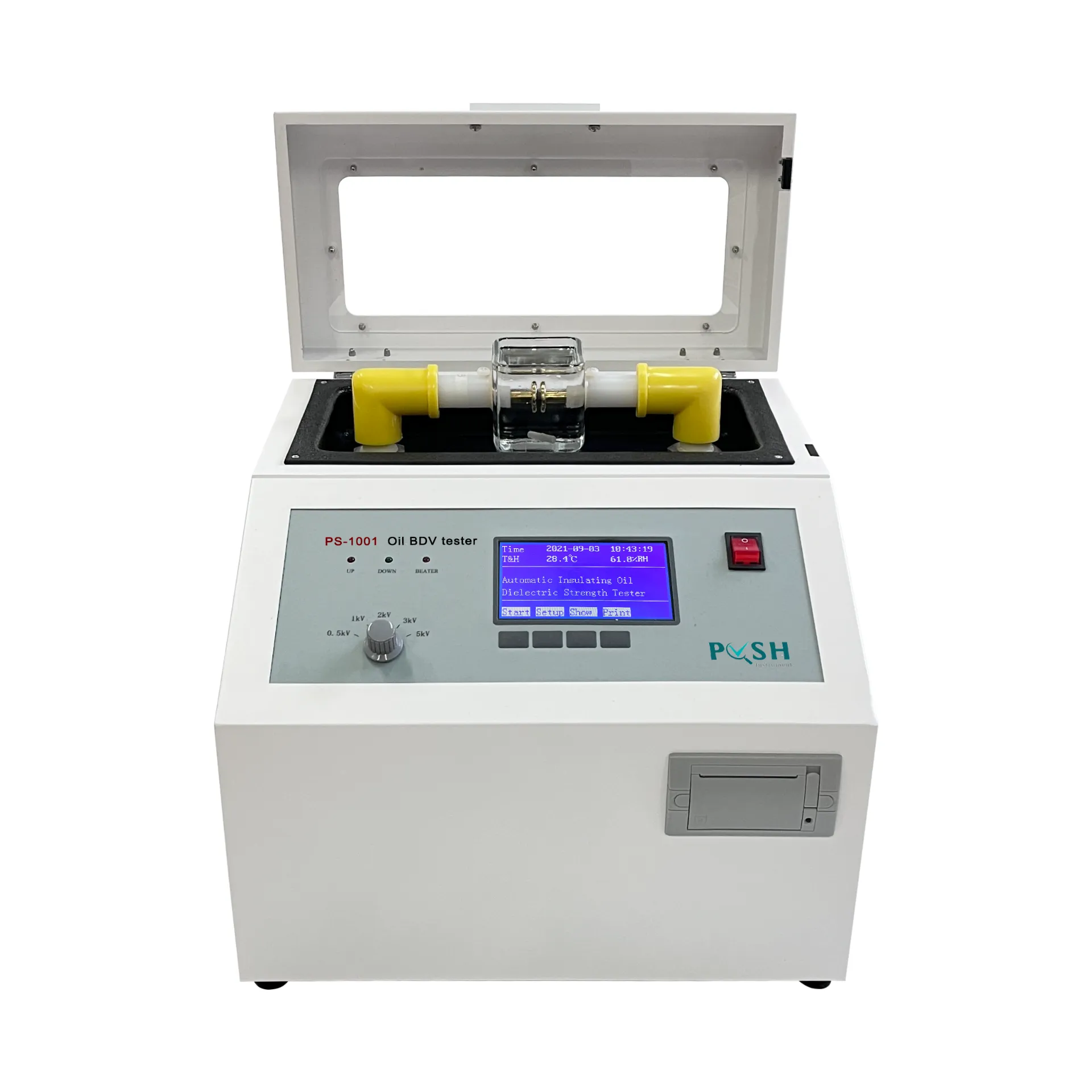
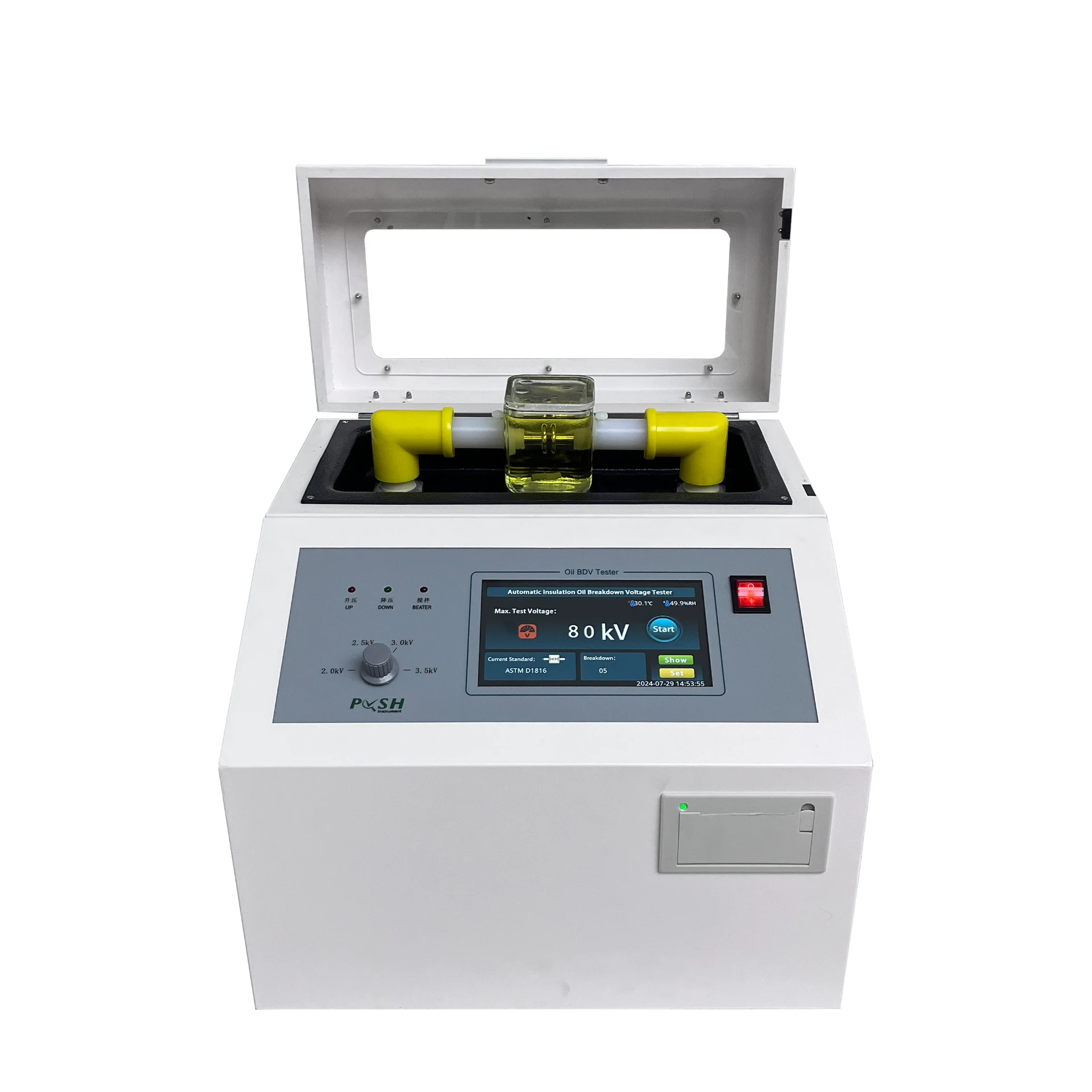
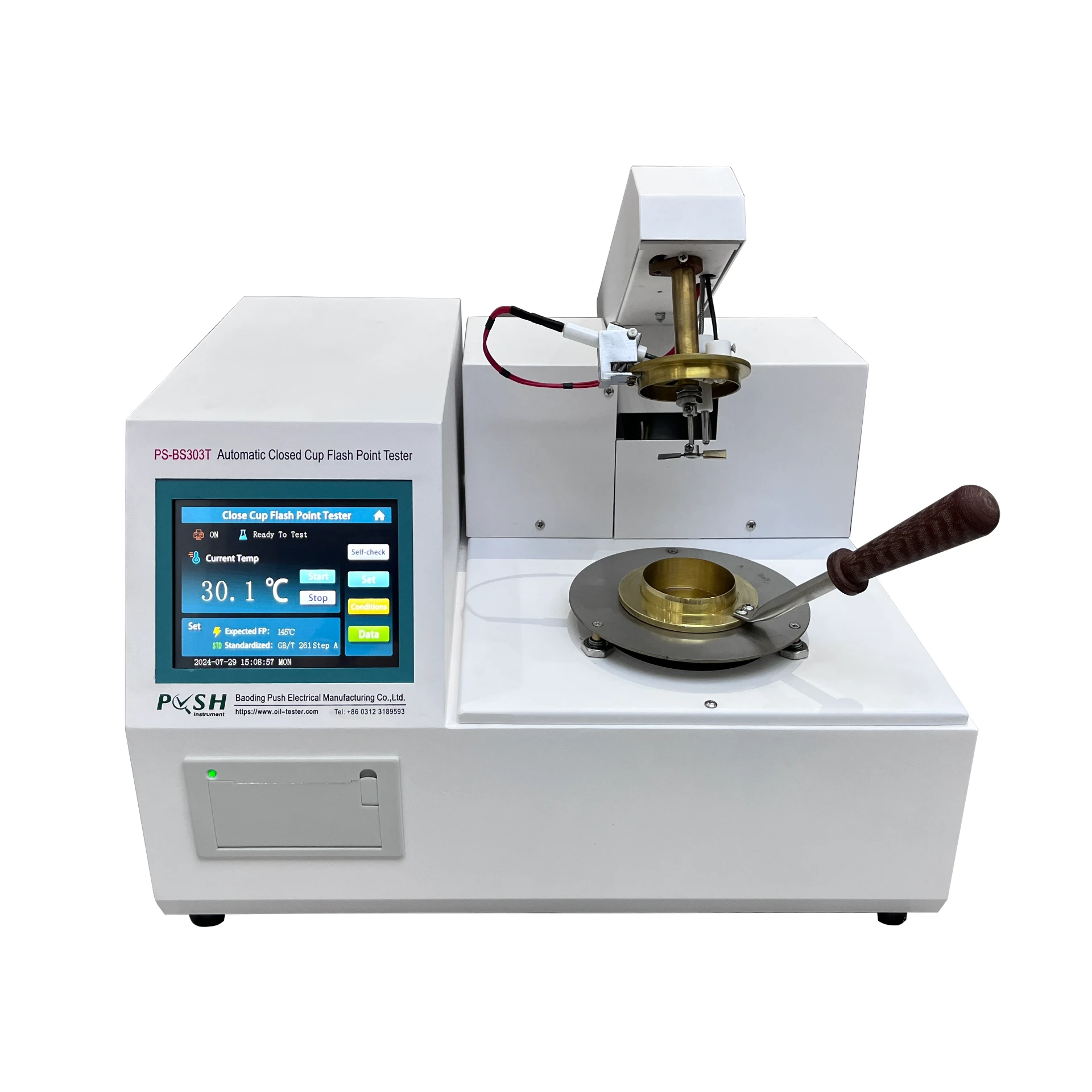
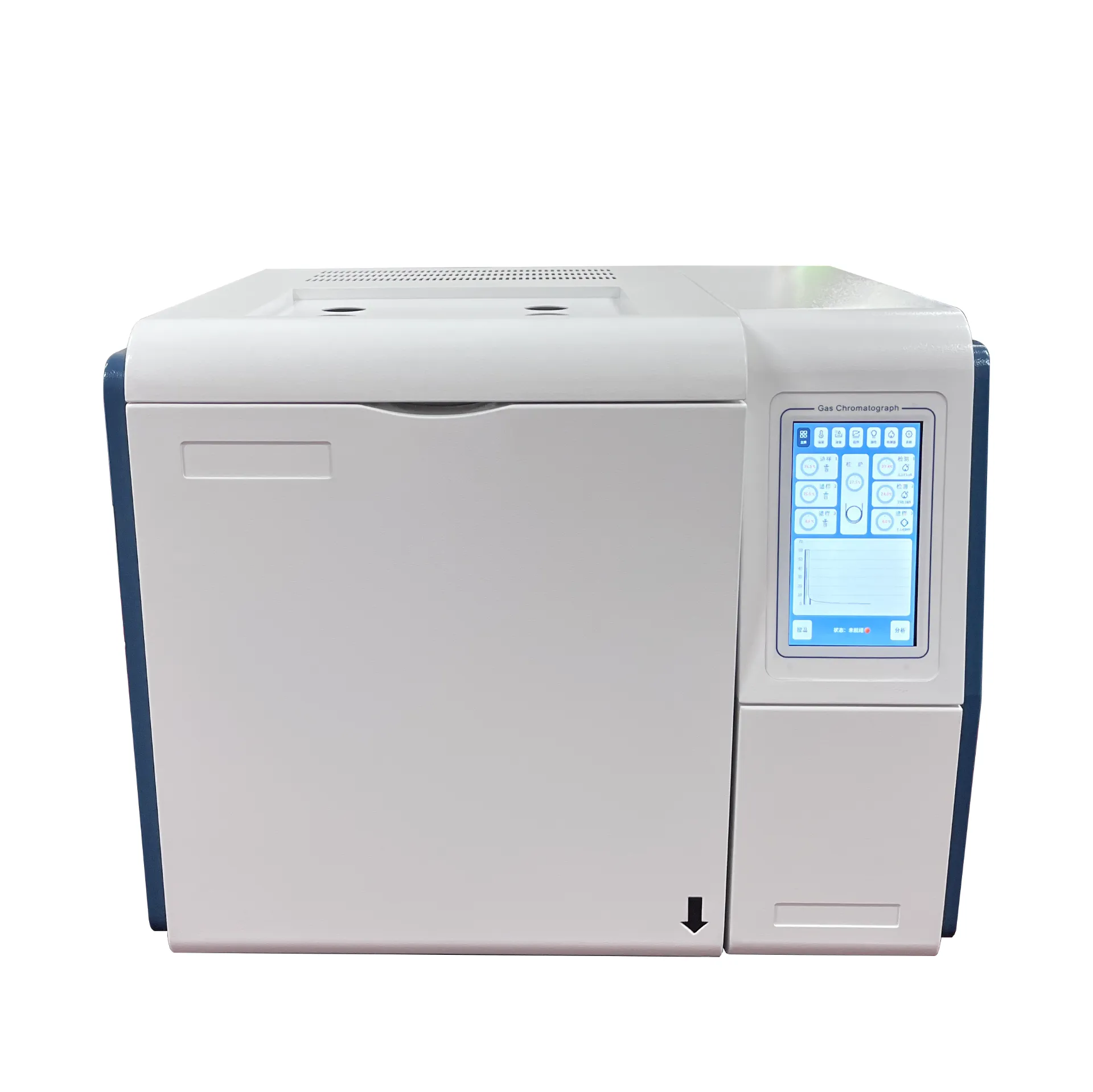
-
 Find the Best Loop Impedance Tester for Sale and Ensure Electrical SafetyWhen ensuring electrical safety, accurate loop impedance testing is crucial. Whether you’re an electrician, a facilities manager, or a safety inspector, having a reliable loop impedance tester for sale is essential. This article will guide you through the key considerations when purchasing a loop impedance tester, explore the different types available, and highlight the benefits of choosing a high-quality instrument. Understanding the nuances of these testers will help you make an informed decision and ensure compliance with safety regulations.詳細
 -
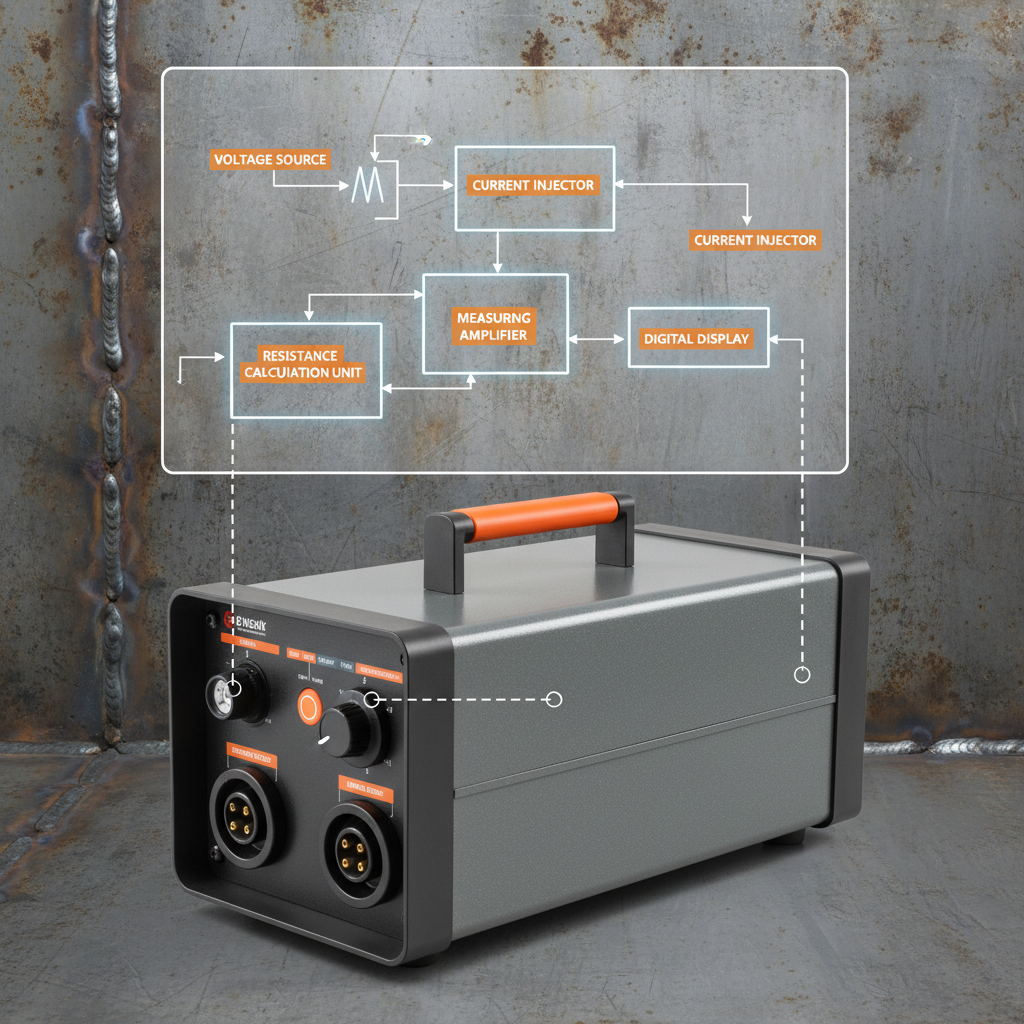 Comprehensive Guide to Loop Impedance Meter for Electrical SafetyEnsuring electrical safety is paramount in any installation, and a loop impedance meter is a crucial tool for achieving this. This device measures the total impedance of the earth fault loop, helping to verify that protective devices will operate correctly under fault conditions. In this article, we'll explore what a loop impedance meter is, how it works, its applications, factors influencing measurements, choosing the right meter, and the importance of regular testing. Investing in a quality meter from Push Tester is a step towards safer electrical systems.詳細
 -
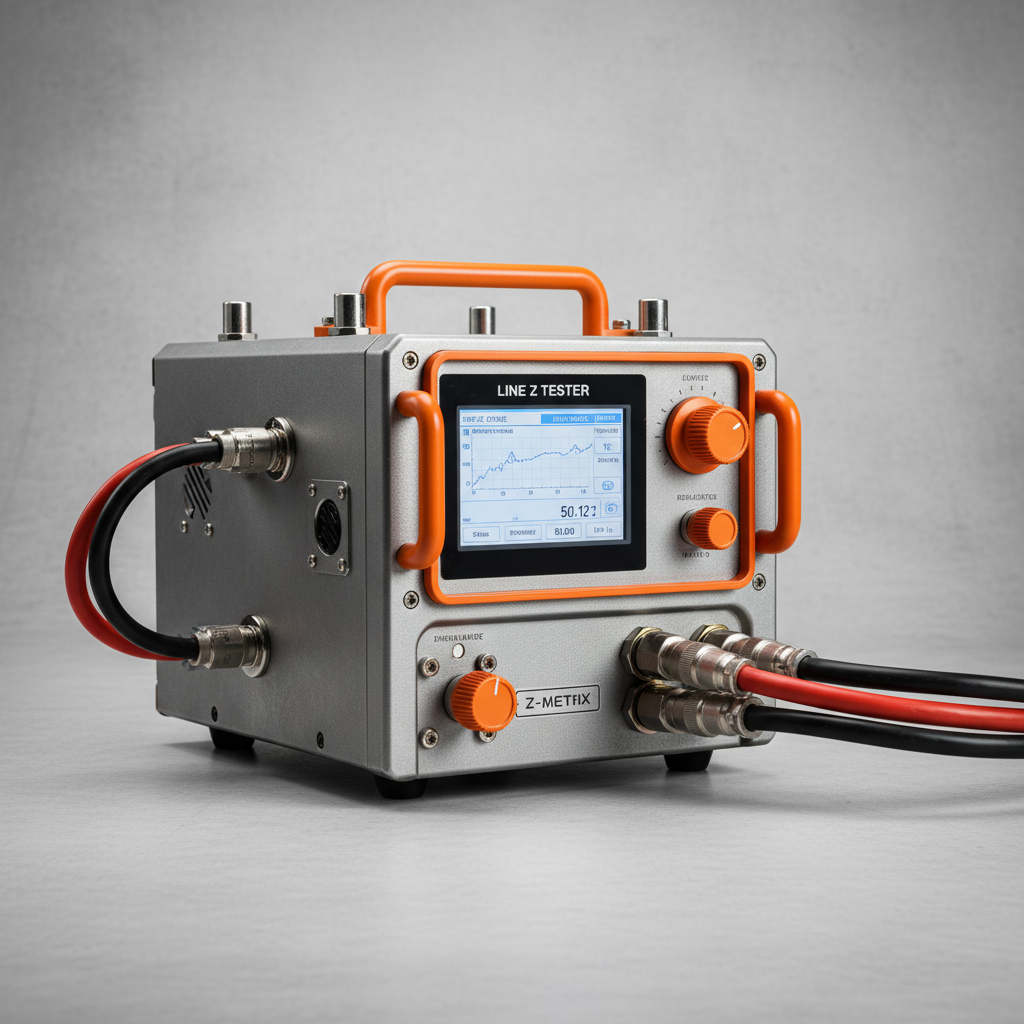 Understanding and Choosing a Line Impedance Tester for Optimal Network PerformanceIn the realm of telecommunications and electrical engineering, maintaining the integrity of transmission lines is paramount. A line impedance tester is a crucial instrument for ensuring optimal signal transmission and preventing costly network disruptions. This article delves into the world of line impedance testing, exploring its importance, applications, types of testers, and what to look for when making a purchase. Ensuring accurate impedance measurements is essential for efficient and reliable network performance. Choosing the right tester can significantly impact troubleshooting speed and the overall quality of your infrastructure. A line impedance tester, also known as a cable impedance analyzer, is a device used to measure the characteristic impedance of coaxial cables, twisted pair cables, and other transmission lines. Impedance, measured in ohms, represents the opposition to the flow of alternating current. Maintaining the correct impedance (typically 50 or 75 ohms) is vital for minimizing signal reflections, ensuring efficient power transfer, and preventing signal degradation. Mismatched impedance can lead to signal loss, ghosting, and reduced network performance. Regular testing helps identify faults and maintain network integrity.詳細


