 英語
英語



-
 Afrikaans
 -
 Albanian
 -
 Amharic
 -
 Arabic
 -
 Armenian
 -
 Azerbaijani
 -
 Basque
 -
 Belarusian
 -
 Bengali
 -
 Bosnian
 -
 Bulgarian
 -
 Catalan
 -
 Cebuano
 -
 China
China -
 China (Taiwan)
 -
 Corsican
 -
 Croatian
 -
 Czech
Czech -
 Danish
 -
 Dutch
Dutch -
 English
 -
 Esperanto
 -
 Estonian
 -
 Finnish
 -
 French
 -
 Frisian
 -
 Galician
 -
 Georgian
 -
 German
 -
 Greek
Greek -
 Gujarati
 -
 Haitian Creole
 -
 hausa
hausa -
 hawaiian
 -
 Hebrew
 -
 Hindi
Hindi -
 Miao
Miao -
 Hungarian
 -
 Icelandic
 -
 igbo
igbo -
 Indonesian
 -
 irish
irish -
 Italian
 -
 Japanese
 -
 Javanese
 -
 Kannada
 -
 kazakh
 -
 Khmer
Khmer -
 Rwandese
 -
 Korean
 -
 Kurdish
 -
 Kyrgyz
 -
 Lao
Lao -
 Latin
Latin -
 Latvian
 -
 Lithuanian
 -
 Luxembourgish
 -
 Macedonian
 -
 Malgashi
 -
 Malay
Malay -
 Malayalam
 -
 Maltese
 -
 Maori
Maori -
 Marathi
 -
 Mongolian
 -
 Myanmar
 -
 Nepali
 -
 Norwegian
 -
 Norwegian
 -
 Occitan
 -
 Pashto
 -
 Persian
 -
 Polish
 -
 Portuguese
 -
 Punjabi
 -
 Romanian
 -
 Russian
 -
 Samoan
 -
 Scottish Gaelic
 -
 Serbian
 -
 Sesotho
 -
 Shona
Shona -
 Sindhi
 -
 Sinhala
 -
 Slovak
 -
 Slovenian
 -
 Somali
 -
 Spanish
 -
 Sundanese
 -
 Swahili
 -
 Swedish
 -
 Tagalog
 -
 Tajik
Tajik -
 Tamil
Tamil -
 Tatar
Tatar -
 Telugu
 -
 Thai
Thai -
 Turkish
 -
 Turkmen
 -
 Ukrainian
 -
 Urdu
Urdu -
 Uighur
 -
 Uzbek
Uzbek -
 Vietnamese
 -
 Welsh
Welsh -
 Bantu
Bantu -
 Yiddish
 -
 Yoruba
 -
 Zulu
Zulu
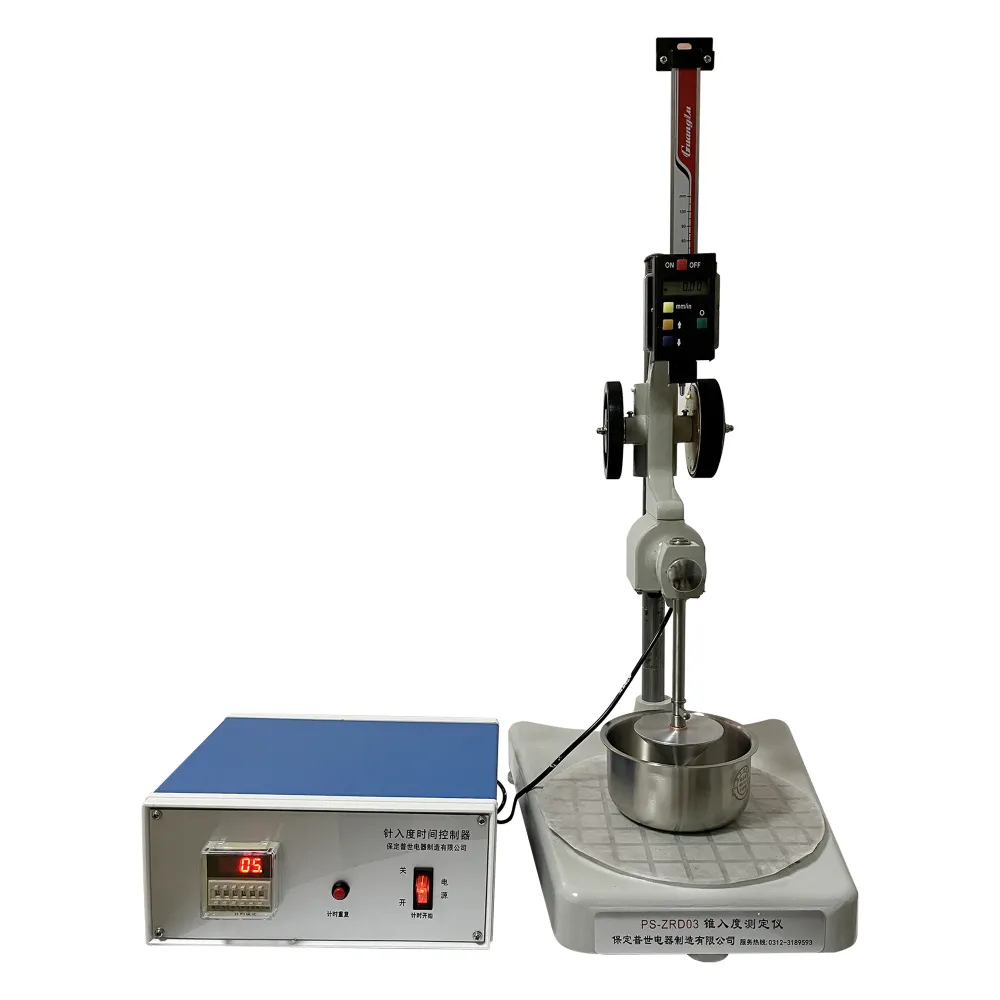
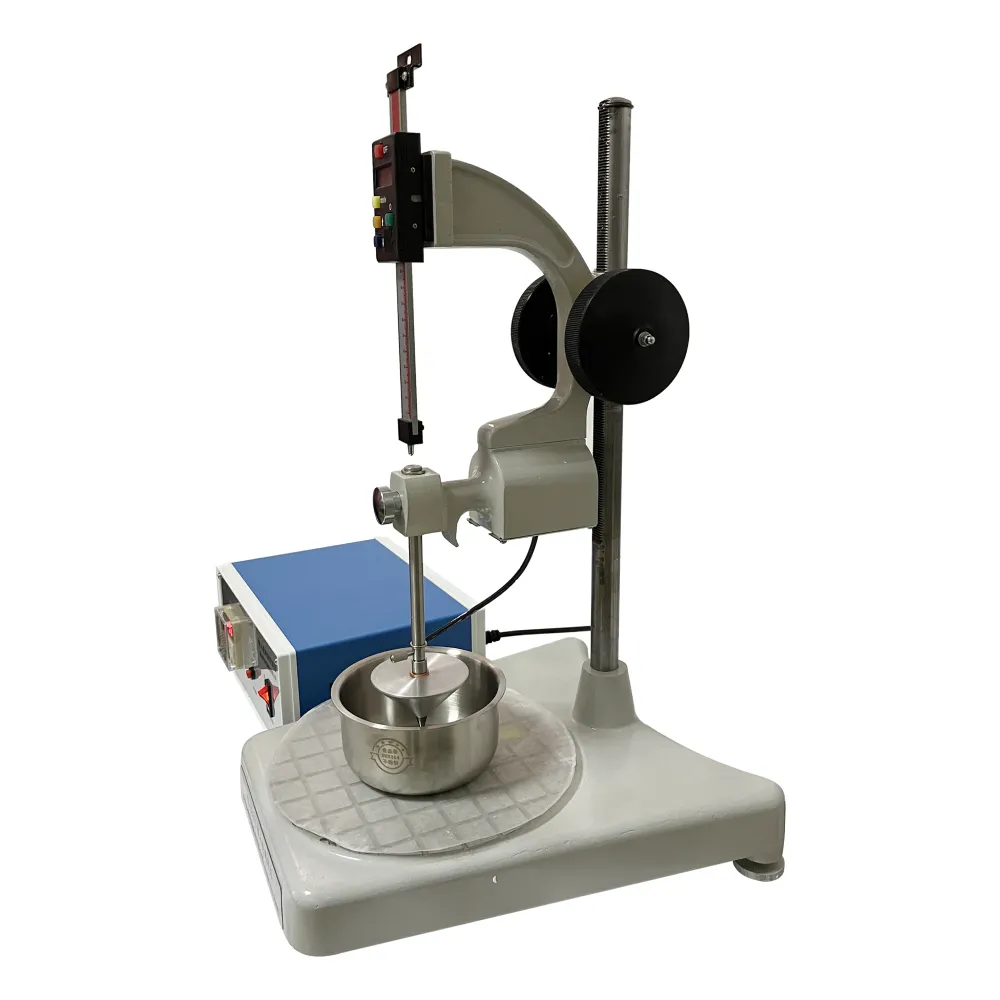
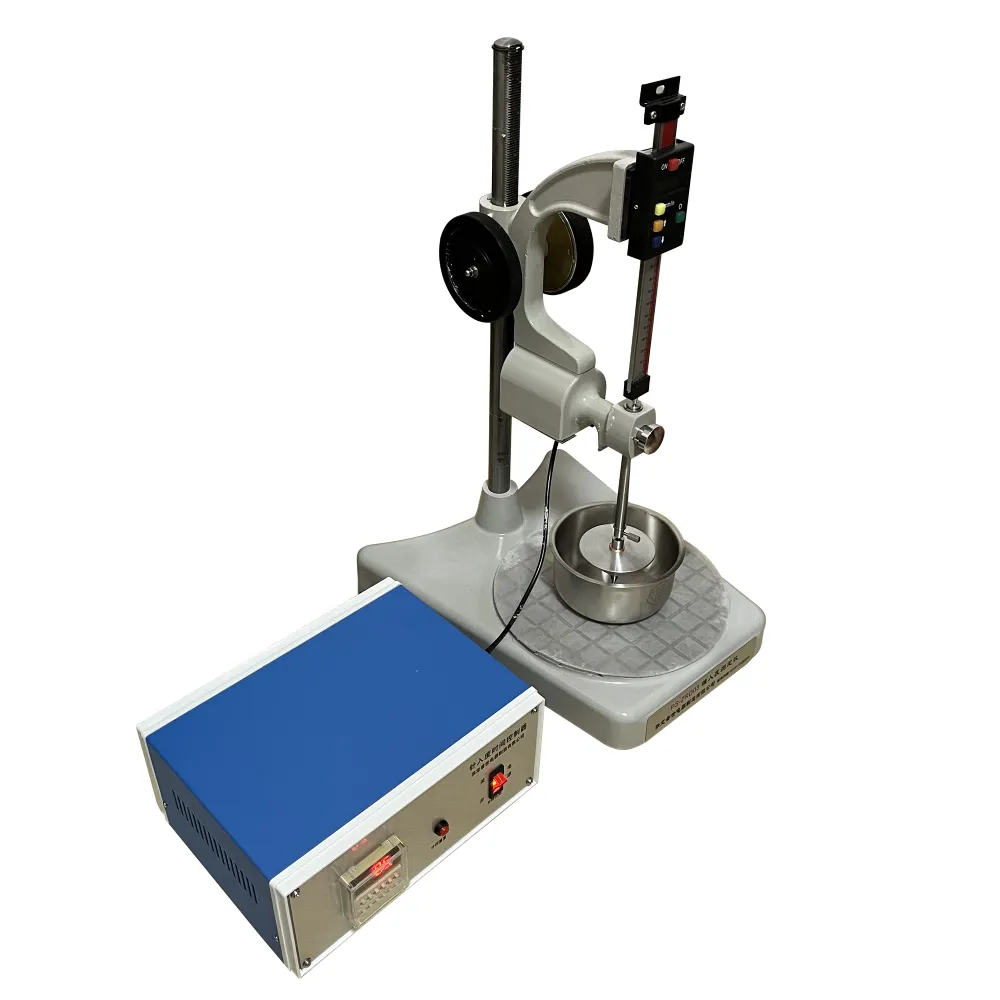
- 潤滑グリース用コーン貫入試験機はグリースコーン貫入計とも呼ばれ、標準化された条件下で潤滑グリースの粘稠度または貫入深さを測定するための特殊な機器です。グリースの硬さや柔らかさを評価します。これは、さまざまな用途への適合性を判定し、機械や装置の最適なパフォーマンスを確保するために重要です。
- 品質管理: 潤滑油メーカーや品質管理研究所が潤滑グリースの一貫性と性能を評価し、業界の標準と仕様に準拠していることを確認するために使用します。
- 製品開発: 特定の用途や動作条件に適した粘稠度、粘度、浸透特性を備えた潤滑グリースの配合と開発を支援します。
- - 機械メンテナンス: メンテナンス技術者やエンジニアが機械や装置の潤滑グリースの状態を監視し、劣化や汚染を示す可能性のある粘度の変化を検出するために使用します。
- グリースの選択: 浸透特性や温度、負荷、速度などの動作要件に基づいて、適切なグレードまたはタイプの潤滑グリースを選択できるようにします。
- 機器の潤滑: 塗布されたグリースの適切な粘稠度を確保して最適なパフォーマンスと耐久性を実現し、ベアリング、ギア、シールなどの機械部品の適切な潤滑をガイドします。
- - 性能評価: 機械システムの摩擦、摩耗、腐食を軽減する潤滑グリースの有効性を評価し、機器の耐用年数を延ばし、ダウンタイムを最小限に抑えます。
潤滑グリース用のコーン貫入試験機は、較正済みのロッドまたはシャフトに取り付けられた標準化された円錐形の貫入計プローブで構成されています。プローブは、制御された速度で潤滑グリースのサンプルに垂直に打ち込まれ、貫入の深さが測定され、記録されます。貫入深さはグリースの粘稠度または硬さを示し、柔らかいグリースは貫入深さが大きく、硬いグリースは貫入深さが低くなります。試験結果から、変形に対する耐性、せん断安定性、構造的完全性など、潤滑グリースのレオロジー特性に関する貴重な情報が得られます。これにより、潤滑剤メーカー、ユーザー、メンテナンス担当者は、潤滑された機械や装置の最適なパフォーマンスと信頼性を確保できます。
|
貫通表示 |
LCDデジタルディスプレイ、精度0.01mm (0.1コーン貫入) |
|
最大測深深度 |
620以上のコーン貫入 |
|
タイマー設定ペンチ |
0~99秒±0.1秒 |
|
機器電源 |
220V±22V、50Hz±1Hz |
|
コーン貫通ディスプレイバッテリー |
LR44Hボタン電池 |
grease penetrometer
grease tester
oil penetration tester
-
 Find the Best Loop Impedance Tester for Sale and Ensure Electrical SafetyWhen ensuring electrical safety, accurate loop impedance testing is crucial. Whether you’re an electrician, a facilities manager, or a safety inspector, having a reliable loop impedance tester for sale is essential. This article will guide you through the key considerations when purchasing a loop impedance tester, explore the different types available, and highlight the benefits of choosing a high-quality instrument. Understanding the nuances of these testers will help you make an informed decision and ensure compliance with safety regulations.詳細
 -
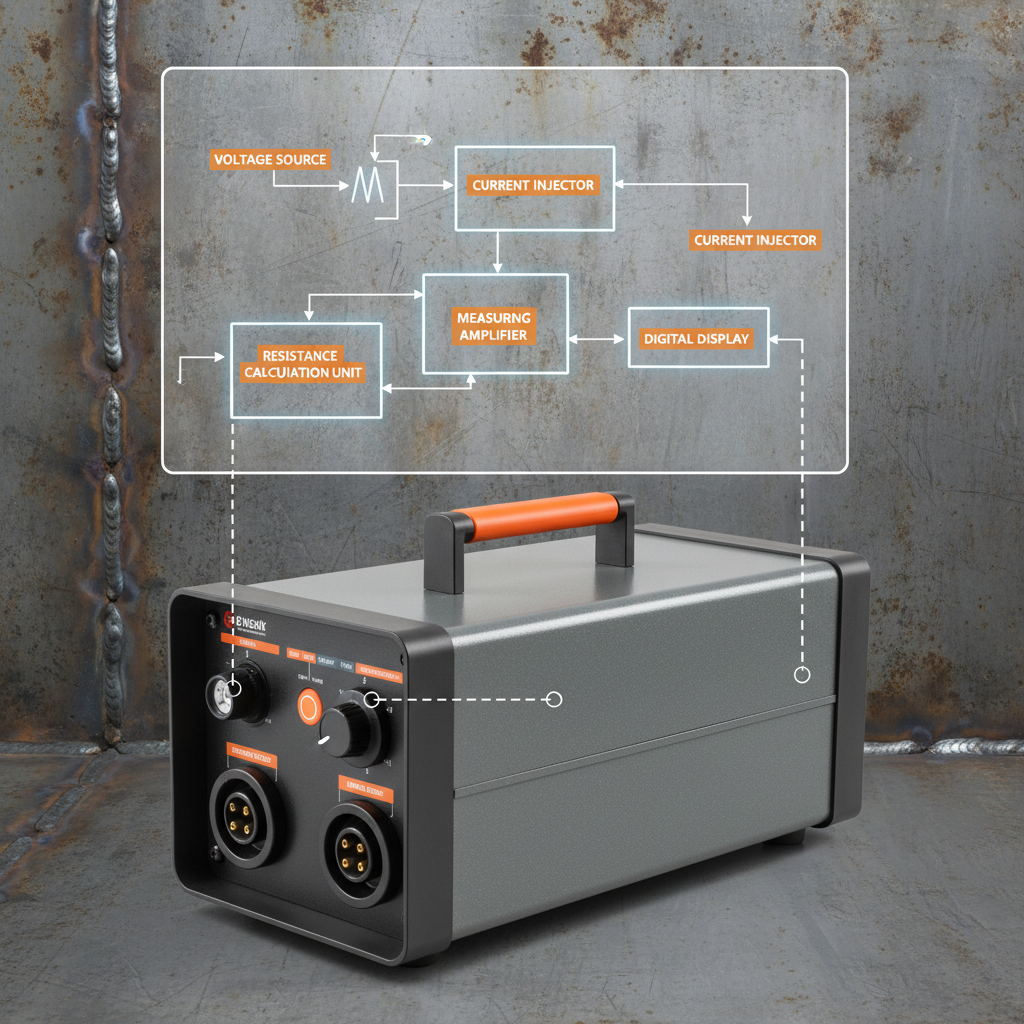 Comprehensive Guide to Loop Impedance Meter for Electrical SafetyEnsuring electrical safety is paramount in any installation, and a loop impedance meter is a crucial tool for achieving this. This device measures the total impedance of the earth fault loop, helping to verify that protective devices will operate correctly under fault conditions. In this article, we'll explore what a loop impedance meter is, how it works, its applications, factors influencing measurements, choosing the right meter, and the importance of regular testing. Investing in a quality meter from Push Tester is a step towards safer electrical systems.詳細
 -
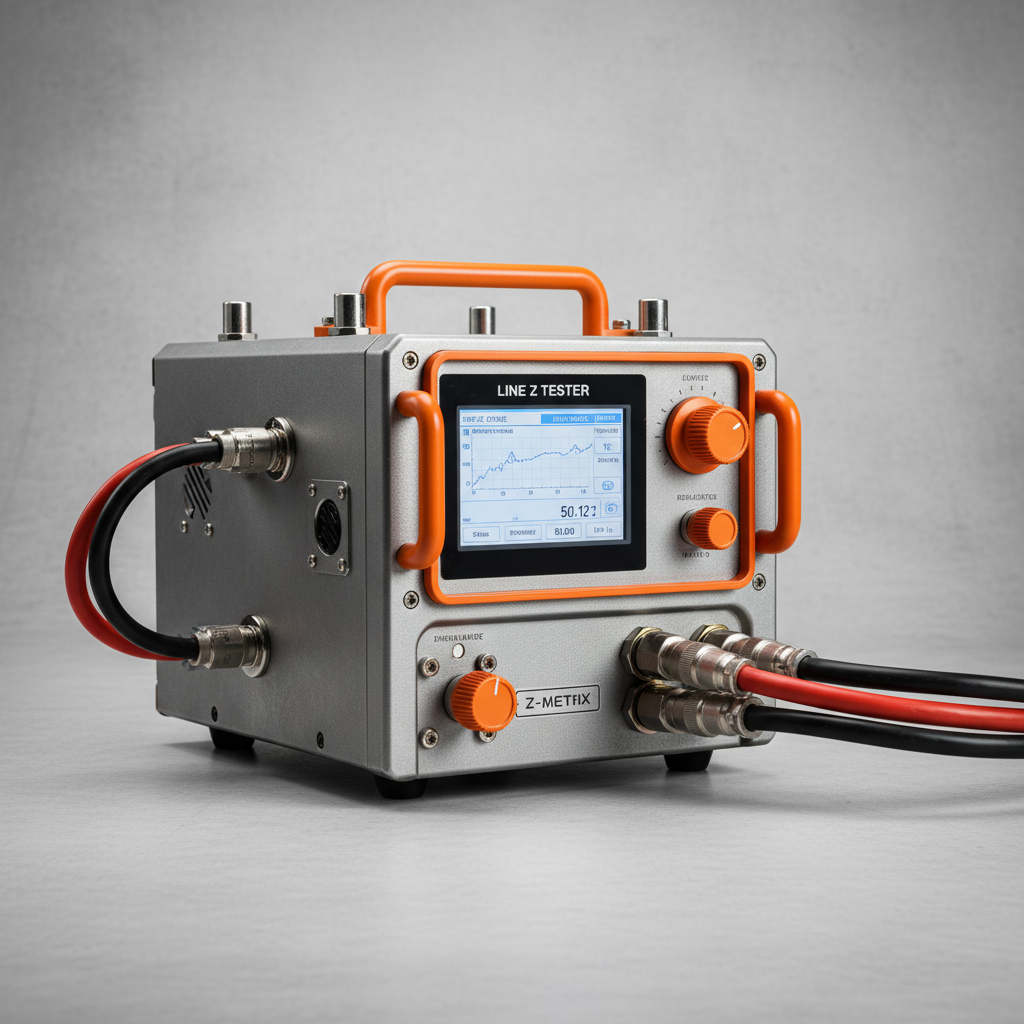 Understanding and Choosing a Line Impedance Tester for Optimal Network PerformanceIn the realm of telecommunications and electrical engineering, maintaining the integrity of transmission lines is paramount. A line impedance tester is a crucial instrument for ensuring optimal signal transmission and preventing costly network disruptions. This article delves into the world of line impedance testing, exploring its importance, applications, types of testers, and what to look for when making a purchase. Ensuring accurate impedance measurements is essential for efficient and reliable network performance. Choosing the right tester can significantly impact troubleshooting speed and the overall quality of your infrastructure. A line impedance tester, also known as a cable impedance analyzer, is a device used to measure the characteristic impedance of coaxial cables, twisted pair cables, and other transmission lines. Impedance, measured in ohms, represents the opposition to the flow of alternating current. Maintaining the correct impedance (typically 50 or 75 ohms) is vital for minimizing signal reflections, ensuring efficient power transfer, and preventing signal degradation. Mismatched impedance can lead to signal loss, ghosting, and reduced network performance. Regular testing helps identify faults and maintain network integrity.詳細


