 Engleză



-
 Afrikaans
 -
 Albanian
 -
 Amharic
 -
 Arabic
 -
 Armenian
 -
 Azerbaijani
 -
 Basque
 -
 Belarusian
 -
 Bengali
 -
 Bosnian
 -
 Bulgarian
 -
 Catalan
 -
 Cebuano
 -
 China
China -
 China (Taiwan)
 -
 Corsican
 -
 Croatian
 -
 Czech
Czech -
 Danish
 -
 Dutch
Dutch -
 English
 -
 Esperanto
 -
 Estonian
 -
 Finnish
 -
 French
 -
 Frisian
 -
 Galician
 -
 Georgian
 -
 German
 -
 Greek
Greek -
 Gujarati
 -
 Haitian Creole
 -
 hausa
hausa -
 hawaiian
 -
 Hebrew
 -
 Hindi
Hindi -
 Miao
Miao -
 Hungarian
 -
 Icelandic
 -
 igbo
igbo -
 Indonesian
 -
 irish
irish -
 Italian
 -
 Japanese
 -
 Javanese
 -
 Kannada
 -
 kazakh
 -
 Khmer
Khmer -
 Rwandese
 -
 Korean
 -
 Kurdish
 -
 Kyrgyz
 -
 Lao
Lao -
 Latin
Latin -
 Latvian
 -
 Lithuanian
 -
 Luxembourgish
 -
 Macedonian
 -
 Malgashi
 -
 Malay
Malay -
 Malayalam
 -
 Maltese
 -
 Maori
Maori -
 Marathi
 -
 Mongolian
 -
 Myanmar
 -
 Nepali
 -
 Norwegian
 -
 Norwegian
 -
 Occitan
 -
 Pashto
 -
 Persian
 -
 Polish
 -
 Portuguese
 -
 Punjabi
 -
 Romanian
 -
 Russian
 -
 Samoan
 -
 Scottish Gaelic
 -
 Serbian
 -
 Sesotho
 -
 Shona
Shona -
 Sindhi
 -
 Sinhala
 -
 Slovak
 -
 Slovenian
 -
 Somali
 -
 Spanish
 -
 Sundanese
 -
 Swahili
 -
 Swedish
 -
 Tagalog
 -
 Tajik
Tajik -
 Tamil
Tamil -
 Tatar
Tatar -
 Telugu
 -
 Thai
Thai -
 Turkish
 -
 Turkmen
 -
 Ukrainian
 -
 Urdu
Urdu -
 Uighur
 -
 Uzbek
Uzbek -
 Vietnamese
 -
 Welsh
Welsh -
 Bantu
Bantu -
 Yiddish
 -
 Yoruba
 -
 Zulu
Zulu
Guide to Oil Test Equipment
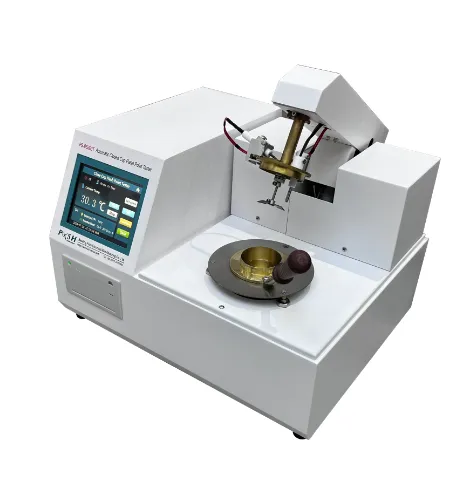
Oil test equipment plays a crucial role in evaluating the quality and safety of oils used in various industries. Transformer oil, lubrication oils, and hydraulic oils need regular testing to ensure they meet operational and safety standards. This guide explores the significance of oil testing, the types of oil test equipment, and key considerations for selecting the right tools for transformer oil testing and oil analysis.
Why is Oil Testing Important?
Oil testing ensures optimal performance, longevity, and safety of equipment that relies on oils for insulation, lubrication, or cooling. Common applications include:
- Transformers: Ensuring dielectric strength and detecting impurities in transformer oils.
- Engines and Machinery: Monitoring contamination levels in lubrication and hydraulic oils.
- Industrial Systems: Identifying potential issues before equipment failure.
Types of Oil Test Equipment
There are several categories of oil analysis equipment, each designed for specific tests and parameters:
1. Dielectric Breakdown Testers
- Purpose: Measure the electrical insulating properties of transformer oil.
- Applications: Widely used in power distribution and transformer maintenance.
2. Viscosity Testers
- Purpose: Determine the flow characteristics of oils under varying temperatures.
- Applications: Essential for engine and industrial lubrication analysis.
3. Moisture Content Analyzers
- Purpose: Detect water contamination in oil.
- Applications: Critical for transformer oils and hydraulic systems.
4. Gas Chromatographs
- Purpose: Analyze dissolved gases in transformer oils, identifying potential faults.
- Applications: Predictive maintenance for transformers.
5. Particle Counters
- Purpose: Quantify particulate contamination in oil.
- Applications: Used in hydraulic and lubrication oil analysis.
6. Flash Point Testers
- Purpose: Assess the flammability of oils by determining their flash point.
- Applications: Ensures safety in industrial operations.
7. Spectrometers
- Purpose: Analyze metal content in oil, indicating wear in machinery.
- Applications: Condition monitoring in automotive and industrial equipment.
Transformer Oil Testing: Key Parameters
Testing transformer oil is critical for maintaining electrical system reliability. Common parameters include:
Dielectric Strength
- Measures the oil's ability to withstand electrical stress without breaking down.
Moisture Content
- Water contamination reduces insulating properties and accelerates degradation.
Acidity
- Indicates oil oxidation, which can corrode transformer components.
Dissolved Gas Analysis (DGA)
- Detects gases produced by thermal or electrical faults within the transformer.
Interfacial Tension (IFT)
- Evaluates the aging process of the oil.
Color and Appearance
- Identifies contamination and oil degradation visually.
Benefits of Regular Oil Testing
Enhanced Equipment Reliability
- Prevents unexpected breakdowns by identifying issues early.
Cost Savings
- Reduces maintenance costs by avoiding major repairs and downtime.
Safety Assurance
- Mitigates risks of equipment failure and potential hazards.
Regulatory Compliance
- Ensures adherence to industry standards and operational guidelines.
How to Choose the Right Oil Test Equipment
When selecting oil test equipment, consider the following factors:
Testing Requirements
- Identify the specific parameters you need to measure, such as dielectric strength, viscosity, or moisture content.
Accuracy and Reliability
- Ensure the equipment provides precise results suitable for critical applications.
Portability
- Choose portable models for field testing and fixed units for lab use.
Ease of Use
- Opt for intuitive interfaces and automated features to simplify testing.
Budget and Support
- Balance cost with manufacturer support, including warranties and training.
Oil Test Equipment Pricing
|
Equipment Type |
Price Range |
|
Dielectric Breakdown Testers |
$2,000–$10,000+ |
|
Viscosity Testers |
$500–$5,000 |
|
Moisture Content Analyzers |
$1,000–$7,000 |
|
Gas Chromatographs |
$15,000–$50,000+ |
|
Particle Counters |
$1,500–$10,000 |
|
Flash Point Testers |
$2,000–$8,000 |
|
Spectrometers |
$5,000–$50,000+ |
Investing in the right oil test equipment is essential for maintaining the efficiency and safety of machinery and electrical systems. Regular testing ensures compliance with safety standards, extends equipment life, and prevents costly failures.
Whether you need to test transformer oil for electrical insulation or analyze industrial oils for machinery performance, choosing reliable, accurate equipment from reputable manufacturers is key. With the right tools, you can ensure smooth and efficient operations across various applications.
-
Find the Best Loop Impedance Tester for Sale and Ensure Electrical SafetyȘtiriMar.31,2026
-
Comprehensive Guide to Loop Impedance Meter for Electrical SafetyȘtiriMar.28,2026
-
Understanding and Choosing a Line Impedance Tester for Optimal Network PerformanceȘtiriMar.26,2026
-
Comprehensive Guide to Line Earth Loop Impedance Test for Electrical SafetyȘtiriMar.24,2026
-
Comprehensive Guide to Fault Loop Impedance Meter and Electrical SafetyȘtiriMar.21,2026
-
Comprehensive Guide to External Loop Impedance Test for Electrical SafetyȘtiriMar.19,2026


