TEL:
+86-0312-3189593
 Icyongereza


Terefone:0312-3189593

Imeri:sales@oil-tester.com
-
 Afrikaans
 -
 Albanian
 -
 Amharic
 -
 Arabic
 -
 Armenian
 -
 Azerbaijani
 -
 Basque
 -
 Belarusian
 -
 Bengali
 -
 Bosnian
 -
 Bulgarian
 -
 Catalan
 -
 Cebuano
 -
 China
China -
 China (Taiwan)
 -
 Corsican
 -
 Croatian
 -
 Czech
Czech -
 Danish
 -
 Dutch
Dutch -
 English
 -
 Esperanto
 -
 Estonian
 -
 Finnish
 -
 French
 -
 Frisian
 -
 Galician
 -
 Georgian
 -
 German
 -
 Greek
Greek -
 Gujarati
 -
 Haitian Creole
 -
 hausa
hausa -
 hawaiian
 -
 Hebrew
 -
 Hindi
Hindi -
 Miao
Miao -
 Hungarian
 -
 Icelandic
 -
 igbo
igbo -
 Indonesian
 -
 irish
irish -
 Italian
 -
 Japanese
 -
 Javanese
 -
 Kannada
 -
 kazakh
 -
 Khmer
Khmer -
 Rwandese
 -
 Korean
 -
 Kurdish
 -
 Kyrgyz
 -
 Lao
Lao -
 Latin
Latin -
 Latvian
 -
 Lithuanian
 -
 Luxembourgish
 -
 Macedonian
 -
 Malgashi
 -
 Malay
Malay -
 Malayalam
 -
 Maltese
 -
 Maori
Maori -
 Marathi
 -
 Mongolian
 -
 Myanmar
 -
 Nepali
 -
 Norwegian
 -
 Norwegian
 -
 Occitan
 -
 Pashto
 -
 Persian
 -
 Polish
 -
 Portuguese
 -
 Punjabi
 -
 Romanian
 -
 Russian
 -
 Samoan
 -
 Scottish Gaelic
 -
 Serbian
 -
 Sesotho
 -
 Shona
Shona -
 Sindhi
 -
 Sinhala
 -
 Slovak
 -
 Slovenian
 -
 Somali
 -
 Spanish
 -
 Sundanese
 -
 Swahili
 -
 Swedish
 -
 Tagalog
 -
 Tajik
Tajik -
 Tamil
Tamil -
 Tatar
Tatar -
 Telugu
 -
 Thai
Thai -
 Turkish
 -
 Turkmen
 -
 Ukrainian
 -
 Urdu
Urdu -
 Uighur
 -
 Uzbek
Uzbek -
 Vietnamese
 -
 Welsh
Welsh -
 Bantu
Bantu -
 Yiddish
 -
 Yoruba
 -
 Zulu
Zulu
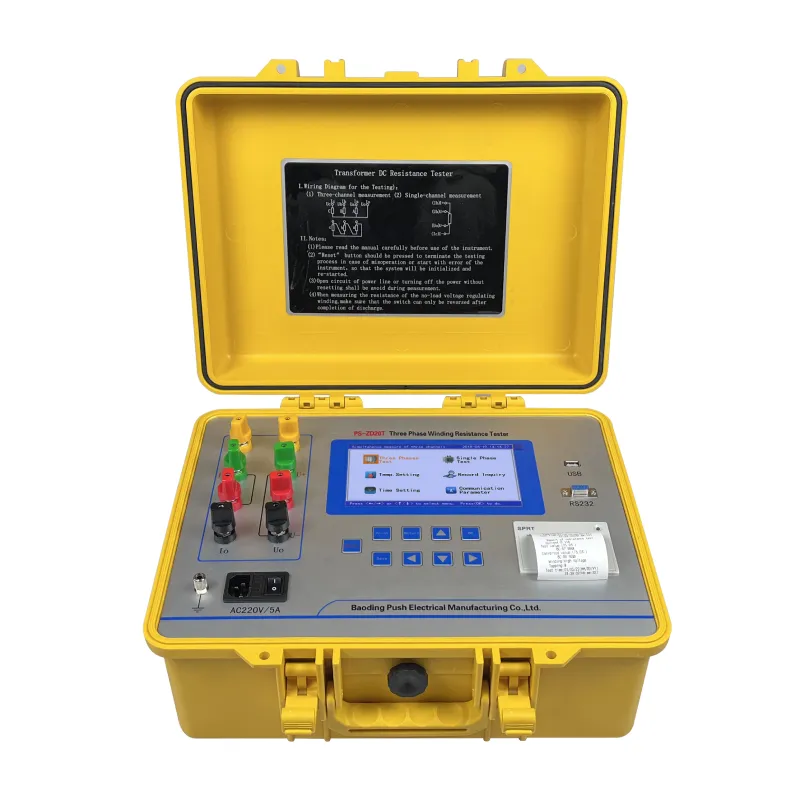
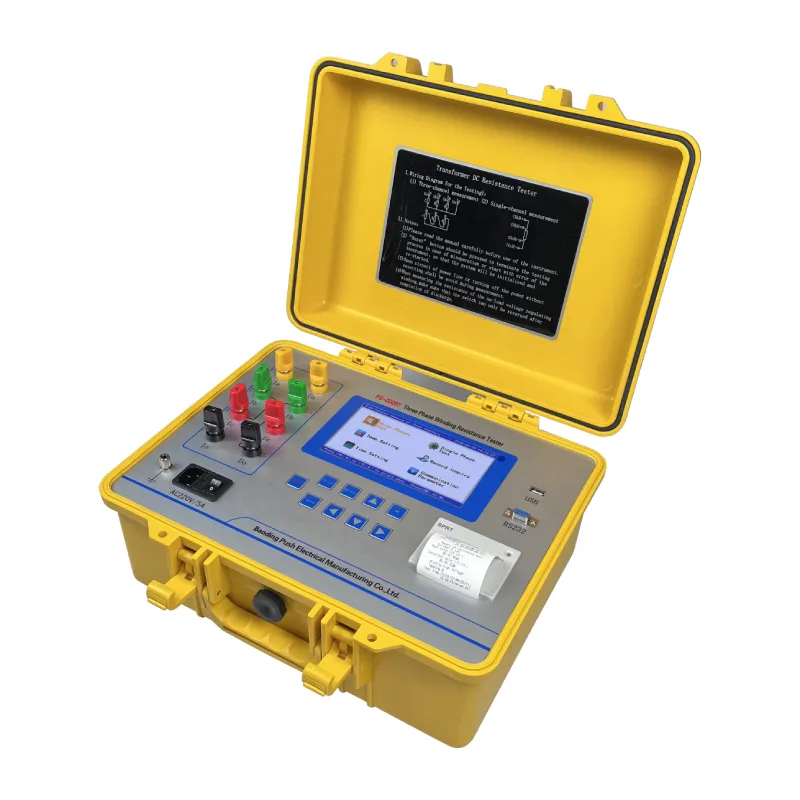
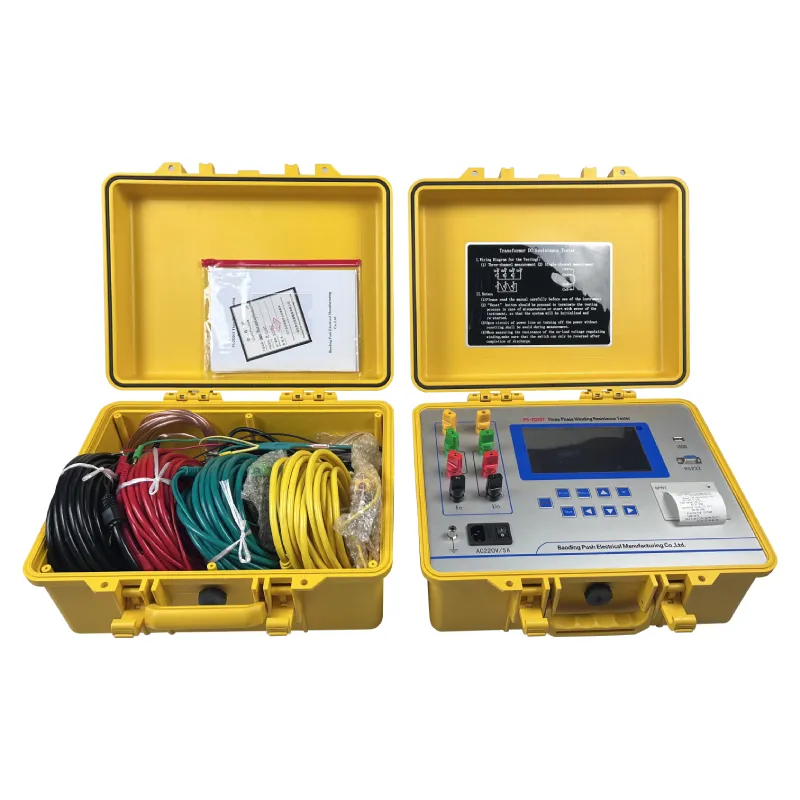
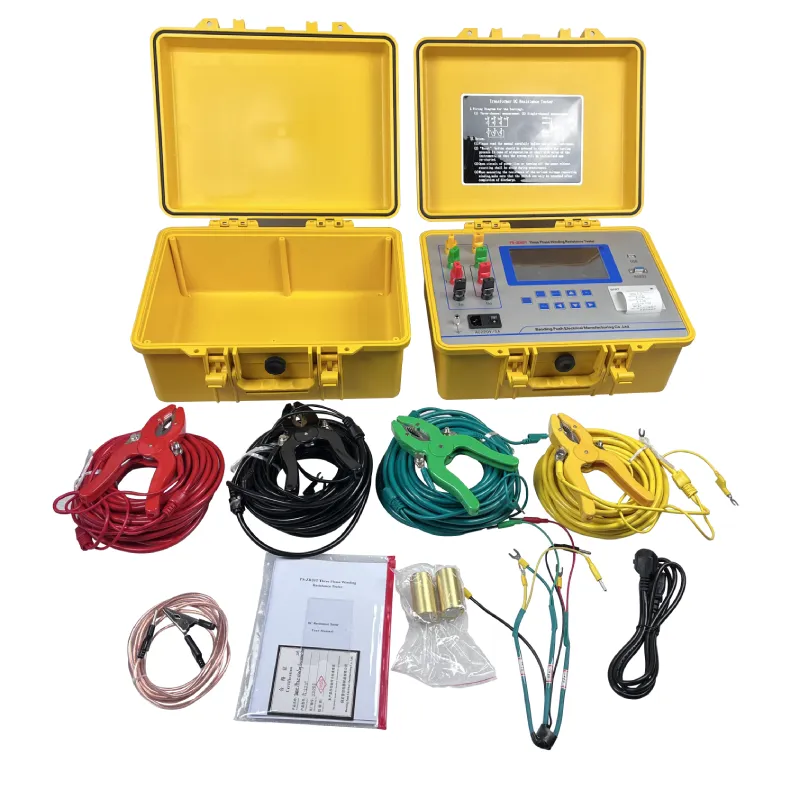
Ibicuruzwa byo kugurisha
- 1. Erekana: ibara ryamabara LCD, kwerekana menu, ibizamini byamakuru.
2. Utubuto: ikoreshwa mubikorwa bikora bijyanye na LCD cyangwa gusubiza imashini yose gusubira muburyo bwambere bwingufu.
3. Gupima ibyasohotse byasohotse hamwe na voltage yinjiza: munsi yuburyo butatu bwo gupima, Ia, Ib , Ic, Io nibisohoka, imiyoboro yinjira; Ua, Ub, UC, Uo ni umuyoboro winjiza. Muburyo bumwe bwo gupima uburyo, I + na I- nibisohoka, imiyoboro yinjiza; U + na U- ni umuyoboro winjiza voltage.
4. Guhindura amashanyarazi, sock: harimo amashanyarazi ya mashini yose, amashanyarazi ya 220V AC (hamwe na 5A irinda).
5. Ubutaka: inkoni yubutaka, kubutaka bwa mashini yose, yumurima urinzwe.
6. Interineti ya USB: intera hagati yigikoresho na U disiki.
7. Imigaragarire ya RS232: interineti yitumanaho hagati yibikoresho na mudasobwa yakira.
8. Mucapyi: gucapa amakuru nkibisubizo byagaciro byibisubizo hamwe nibizamini bigezweho.
Ibicuruzwa
|
Ibisohoka |
hitamo ibyikora byikora (ntarengwa 20 A) |
|
Ubushobozi butandukanye |
0-100 Ω |
|
Ukuri |
± (0.2% + Amagambo 2) |
|
Icyemezo ntarengwa |
0.1 μΩ |
|
Ubushyuhe bwo gukora |
-20-40 ℃ |
|
Ubushuhe bw’ibidukikije |
≤ 80% RH, nta kondegene |
|
Uburebure |
≤1000metero |
|
Amashanyarazi akora |
AC220V ± 10%, 60Hz ± 1Hz |
|
Umubumbe |
L 400 mm * W 340 mm * H 195 mm |
|
Uburemere |
8kg |
Video
dc low resistance tester
dc resistance test of transformer
dc resistance tester
Andika ubutumwa bwawe hano hanyuma utwohereze
Bifitanye isano Amakuru
-
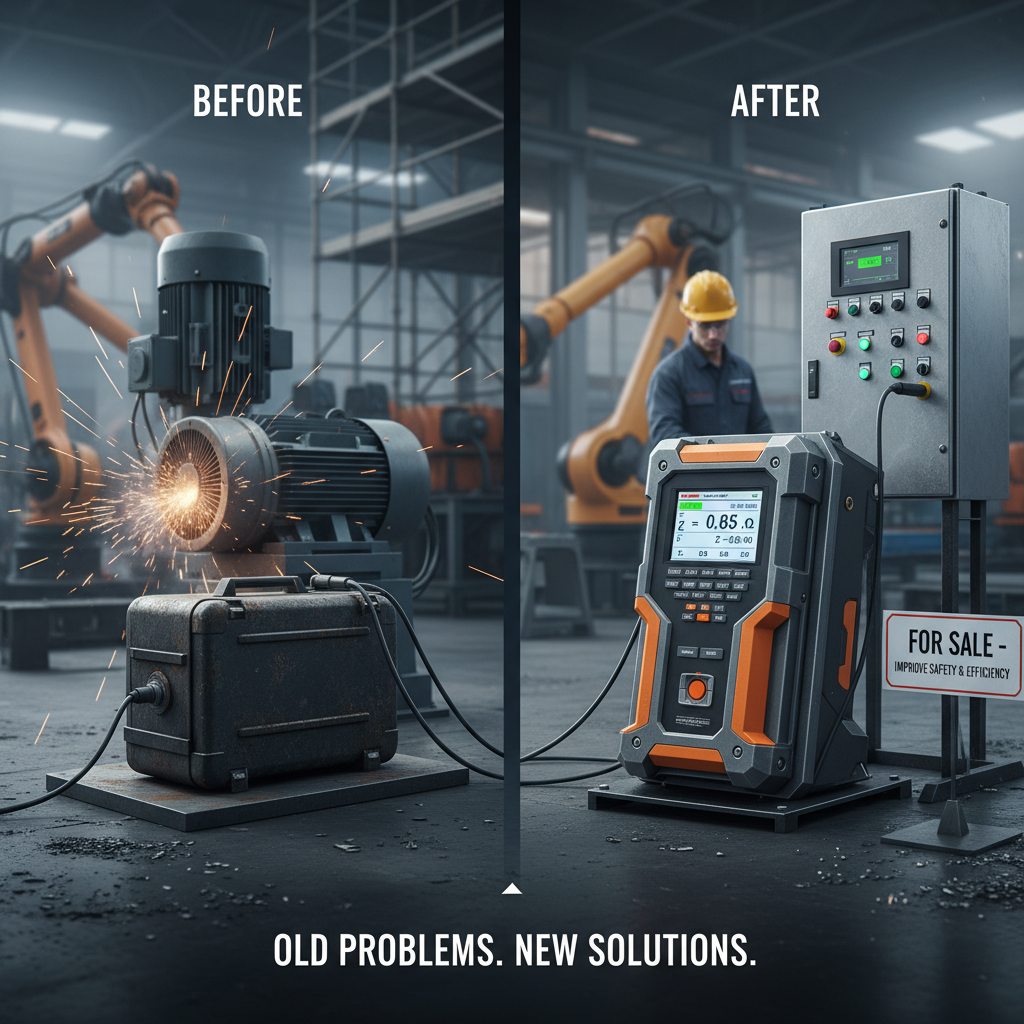 Find the Best Loop Impedance Tester for Sale and Ensure Electrical SafetyWhen ensuring electrical safety, accurate loop impedance testing is crucial. Whether you’re an electrician, a facilities manager, or a safety inspector, having a reliable loop impedance tester for sale is essential. This article will guide you through the key considerations when purchasing a loop impedance tester, explore the different types available, and highlight the benefits of choosing a high-quality instrument. Understanding the nuances of these testers will help you make an informed decision and ensure compliance with safety regulations.Ibisobanuro
 -
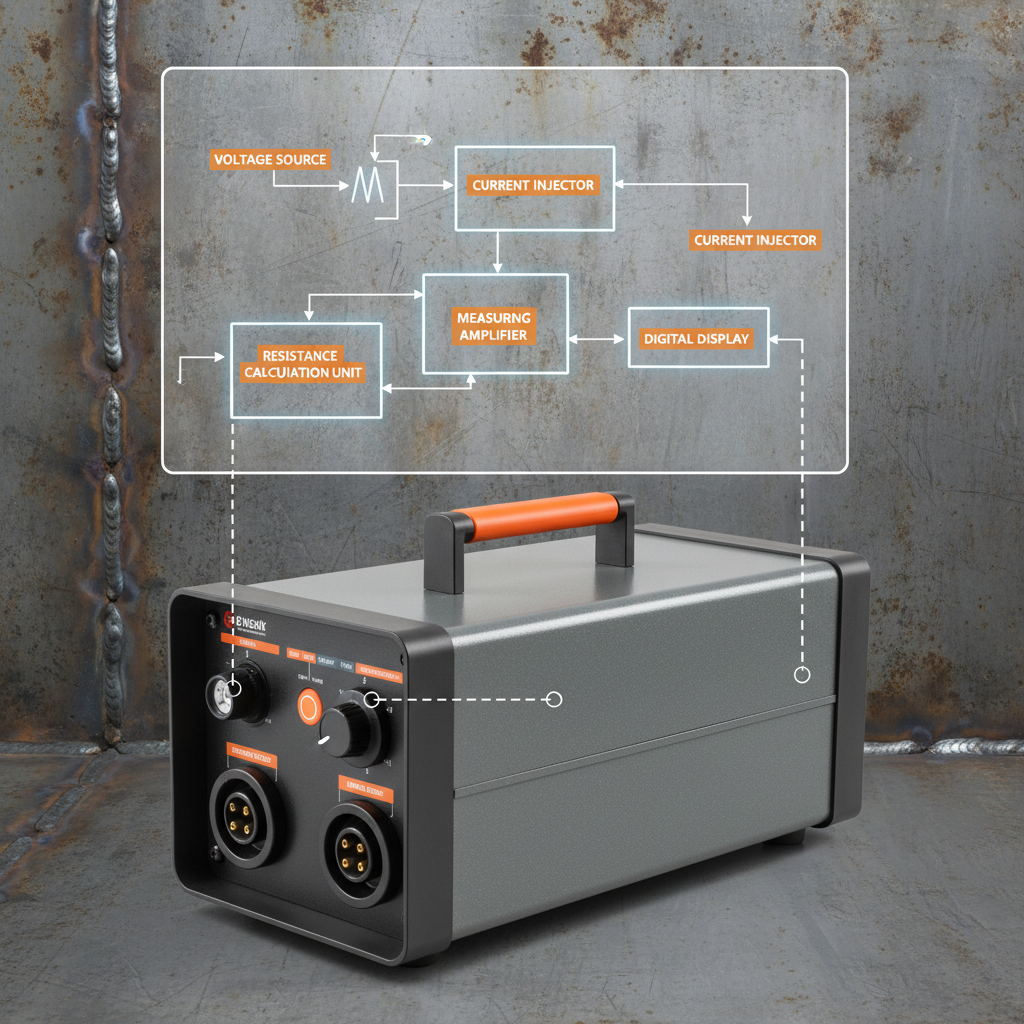 Comprehensive Guide to Loop Impedance Meter for Electrical SafetyEnsuring electrical safety is paramount in any installation, and a loop impedance meter is a crucial tool for achieving this. This device measures the total impedance of the earth fault loop, helping to verify that protective devices will operate correctly under fault conditions. In this article, we'll explore what a loop impedance meter is, how it works, its applications, factors influencing measurements, choosing the right meter, and the importance of regular testing. Investing in a quality meter from Push Tester is a step towards safer electrical systems.Ibisobanuro
 -
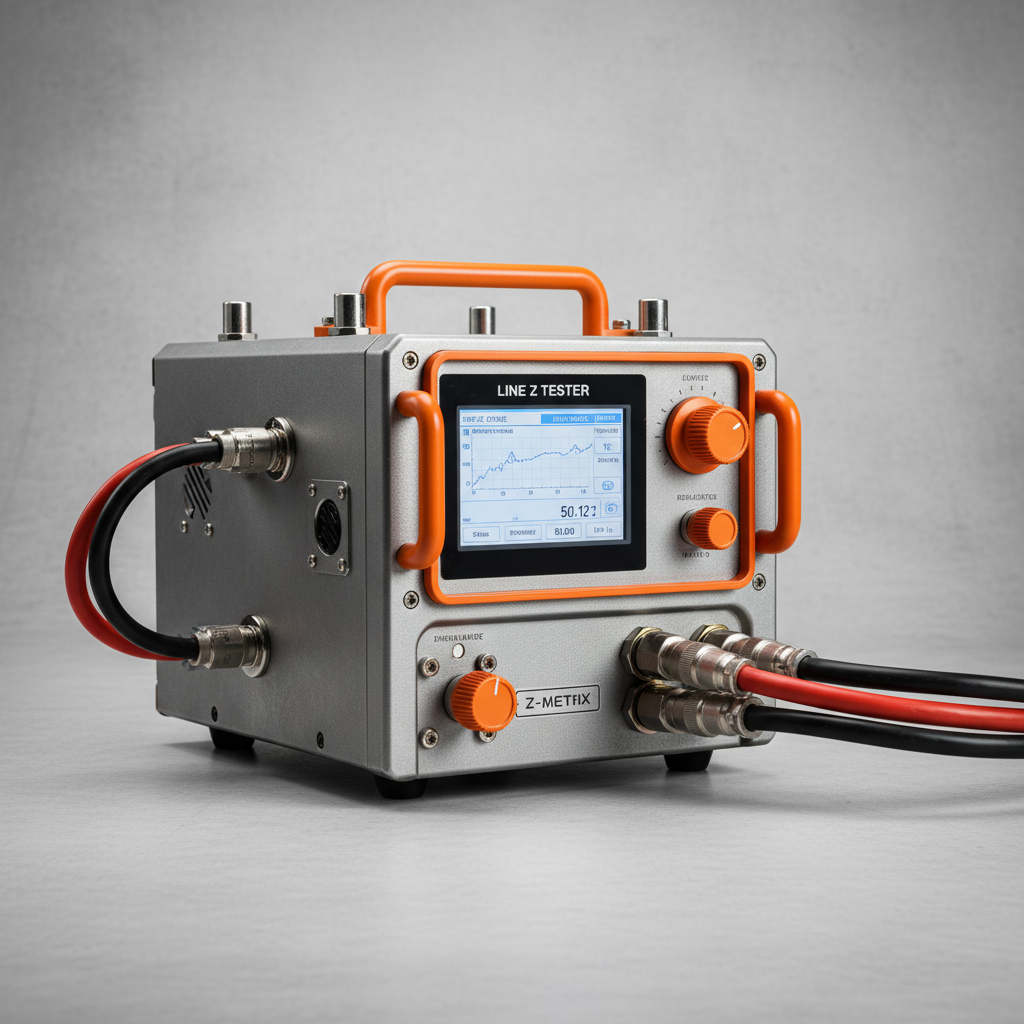 Understanding and Choosing a Line Impedance Tester for Optimal Network PerformanceIn the realm of telecommunications and electrical engineering, maintaining the integrity of transmission lines is paramount. A line impedance tester is a crucial instrument for ensuring optimal signal transmission and preventing costly network disruptions. This article delves into the world of line impedance testing, exploring its importance, applications, types of testers, and what to look for when making a purchase. Ensuring accurate impedance measurements is essential for efficient and reliable network performance. Choosing the right tester can significantly impact troubleshooting speed and the overall quality of your infrastructure. A line impedance tester, also known as a cable impedance analyzer, is a device used to measure the characteristic impedance of coaxial cables, twisted pair cables, and other transmission lines. Impedance, measured in ohms, represents the opposition to the flow of alternating current. Maintaining the correct impedance (typically 50 or 75 ohms) is vital for minimizing signal reflections, ensuring efficient power transfer, and preventing signal degradation. Mismatched impedance can lead to signal loss, ghosting, and reduced network performance. Regular testing helps identify faults and maintain network integrity.Ibisobanuro


