TEL:
+86-0312-3189593
 İngilizce


Telefon:0312-3189593

E-posta:sales@oil-tester.com
-
 Afrikaans
 -
 Albanian
 -
 Amharic
 -
 Arabic
 -
 Armenian
 -
 Azerbaijani
 -
 Basque
 -
 Belarusian
 -
 Bengali
 -
 Bosnian
 -
 Bulgarian
 -
 Catalan
 -
 Cebuano
 -
 China
China -
 China (Taiwan)
 -
 Corsican
 -
 Croatian
 -
 Czech
Czech -
 Danish
 -
 Dutch
Dutch -
 English
 -
 Esperanto
 -
 Estonian
 -
 Finnish
 -
 French
 -
 Frisian
 -
 Galician
 -
 Georgian
 -
 German
 -
 Greek
Greek -
 Gujarati
 -
 Haitian Creole
 -
 hausa
hausa -
 hawaiian
 -
 Hebrew
 -
 Hindi
Hindi -
 Miao
Miao -
 Hungarian
 -
 Icelandic
 -
 igbo
igbo -
 Indonesian
 -
 irish
irish -
 Italian
 -
 Japanese
 -
 Javanese
 -
 Kannada
 -
 kazakh
 -
 Khmer
Khmer -
 Rwandese
 -
 Korean
 -
 Kurdish
 -
 Kyrgyz
 -
 Lao
Lao -
 Latin
Latin -
 Latvian
 -
 Lithuanian
 -
 Luxembourgish
 -
 Macedonian
 -
 Malgashi
 -
 Malay
Malay -
 Malayalam
 -
 Maltese
 -
 Maori
Maori -
 Marathi
 -
 Mongolian
 -
 Myanmar
 -
 Nepali
 -
 Norwegian
 -
 Norwegian
 -
 Occitan
 -
 Pashto
 -
 Persian
 -
 Polish
 -
 Portuguese
 -
 Punjabi
 -
 Romanian
 -
 Russian
 -
 Samoan
 -
 Scottish Gaelic
 -
 Serbian
 -
 Sesotho
 -
 Shona
Shona -
 Sindhi
 -
 Sinhala
 -
 Slovak
 -
 Slovenian
 -
 Somali
 -
 Spanish
 -
 Sundanese
 -
 Swahili
 -
 Swedish
 -
 Tagalog
 -
 Tajik
Tajik -
 Tamil
Tamil -
 Tatar
Tatar -
 Telugu
 -
 Thai
Thai -
 Turkish
 -
 Turkmen
 -
 Ukrainian
 -
 Urdu
Urdu -
 Uighur
 -
 Uzbek
Uzbek -
 Vietnamese
 -
 Welsh
Welsh -
 Bantu
Bantu -
 Yiddish
 -
 Yoruba
 -
 Zulu
Zulu
NEWS
-
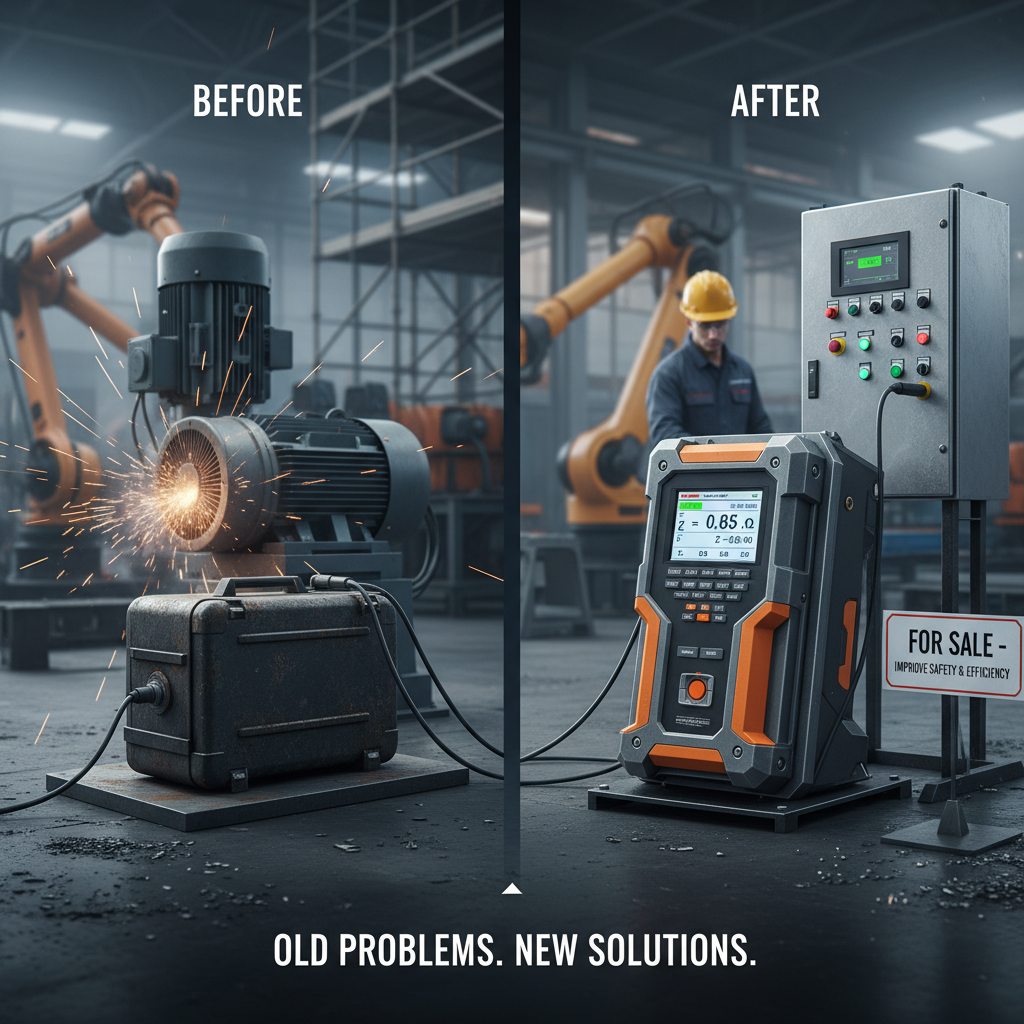 When ensuring electrical safety, accurate loop impedance testing is crucial. Whether you’re an electrician, a facilities manager, or a safety inspector, having a reliable loop impedance tester for sale is essential. This article will guide you through the key considerations when purchasing a loop impedance tester, explore the different types available, and highlight the benefits of choosing a high-quality instrument. Understanding the nuances of these testers will help you make an informed decision and ensure compliance with safety regulations.Read more
 -
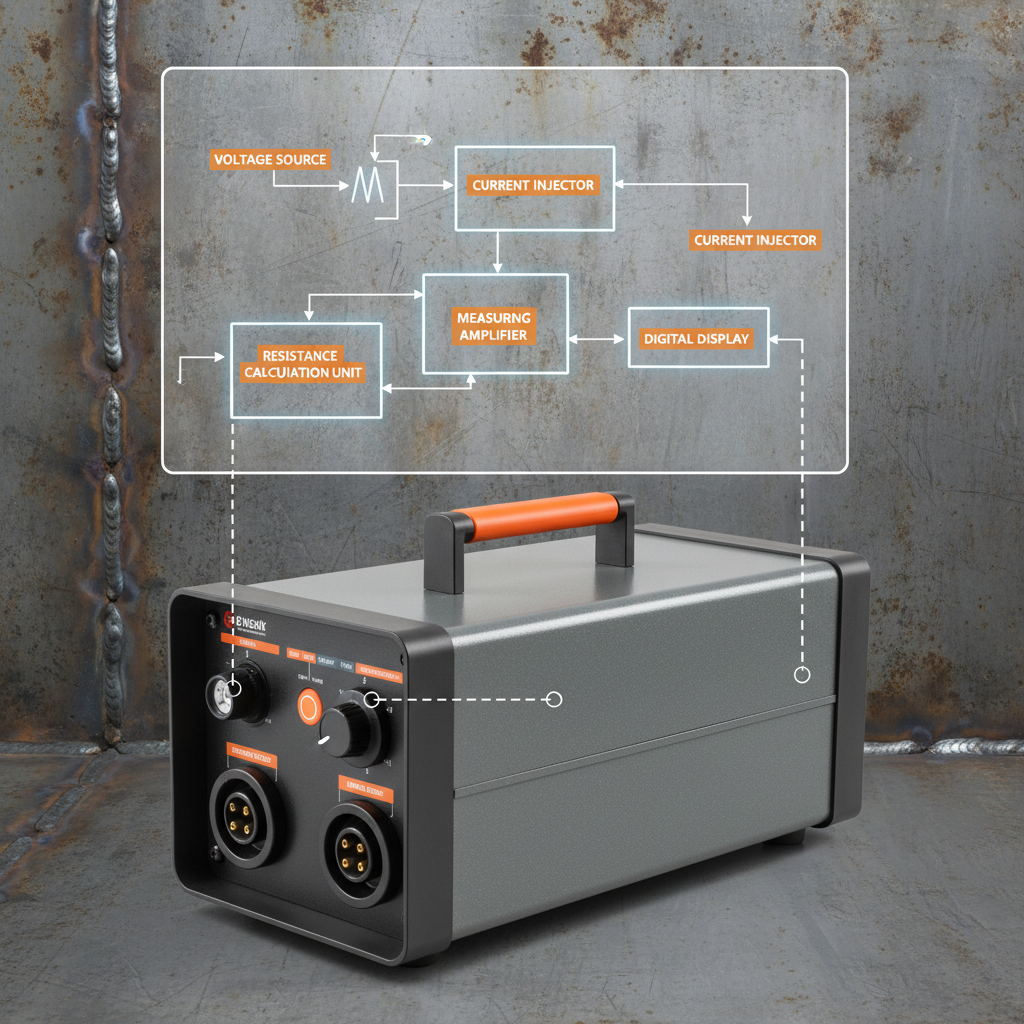 Ensuring electrical safety is paramount in any installation, and a loop impedance meter is a crucial tool for achieving this. This device measures the total impedance of the earth fault loop, helping to verify that protective devices will operate correctly under fault conditions. In this article, we'll explore what a loop impedance meter is, how it works, its applications, factors influencing measurements, choosing the right meter, and the importance of regular testing. Investing in a quality meter from Push Tester is a step towards safer electrical systems.Read more
 -
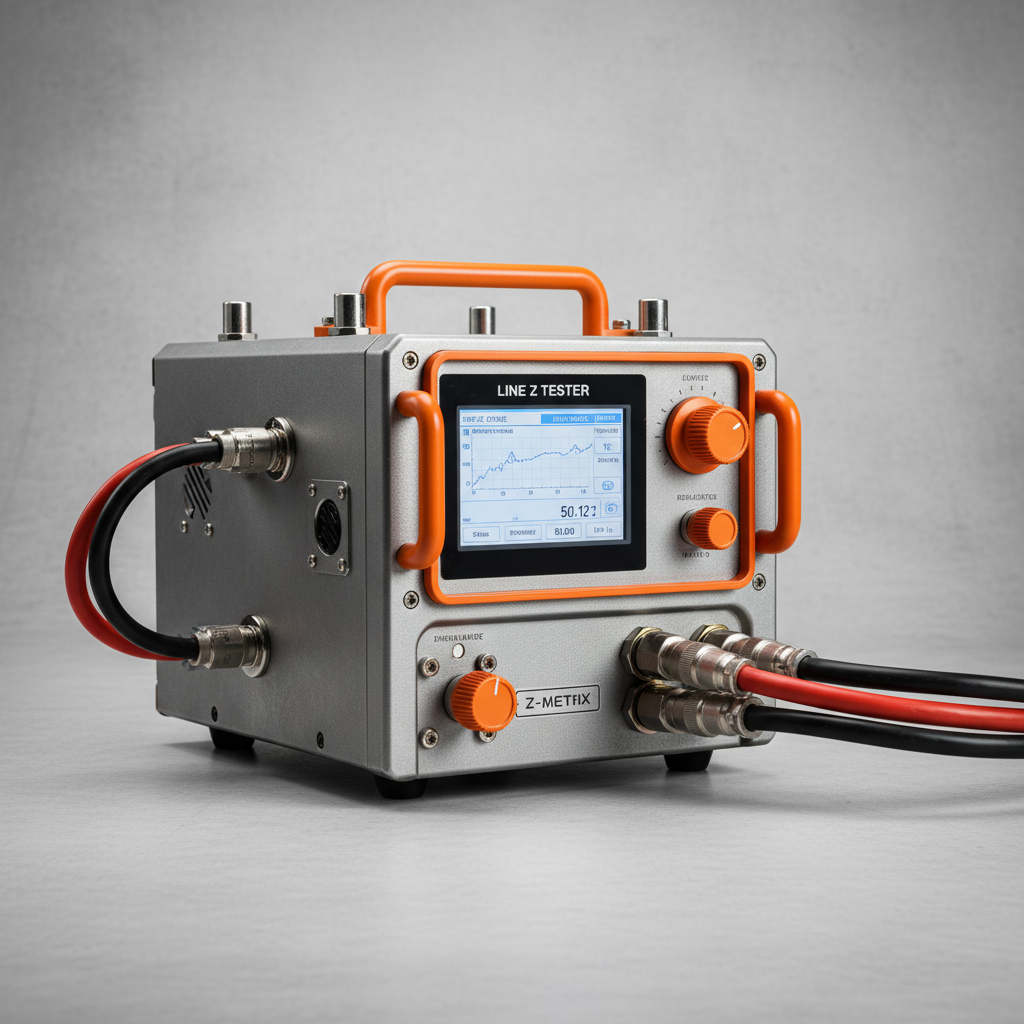 In the realm of telecommunications and electrical engineering, maintaining the integrity of transmission lines is paramount. A line impedance tester is a crucial instrument for ensuring optimal signal transmission and preventing costly network disruptions. This article delves into the world of line impedance testing, exploring its importance, applications, types of testers, and what to look for when making a purchase. Ensuring accurate impedance measurements is essential for efficient and reliable network performance. Choosing the right tester can significantly impact troubleshooting speed and the overall quality of your infrastructure. A line impedance tester, also known as a cable impedance analyzer, is a device used to measure the characteristic impedance of coaxial cables, twisted pair cables, and other transmission lines. Impedance, measured in ohms, represents the opposition to the flow of alternating current. Maintaining the correct impedance (typically 50 or 75 ohms) is vital for minimizing signal reflections, ensuring efficient power transfer, and preventing signal degradation. Mismatched impedance can lead to signal loss, ghosting, and reduced network performance. Regular testing helps identify faults and maintain network integrity.Read more
 -
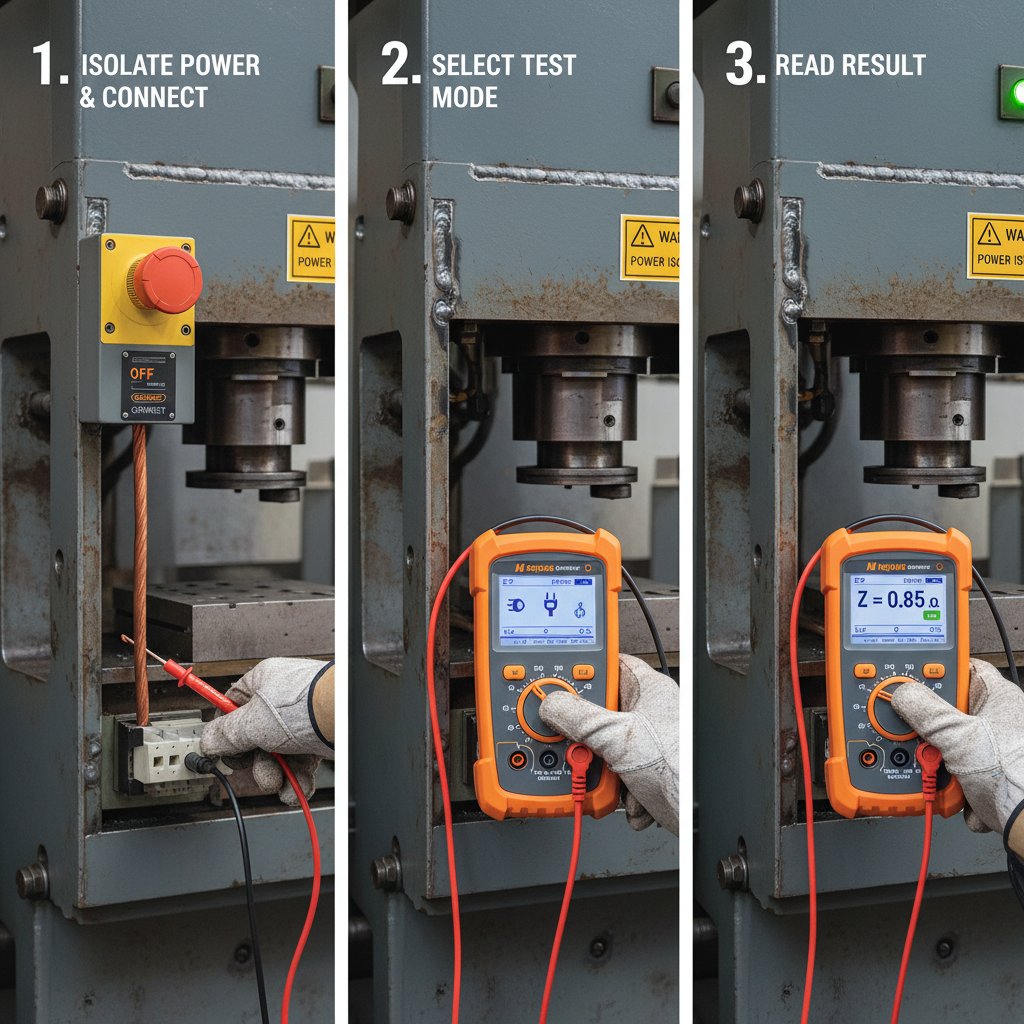 The line earth loop impedance test is a crucial safety check within electrical installations, ensuring effective protection against electric shock and fire hazards. This test verifies the integrity of the earth fault loop, the path an electrical fault current would take back to the source. Accurate measurement of this impedance is paramount for confirming the protective devices (like circuit breakers and fuses) will operate quickly enough to mitigate danger. This article will delve into the process, importance, and modern tools for performing this essential test. Properly conducting a line earth loop impedance test can save lives and protect property. The primary goal of this test is to confirm that in the event of a fault (e.g., a live wire touching a metal casing), the current will flow sufficiently to activate the overcurrent protective device – usually a circuit breaker or fuse – and quickly disconnect the power. A high impedance in the loop means a lower fault current, potentially delaying or preventing the protective device from operating, creating a dangerous situation. Regular testing, especially after modifications to an electrical system, is crucial to ensure ongoing safety and compliance with regulations like the IET Wiring Regulations (BS 7671).Read more
 -
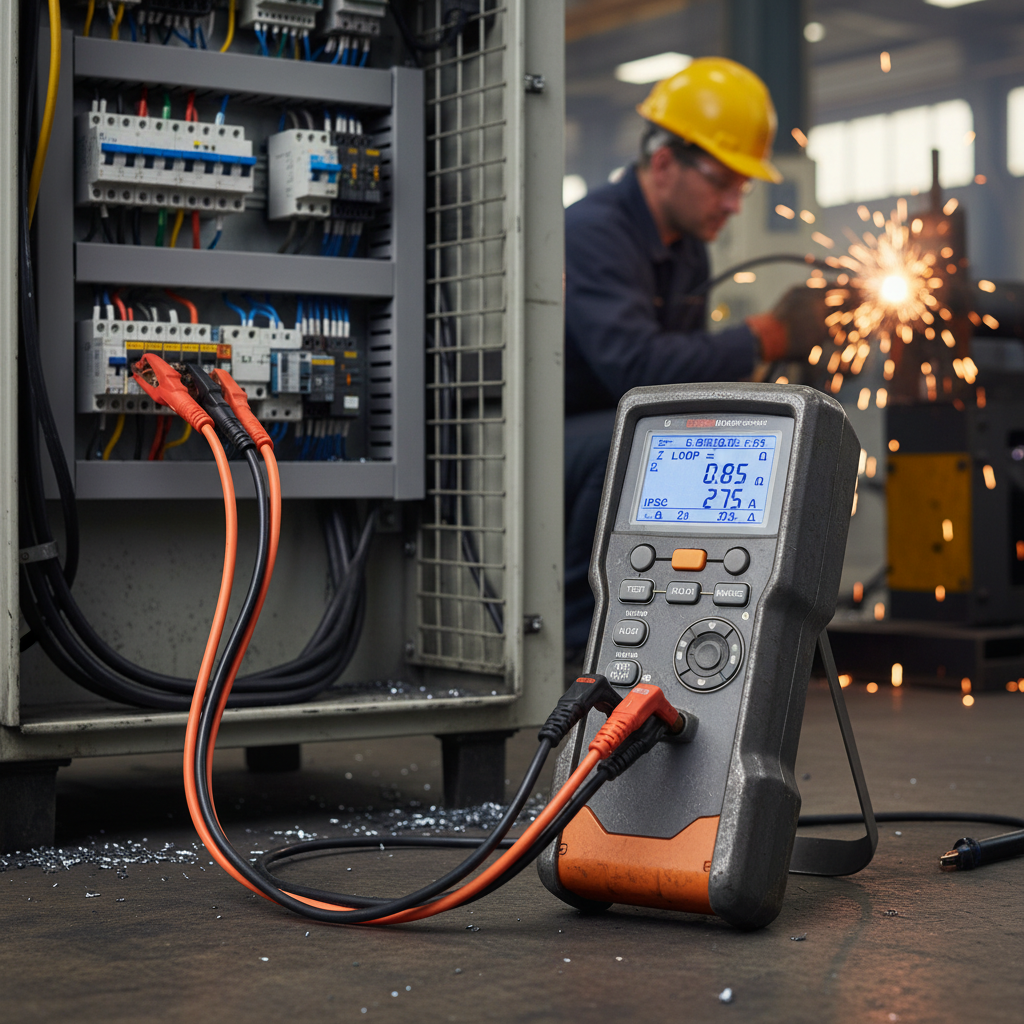 Ensuring electrical safety is paramount in any setting, and a fault loop impedance meter is an essential tool for achieving this. This article provides a thorough overview of fault loop impedance testing, its importance, how it works, and considerations when choosing a meter. We will explore the application of this testing in maintaining electrical installations, protecting personnel, and preventing fire hazards. Proper testing is vital for complying with electrical safety regulations and ensuring a secure environment. A fault loop impedance meter is a device used to measure the electrical impedance of the fault loop in an electrical installation. The fault loop consists of the live conductor, the protective device (e.g., circuit breaker or fuse), the earth conductor, and the fault path back to the source. Measuring this impedance helps determine if a fault current will be large enough to trip the protective device quickly enough to prevent a dangerous situation. A lower impedance indicates a faster trip time, increasing safety.Read more
 -
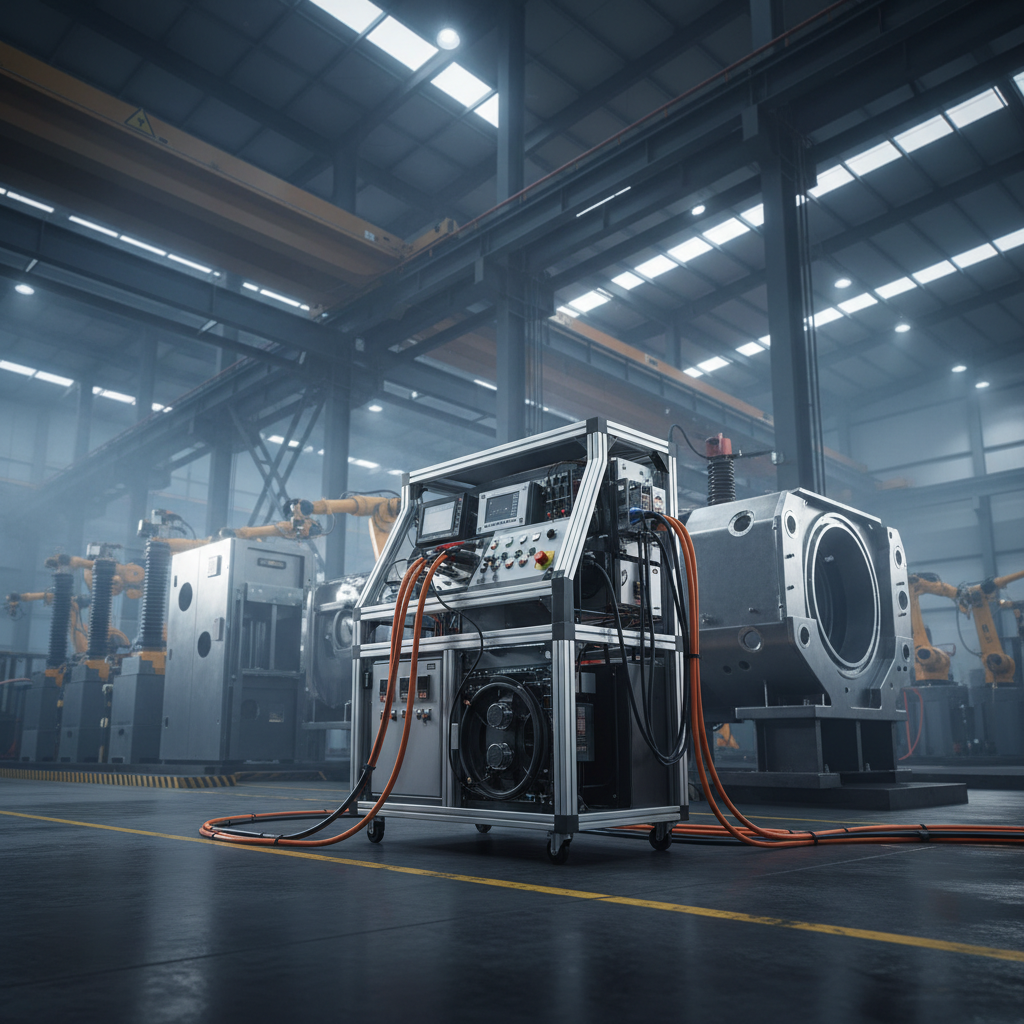 The external loop impedance test is a critical safety check within electrical installations, ensuring the effectiveness of protective earth systems. It verifies the path for fault current back to the source, vital for triggering protective devices like circuit breakers and RCDs (Residual Current Devices) during a fault condition. A high impedance indicates a compromised earth path, posing a serious shock hazard. This article will provide a comprehensive overview of the test, its importance, procedure, interpretation, and how tools like those offered by Push Tester can simplify and enhance the process. Ensuring a safe electrical system is paramount, and the external loop impedance test is a cornerstone of that assurance. The primary purpose of this test is to confirm the effectiveness of the earth fault protection system. In the event of a fault where a live conductor comes into contact with a conductive part, a low-impedance path to earth is essential. This allows a sufficient fault current to flow, triggering the protective device (circuit breaker or RCD) to quickly disconnect the supply and minimize the risk of electric shock.Read more
 -
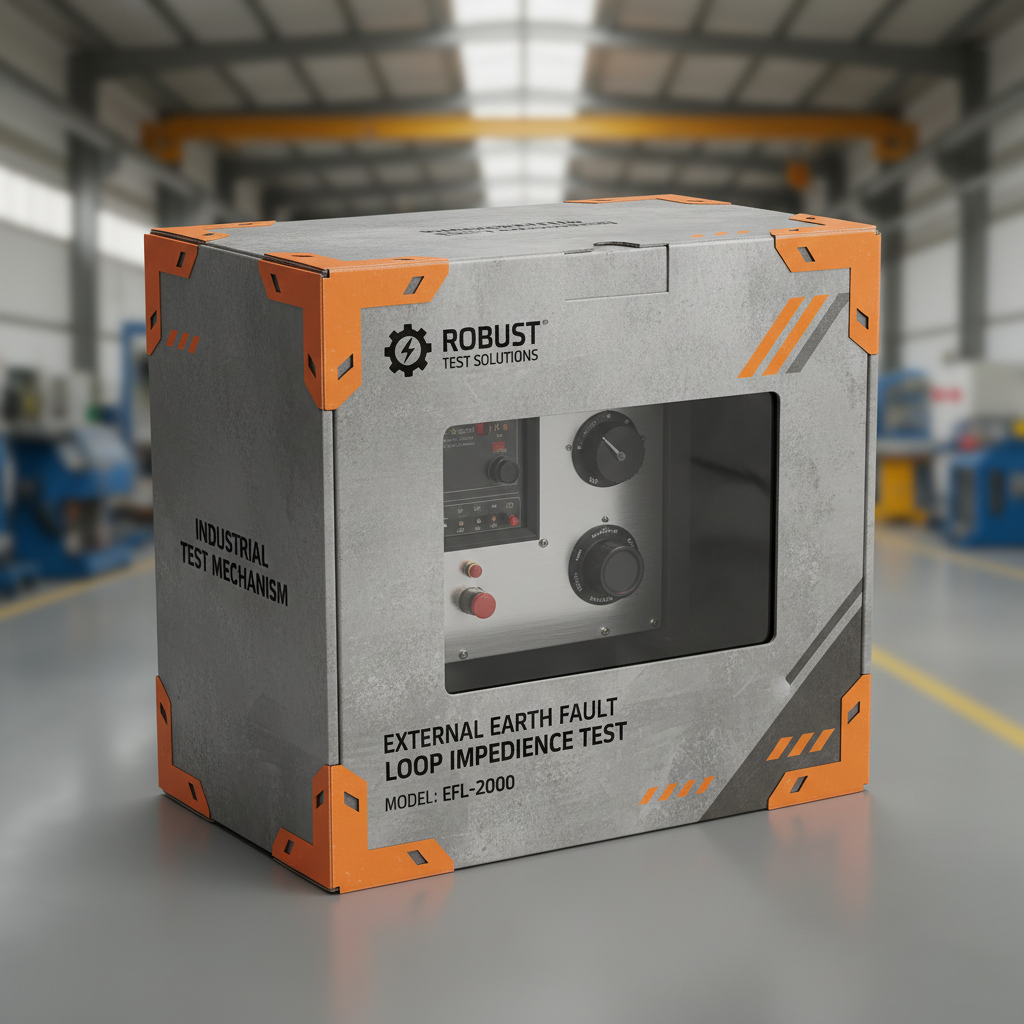 The external earth fault loop impedance test is a crucial safety procedure in electrical installations. This test verifies the effectiveness of the earth fault protection system, ensuring it can safely disconnect the supply in the event of an earth fault. Accurate measurement of the external earth fault loop impedance is vital for protecting individuals from electric shock and minimizing damage to equipment. This article will provide a comprehensive overview of the test, its importance, procedures, and how Push Tester's instruments can simplify and enhance this vital safety check. The primary purpose of this test is to confirm that a fault current is high enough to operate the protective device (fuse or circuit breaker) within the required disconnection time. A high impedance in the earth fault loop can impede the flow of fault current, delaying or preventing disconnection, thereby increasing the risk of electric shock. Regular testing ensures compliance with safety standards (like BS 7671, IET Wiring Regulations) and provides peace of mind. It's a fundamental part of any electrical safety inspection and testing routine, vital for both new installations and periodic inspections.Read more
 -
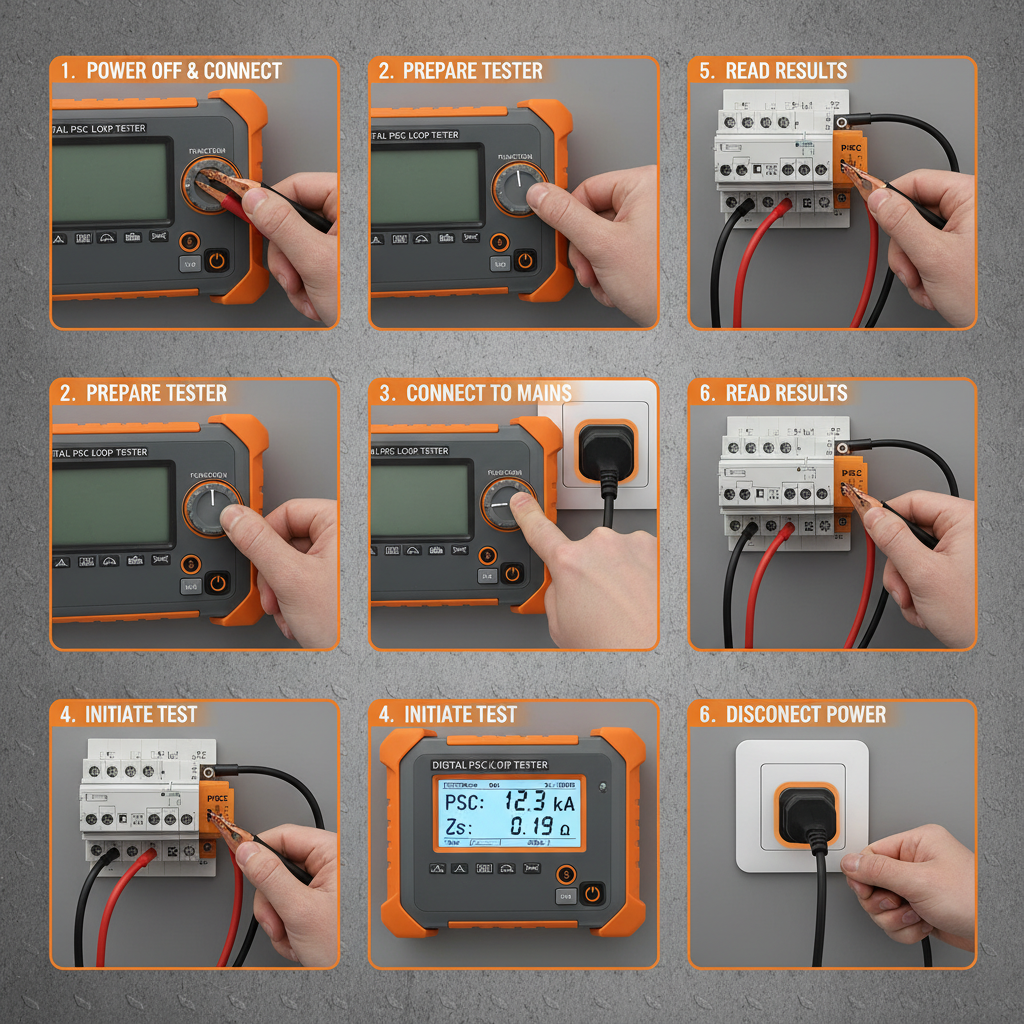 In the realm of protective services, ensuring the integrity of Personal Protective Equipment (PPE) is paramount. A crucial piece of this puzzle is the thorough testing of Patient Safety Circuits (PSCs), particularly loops within anesthesia machines. A digital PSC loop tester provides a reliable and accurate method to verify the electrical safety of these vital components. This article will delve into the importance of PSC loop testing, how a digital tester works, its benefits, and why Push Tester offers cutting-edge solutions for healthcare facilities. Regular testing isn’t simply a regulatory requirement; it’s a commitment to patient safety. A PSC loop, in the context of anesthesia, refers to the complete pathway of gases and air delivered to the patient. It includes components like vaporizers, breathing circuits, and oxygen supplies. Electrical safety is vital because a fault in any part of this loop could lead to patient burns or other harmful injuries.Read more
 -
Understanding the health and performance of your batteries is crucial for reliable operation in a wide range of applications. Battery impedance test equipment plays a vital role in assessing battery condition, predicting lifespan, and ensuring optimal functionality. This article will explore the importance of impedance testing, the different types of equipment available, key considerations when selecting a tester, and how Push Tester can help you meet your battery testing needs. Proper battery maintenance and testing can prevent costly downtime and ensure the safety of your operations. Battery impedance is a measure of the opposition to the flow of alternating current (AC) within a battery. It's a complex value comprised of several factors, including internal resistance, charge transfer resistance, and electrochemical impedance. Changes in impedance over time indicate degradation of the battery's internal components. Testing battery impedance is a non-destructive method to assess the battery’s state of health (SOH) without fully discharging it.Read more
-
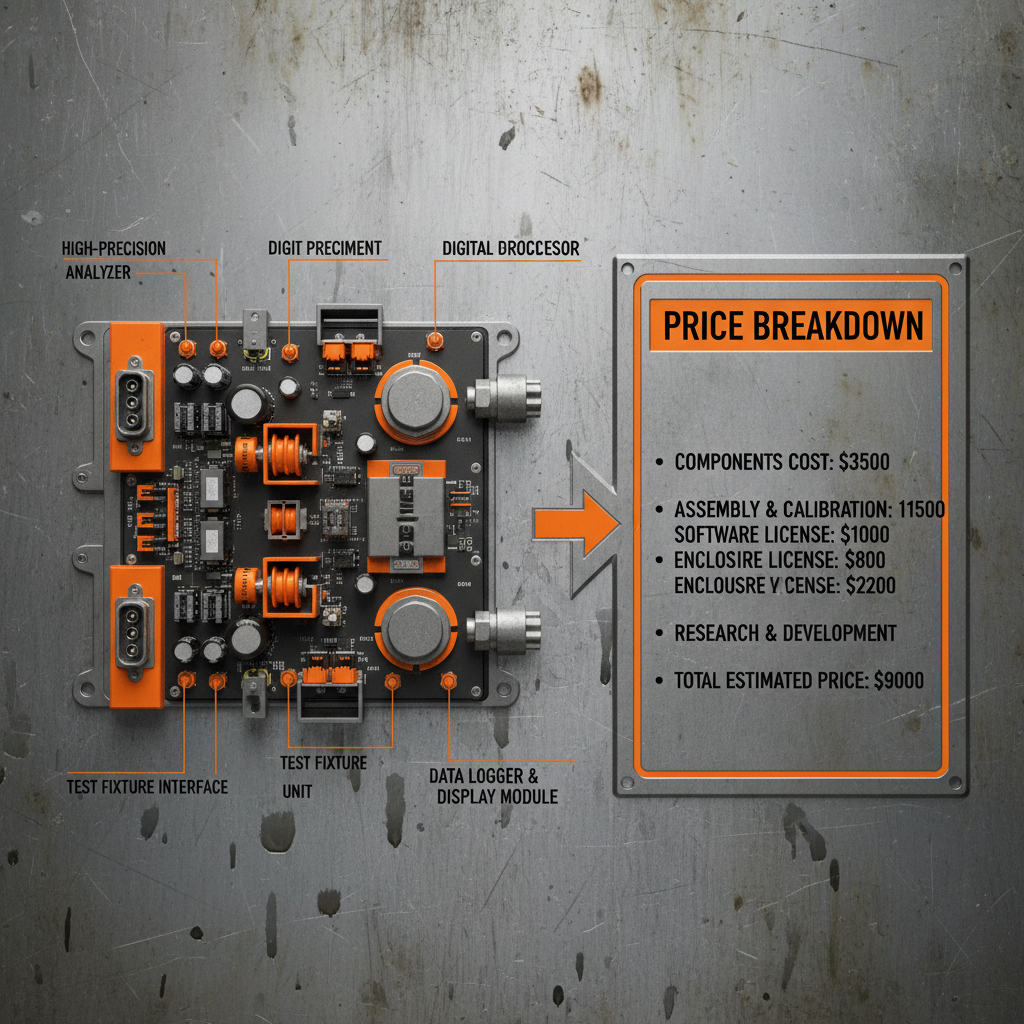 Choosing the right battery impedance tester is crucial for maintaining battery health and ensuring optimal performance in various applications. The battery impedance tester price can vary significantly based on features, accuracy, and intended use. This article provides an in-depth look at the factors influencing the price of these testers, common types available, and what to consider when making a purchase. We’ll explore different price points and the corresponding capabilities, helping you make an informed decision based on your specific needs. Several key factors contribute to the price of a battery impedance tester. These include the testing frequency range, accuracy levels, the number of test points supported, and the complexity of the software. Higher-end models offering a broader frequency range and more precise measurements will naturally command a higher price. Additionally, testers designed for specific battery types (e.g., lithium-ion, lead-acid) may be priced differently than universal testers. Features like data logging, report generation, and PC connectivity also impact the overall cost.Read more
 -
 Understanding battery impedance measurement is crucial for assessing battery health, performance, and lifespan. This article will delve into the significance of impedance, the methods used for its measurement, and its applications across various industries. We’ll explore how accurate impedance data can optimize battery management, improve reliability, and prevent unexpected failures. Accurate measurements lead to better decision making when dealing with battery systems. Battery impedance is the total opposition a battery presents to alternating current (AC). It’s a complex parameter comprising both resistance and reactance, and its value changes with frequency, temperature, and state of charge. A low impedance indicates a healthy battery capable of delivering high currents efficiently. As a battery ages, its impedance increases due to chemical changes within the cells. Measuring impedance provides a non-destructive way to assess the internal health of a battery, detecting issues like electrode corrosion, electrolyte degradation, and separator failure.Read more
 -
 Ensuring optimal audio performance requires accurate measurement and understanding of speaker impedance. A speaker impedance tester is a crucial tool for audio engineers, technicians, and DIY enthusiasts alike. This article delves into the world of impedance testing, explaining what it is, why it's important, different types of testers, and how to choose the right one for your needs. From troubleshooting audio issues to verifying speaker specifications, a reliable tester is an indispensable asset. Most speakers are rated at 4Ω, 6Ω, or 8Ω. Matching the speaker impedance to your amplifier’s output impedance is crucial for efficient power transfer and preventing damage. A mismatch can lead to distortion, reduced volume, or even amplifier failure. Understanding impedance curves allows professionals to predict speaker behavior and optimize system performance.Read more


