 English



-
 Afrikaans
 -
 Albanian
 -
 Amharic
 -
 Arabic
 -
 Armenian
 -
 Azerbaijani
 -
 Basque
 -
 Belarusian
 -
 Bengali
 -
 Bosnian
 -
 Bulgarian
 -
 Catalan
 -
 Cebuano
 -
 China
China -
 China (Taiwan)
 -
 Corsican
 -
 Croatian
 -
 Czech
Czech -
 Danish
 -
 Dutch
Dutch -
 English
 -
 Esperanto
 -
 Estonian
 -
 Finnish
 -
 French
 -
 Frisian
 -
 Galician
 -
 Georgian
 -
 German
 -
 Greek
Greek -
 Gujarati
 -
 Haitian Creole
 -
 hausa
hausa -
 hawaiian
 -
 Hebrew
 -
 Hindi
Hindi -
 Miao
Miao -
 Hungarian
 -
 Icelandic
 -
 igbo
igbo -
 Indonesian
 -
 irish
irish -
 Italian
 -
 Japanese
 -
 Javanese
 -
 Kannada
 -
 kazakh
 -
 Khmer
Khmer -
 Rwandese
 -
 Korean
 -
 Kurdish
 -
 Kyrgyz
 -
 Lao
Lao -
 Latin
Latin -
 Latvian
 -
 Lithuanian
 -
 Luxembourgish
 -
 Macedonian
 -
 Malgashi
 -
 Malay
Malay -
 Malayalam
 -
 Maltese
 -
 Maori
Maori -
 Marathi
 -
 Mongolian
 -
 Myanmar
 -
 Nepali
 -
 Norwegian
 -
 Norwegian
 -
 Occitan
 -
 Pashto
 -
 Persian
 -
 Polish
 -
 Portuguese
 -
 Punjabi
 -
 Romanian
 -
 Russian
 -
 Samoan
 -
 Scottish Gaelic
 -
 Serbian
 -
 Sesotho
 -
 Shona
Shona -
 Sindhi
 -
 Sinhala
 -
 Slovak
 -
 Slovenian
 -
 Somali
 -
 Spanish
 -
 Sundanese
 -
 Swahili
 -
 Swedish
 -
 Tagalog
 -
 Tajik
Tajik -
 Tamil
Tamil -
 Tatar
Tatar -
 Telugu
 -
 Thai
Thai -
 Turkish
 -
 Turkmen
 -
 Ukrainian
 -
 Urdu
Urdu -
 Uighur
 -
 Uzbek
Uzbek -
 Vietnamese
 -
 Welsh
Welsh -
 Bantu
Bantu -
 Yiddish
 -
 Yoruba
 -
 Zulu
Zulu
-
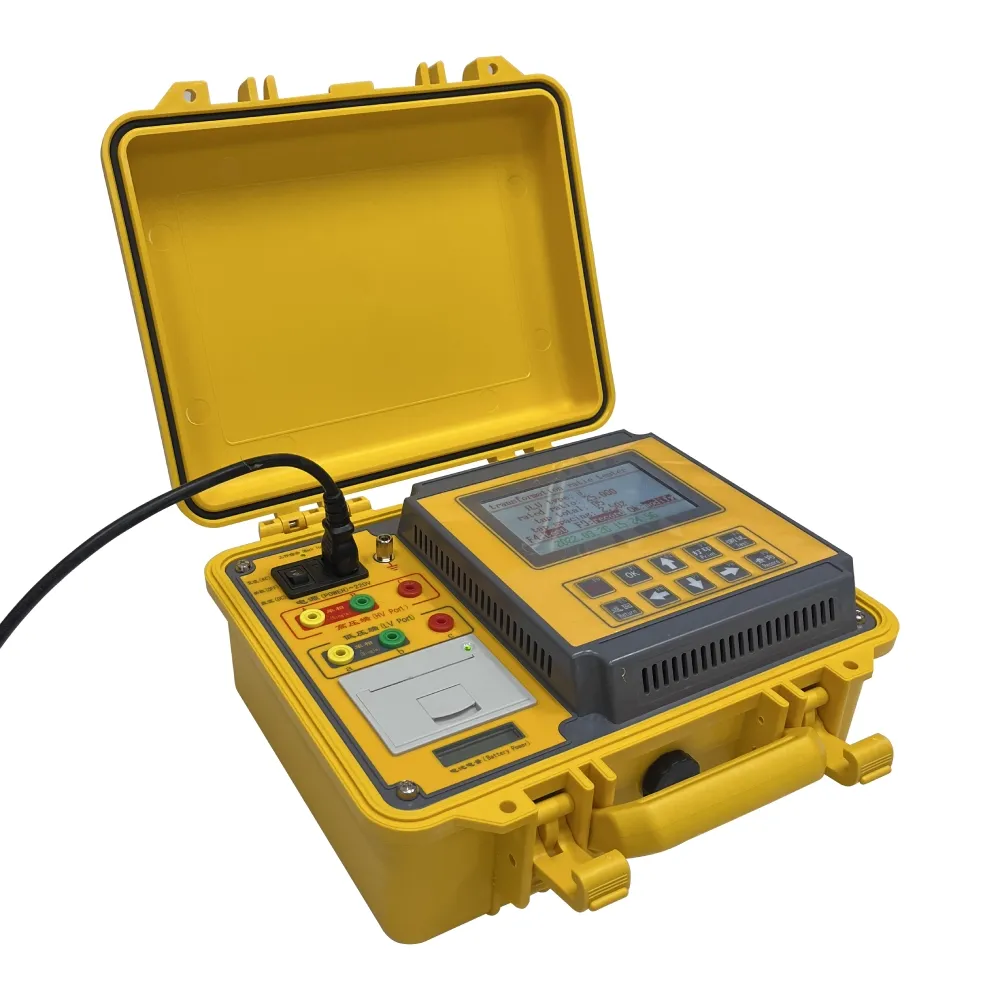
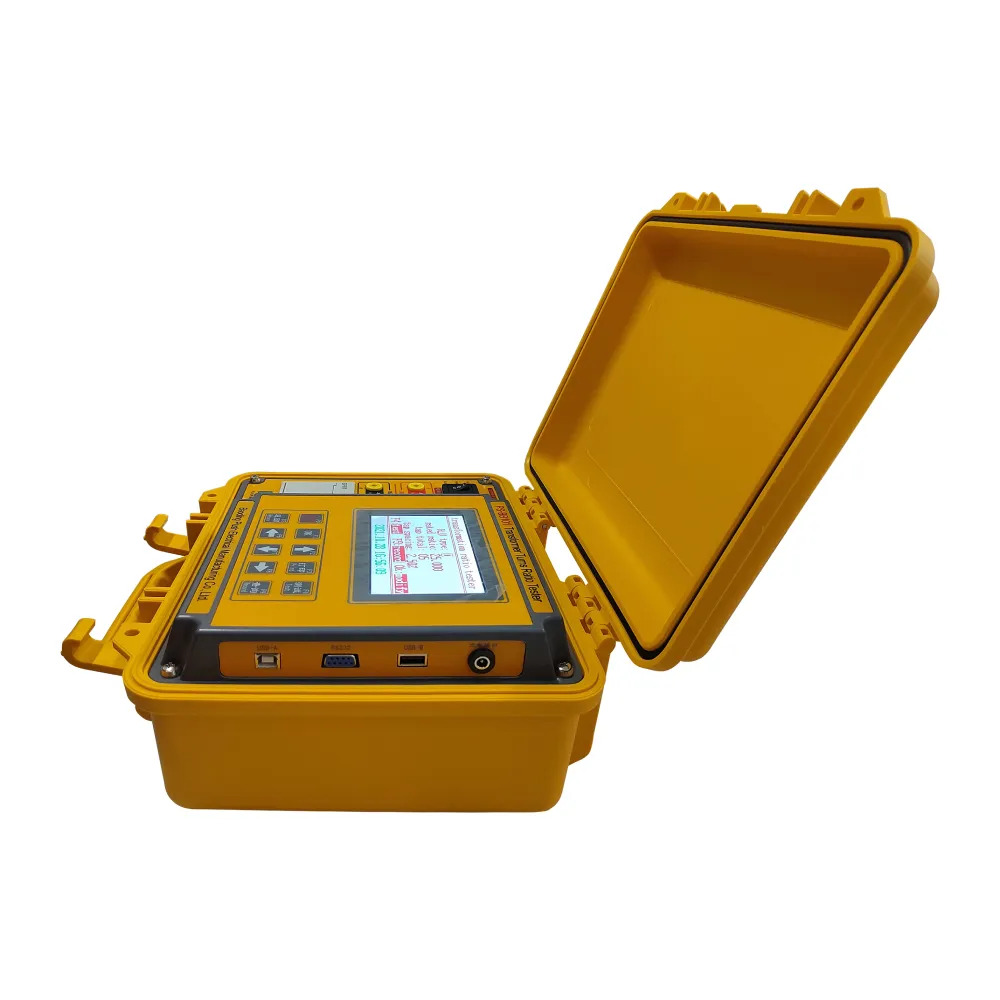
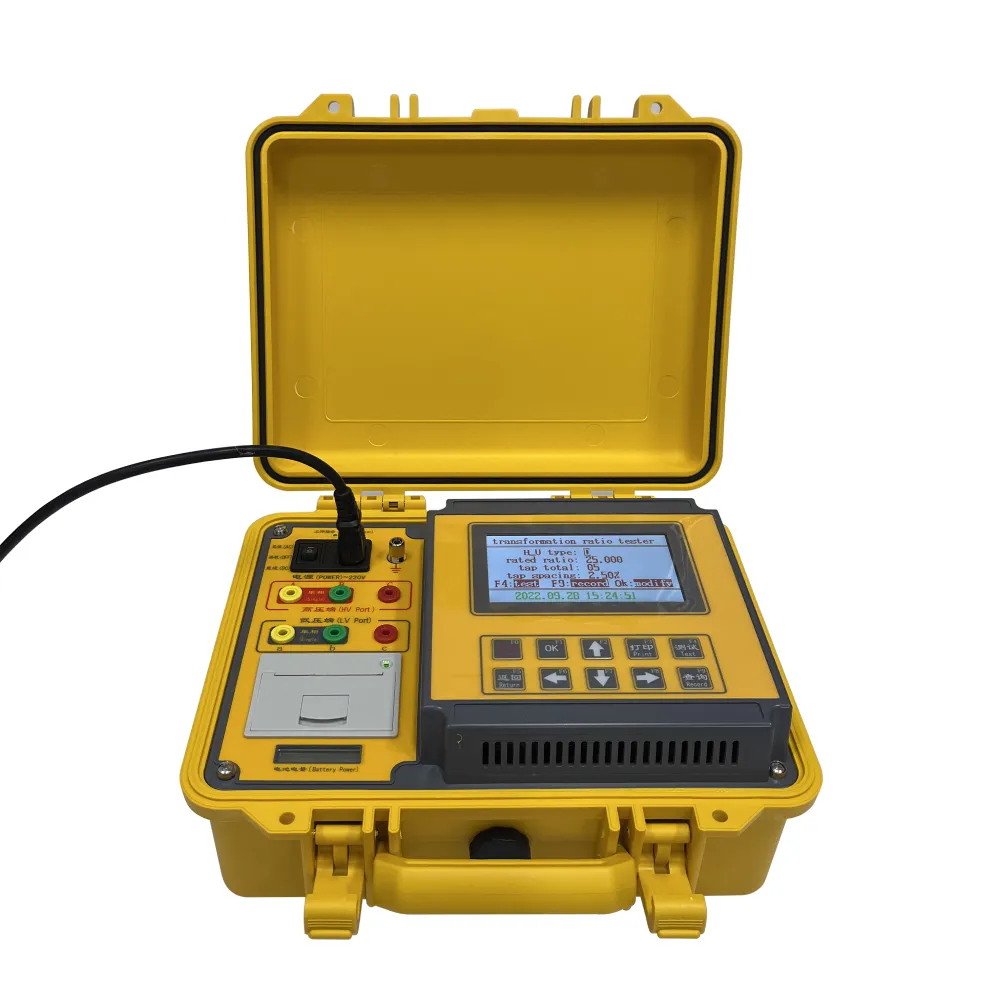
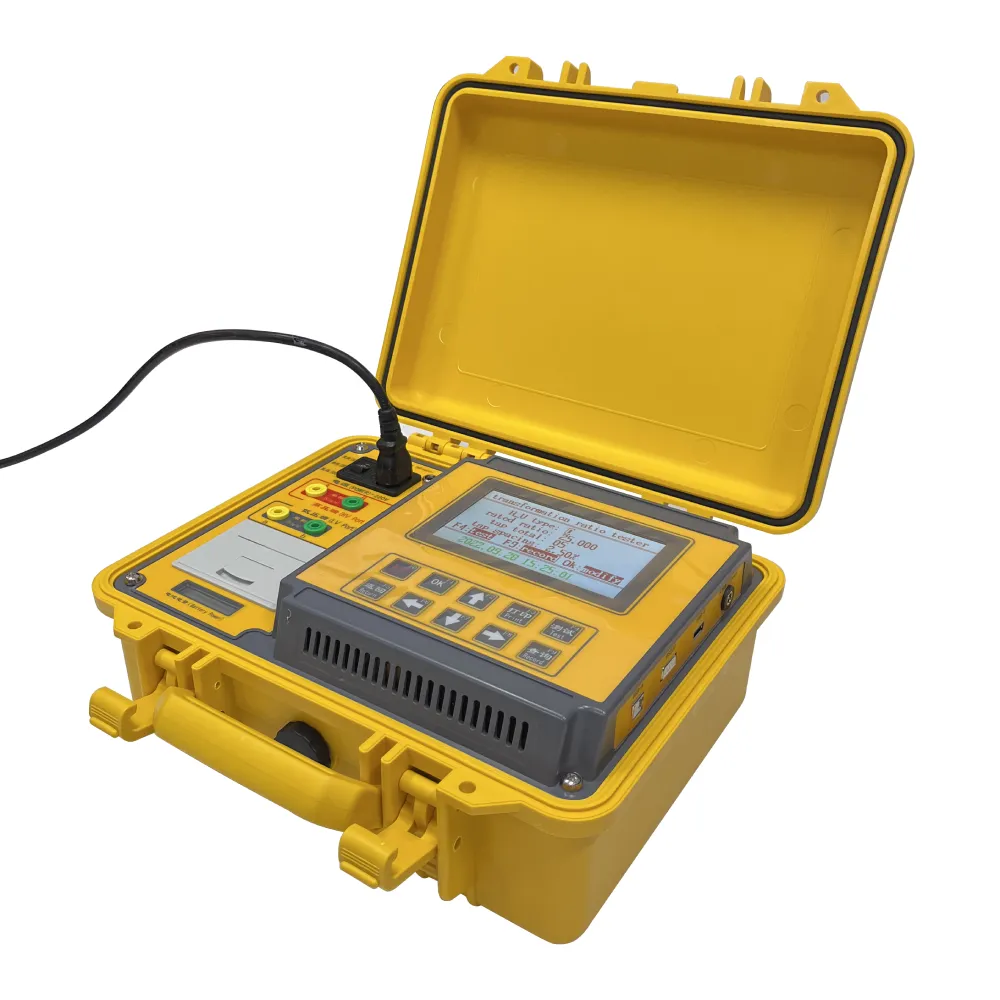
1. Iwọn idanwo naa gbooro, to 10000.
2. Iyara idanwo naa yara, ati idanwo ipele-ọkan ti pari laarin awọn aaya 5.
3. 240 * 128 awọ iboju LCD, wiwo ibaraẹnisọrọ jẹ diẹ sii ni imọran.
4. Z-asopọ transformer igbeyewo.
5. O ni awọn iṣẹ bii idanwo afọju ti ipin iyipada, idanwo ẹgbẹ, ati idanwo ipo tẹ ni kia kia.
6. Aago ati ifihan ọjọ laisi ikuna agbara, iṣẹ ipamọ data (awọn ẹgbẹ 50 ti data idanwo le wa ni ipamọ).
7. Ga ati kekere foliteji yiyipada asopọ Idaabobo iṣẹ.
8. Ayika kukuru kukuru ati iṣẹ-aabo aabo aarin-tan.
9. Iṣẹ iṣelọpọ itẹwe gbona, yara ati ipalọlọ.
10. O gba ipo ipese agbara AC / DC, ati pe o le ṣee lo pẹlu tabi laisi agbara akọkọ lori aaye.
11. Iwọn kekere, iwuwo ina, rọrun lati gbe.
|
Ibiti o |
0.9-10000 |
|
Yiye |
0.1% ± 2 nomba (0.9 ~ 500) |
|
0.2% ± 2 nomba (500 ~ 2000) |
|
|
0.3% ± 2 nomba (2000 ~ 4000) |
|
|
0.5% ± 2 nomba (4000 loke) |
|
|
Agbara ipinnu |
o kere ju 0.0001 |
|
Foliteji o wu |
160V/10V (Aifọwọyi) |
|
Ipese agbara ṣiṣẹ |
Ipo AC — — Ipese agbara AC ita AC220V ± 10%, 50Hz nilo. (Maṣe lo monomono) |
|
Ipo DC — Ko si ipese agbara ita ti o nilo (ohun elo naa ni batiri lithium tirẹ) |
|
|
Iwọn otutu iṣẹ |
-10℃ ~ 40℃ |
|
Ojulumo ọriniinitutu |
≤ 80%, ko si condensation |
transformer ttr
transformer turns ratio meter
transformer turns ratio test set
transformer turns ratio tester
transformer voltage turns ratio
ttr test
ttr test in transformer
ttr test of power transformer
ttr test of transformer
ttr test set
ttr tester
ttr transformer turns ratio
turns ratio meter
turns ratio test in transformer
turns ratio tester
-
 Find the Best Loop Impedance Tester for Sale and Ensure Electrical SafetyWhen ensuring electrical safety, accurate loop impedance testing is crucial. Whether you’re an electrician, a facilities manager, or a safety inspector, having a reliable loop impedance tester for sale is essential. This article will guide you through the key considerations when purchasing a loop impedance tester, explore the different types available, and highlight the benefits of choosing a high-quality instrument. Understanding the nuances of these testers will help you make an informed decision and ensure compliance with safety regulations.Ẹ̀kúnrẹ́rẹ́
 -
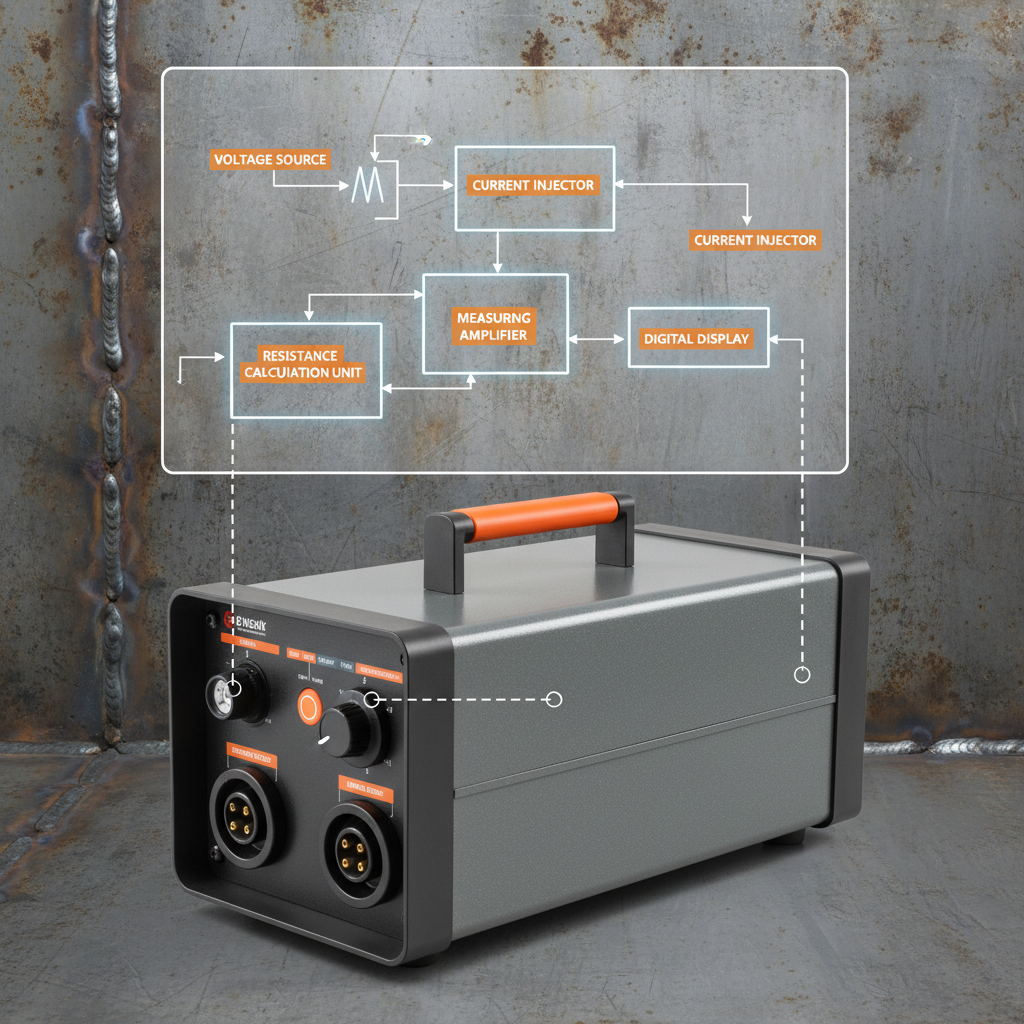 Comprehensive Guide to Loop Impedance Meter for Electrical SafetyEnsuring electrical safety is paramount in any installation, and a loop impedance meter is a crucial tool for achieving this. This device measures the total impedance of the earth fault loop, helping to verify that protective devices will operate correctly under fault conditions. In this article, we'll explore what a loop impedance meter is, how it works, its applications, factors influencing measurements, choosing the right meter, and the importance of regular testing. Investing in a quality meter from Push Tester is a step towards safer electrical systems.Ẹ̀kúnrẹ́rẹ́
 -
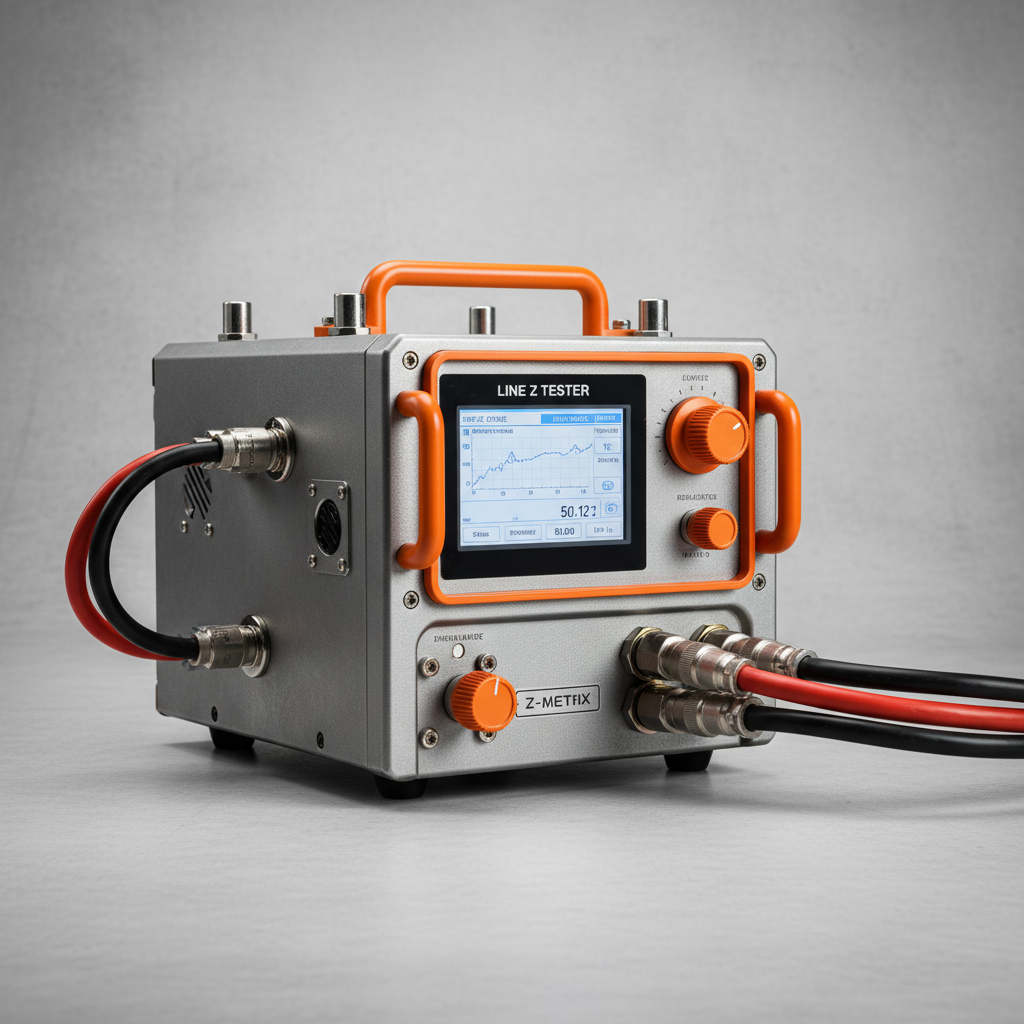 Understanding and Choosing a Line Impedance Tester for Optimal Network PerformanceIn the realm of telecommunications and electrical engineering, maintaining the integrity of transmission lines is paramount. A line impedance tester is a crucial instrument for ensuring optimal signal transmission and preventing costly network disruptions. This article delves into the world of line impedance testing, exploring its importance, applications, types of testers, and what to look for when making a purchase. Ensuring accurate impedance measurements is essential for efficient and reliable network performance. Choosing the right tester can significantly impact troubleshooting speed and the overall quality of your infrastructure. A line impedance tester, also known as a cable impedance analyzer, is a device used to measure the characteristic impedance of coaxial cables, twisted pair cables, and other transmission lines. Impedance, measured in ohms, represents the opposition to the flow of alternating current. Maintaining the correct impedance (typically 50 or 75 ohms) is vital for minimizing signal reflections, ensuring efficient power transfer, and preventing signal degradation. Mismatched impedance can lead to signal loss, ghosting, and reduced network performance. Regular testing helps identify faults and maintain network integrity.Ẹ̀kúnrẹ́rẹ́


