TEL:
+86-0312-3189593
 English


Tẹlifoonu:0312-3189593

Imeeli:sales@oil-tester.com
-
 Afrikaans
 -
 Albanian
 -
 Amharic
 -
 Arabic
 -
 Armenian
 -
 Azerbaijani
 -
 Basque
 -
 Belarusian
 -
 Bengali
 -
 Bosnian
 -
 Bulgarian
 -
 Catalan
 -
 Cebuano
 -
 China
China -
 China (Taiwan)
 -
 Corsican
 -
 Croatian
 -
 Czech
Czech -
 Danish
 -
 Dutch
Dutch -
 English
 -
 Esperanto
 -
 Estonian
 -
 Finnish
 -
 French
 -
 Frisian
 -
 Galician
 -
 Georgian
 -
 German
 -
 Greek
Greek -
 Gujarati
 -
 Haitian Creole
 -
 hausa
hausa -
 hawaiian
 -
 Hebrew
 -
 Hindi
Hindi -
 Miao
Miao -
 Hungarian
 -
 Icelandic
 -
 igbo
igbo -
 Indonesian
 -
 irish
irish -
 Italian
 -
 Japanese
 -
 Javanese
 -
 Kannada
 -
 kazakh
 -
 Khmer
Khmer -
 Rwandese
 -
 Korean
 -
 Kurdish
 -
 Kyrgyz
 -
 Lao
Lao -
 Latin
Latin -
 Latvian
 -
 Lithuanian
 -
 Luxembourgish
 -
 Macedonian
 -
 Malgashi
 -
 Malay
Malay -
 Malayalam
 -
 Maltese
 -
 Maori
Maori -
 Marathi
 -
 Mongolian
 -
 Myanmar
 -
 Nepali
 -
 Norwegian
 -
 Norwegian
 -
 Occitan
 -
 Pashto
 -
 Persian
 -
 Polish
 -
 Portuguese
 -
 Punjabi
 -
 Romanian
 -
 Russian
 -
 Samoan
 -
 Scottish Gaelic
 -
 Serbian
 -
 Sesotho
 -
 Shona
Shona -
 Sindhi
 -
 Sinhala
 -
 Slovak
 -
 Slovenian
 -
 Somali
 -
 Spanish
 -
 Sundanese
 -
 Swahili
 -
 Swedish
 -
 Tagalog
 -
 Tajik
Tajik -
 Tamil
Tamil -
 Tatar
Tatar -
 Telugu
 -
 Thai
Thai -
 Turkish
 -
 Turkmen
 -
 Ukrainian
 -
 Urdu
Urdu -
 Uighur
 -
 Uzbek
Uzbek -
 Vietnamese
 -
 Welsh
Welsh -
 Bantu
Bantu -
 Yiddish
 -
 Yoruba
 -
 Zulu
Zulu
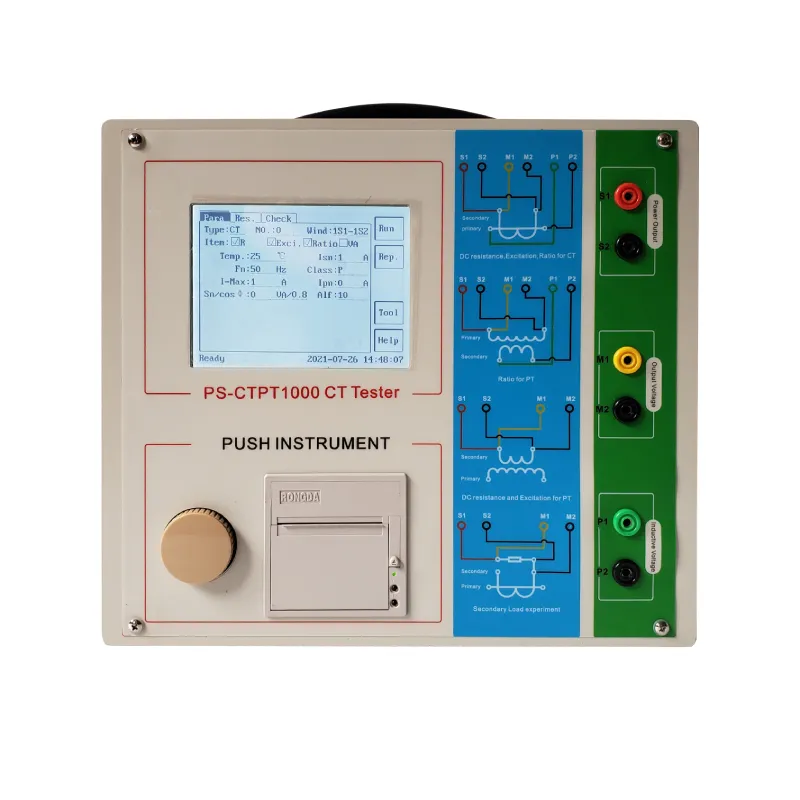
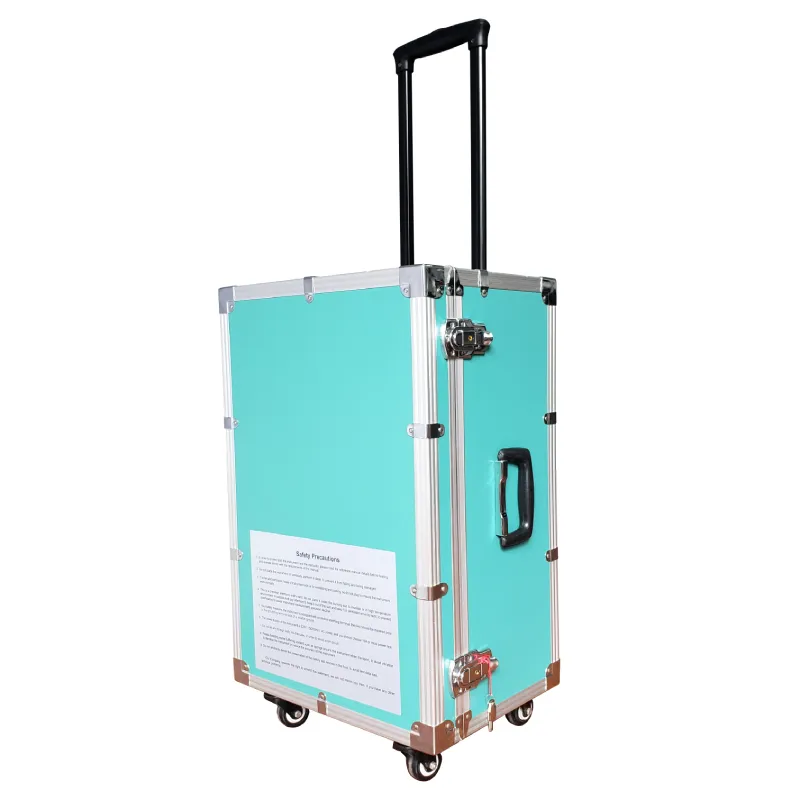
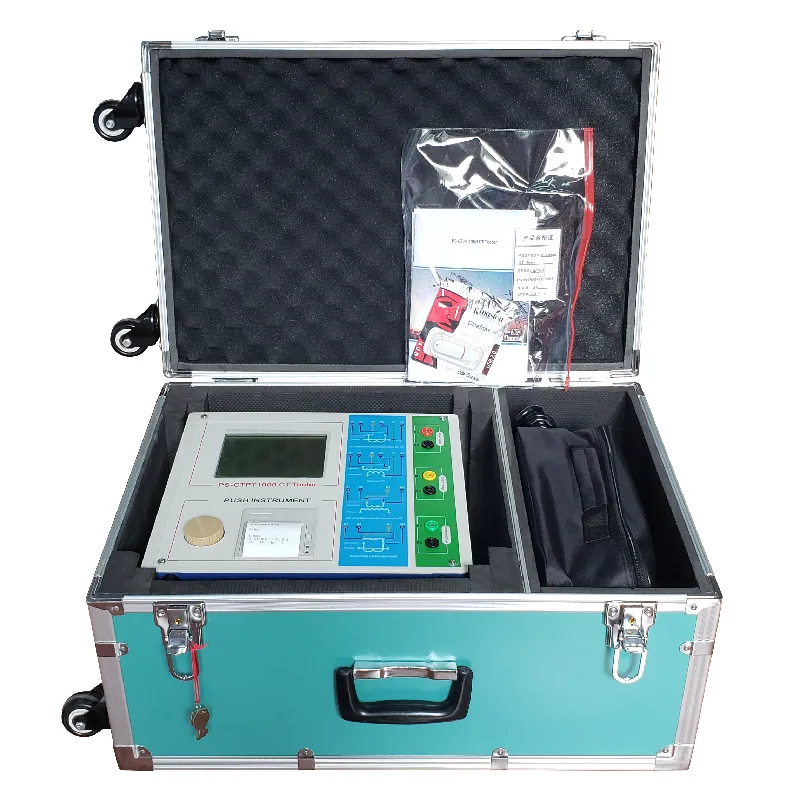
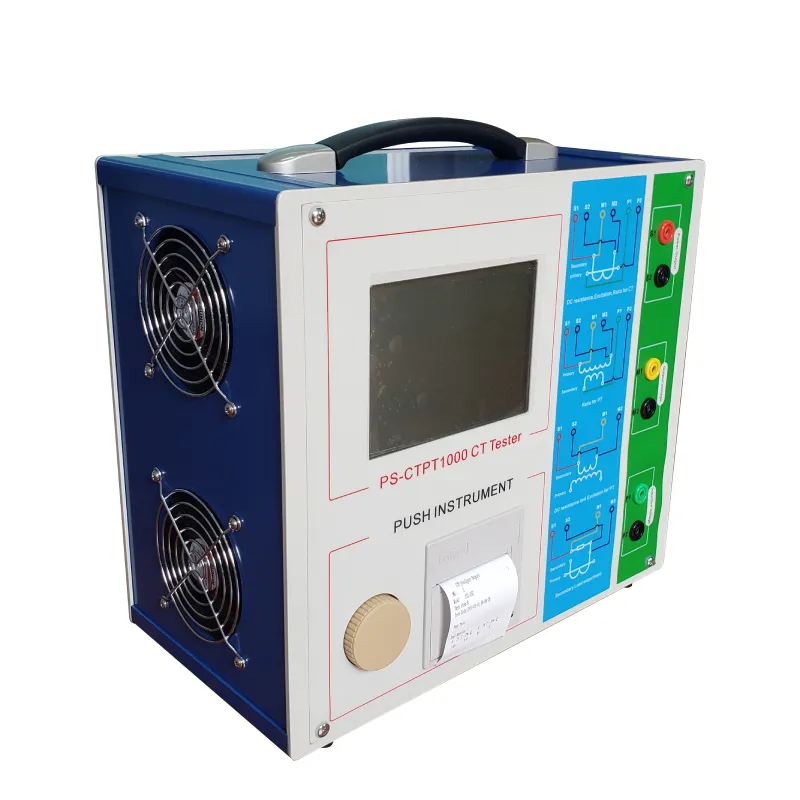
Ọja Ta Point Ifihan
- 1, okeerẹ awọn iṣẹ, eyi ti ko nikan pade awọn simi abuda (ie folti-ampere abuda), transformation ratio, polarity, Atẹle yikaka resistance, secondary fifuye, ratio iyato, ati igun iyato ti awọn orisirisi CTs (gẹgẹ bi awọn Idaabobo, wiwọn, TP) O tun le ṣee lo lati ṣe idanwo awọn abuda iwuri, ipin iyipada, polarity, resistance yikaka keji, iyatọ ipin ati iyatọ igun ti ọpọlọpọ awọn ẹya eletiriki PT.
2, The inflection ojuami foliteji / lọwọlọwọ, 10% (5%) aṣiṣe ti tẹ, iyege iwọn ifosiwewe (ALF), irinse aabo ifosiwewe (FS), Atẹle akoko ibakan (Ts), remanence ifosiwewe (Kr), ekunrere ati CT ati PT paramita bi unsaturated inductance.
3, Idanwo naa pade ọpọlọpọ awọn iṣedede transformer bii GB1208 (IEC60044-1), GB16847 (IEC60044-6), GB1207, ati bẹbẹ lọ, ati pe boṣewa wo ni a yan laifọwọyi fun idanwo ni ibamu si iru ati ipele ti transformer.
4, Da lori ilana idanwo ọna iwọn-kekere to ti ni ilọsiwaju, o le koju idanwo CT pẹlu aaye inflection ti o to 45KV.
5, Ọrẹ ati wiwo lẹwa, gbogbo wiwo ayaworan Ilu Kannada.
6, Awọn ẹrọ le fipamọ 2000 tosaaju ti igbeyewo data, eyi ti yoo ko sọnu lẹhin agbara ikuna. Lẹhin ti idanwo naa ti pari, fi pamọ sinu PC pẹlu disiki U kan, ṣe itupalẹ data pẹlu sọfitiwia naa, ki o ṣe ijabọ WORD kan.
7, Idanwo naa rọrun ati irọrun. Idaduro taara, simi, ipin iyipada ati idanwo polarity ti CT le pari pẹlu bọtini kan. Ni afikun si idanwo fifuye, gbogbo awọn idanwo CT miiran lo ọna onirin kanna.
8, Rọrun lati gbe, iwuwo ẹrọ jẹ <9Kg.
Ọja Paramita
|
Idi idanwo |
Idaabobo kilasi CT, Idaabobo kilasi PT |
|
|
Abajade |
0 ~ 180Vrms, 12Arms, 18A (Ti o ga julọ) |
|
|
ipin CT |
Ààlà |
1~40000 |
|
|
Itọkasi |
± 0.05% |
|
ipin PT |
Ààlà |
1~40000 |
|
|
Itọkasi |
± 0.05% |
|
Iwọn ipele |
Itọkasi |
± 5 iṣẹju |
|
|
Ipinnu |
0.5 iṣẹju |
|
Atẹle yiyi resistance wiwọn |
Ààlà |
0 ~ 300Ω |
|
|
Itọkasi |
2%±2mΩ |
|
AC fifuye wiwọn |
Ààlà |
0 ~ 1000VA |
|
|
Itọkasi |
2% ± 0.2VA |
|
Input agbara agbari foliteji |
AC220V± 10%,50Hz |
|
|
ṣiṣẹ ayika |
otutu: -10C ~ 50C, ọriniinitutu:≤90% |
|
|
iwọn ati iwuwo |
Iwọn: 340mm x 300mm x 150mm iwuwo: <9kg |
|
Fidio
ct pt testing equipment
Kọ ifiranṣẹ rẹ nibi ki o si fi si wa
Jẹmọ Iroyin
-
 Find the Best Loop Impedance Tester for Sale and Ensure Electrical SafetyWhen ensuring electrical safety, accurate loop impedance testing is crucial. Whether you’re an electrician, a facilities manager, or a safety inspector, having a reliable loop impedance tester for sale is essential. This article will guide you through the key considerations when purchasing a loop impedance tester, explore the different types available, and highlight the benefits of choosing a high-quality instrument. Understanding the nuances of these testers will help you make an informed decision and ensure compliance with safety regulations.Ẹ̀kúnrẹ́rẹ́
 -
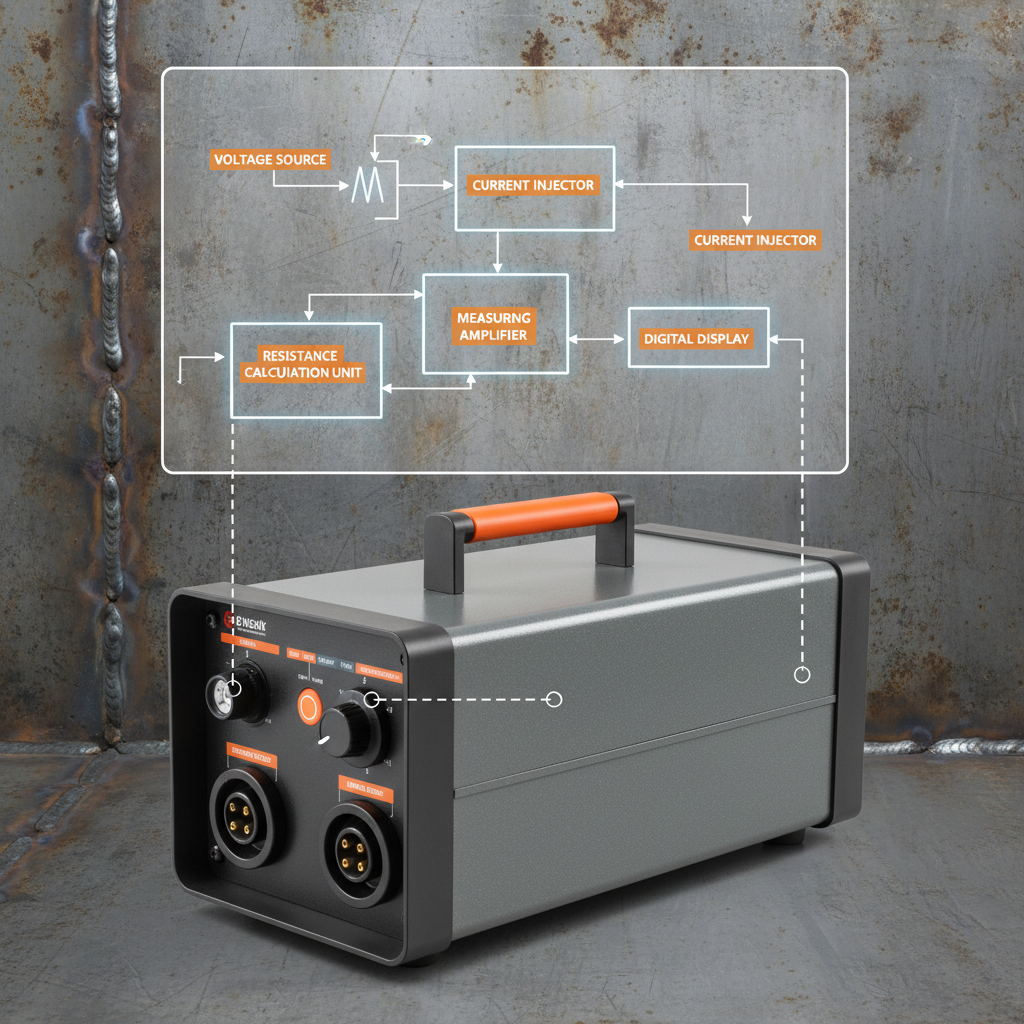 Comprehensive Guide to Loop Impedance Meter for Electrical SafetyEnsuring electrical safety is paramount in any installation, and a loop impedance meter is a crucial tool for achieving this. This device measures the total impedance of the earth fault loop, helping to verify that protective devices will operate correctly under fault conditions. In this article, we'll explore what a loop impedance meter is, how it works, its applications, factors influencing measurements, choosing the right meter, and the importance of regular testing. Investing in a quality meter from Push Tester is a step towards safer electrical systems.Ẹ̀kúnrẹ́rẹ́
 -
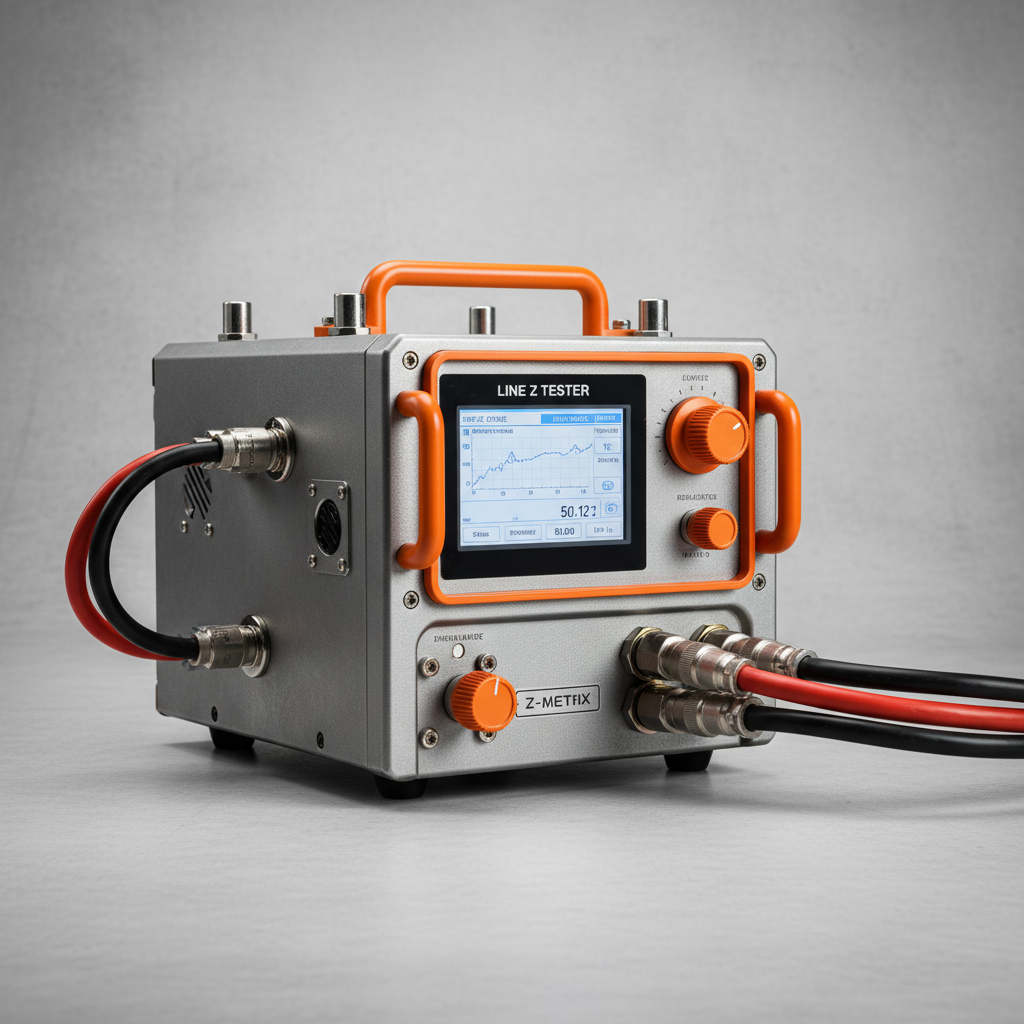 Understanding and Choosing a Line Impedance Tester for Optimal Network PerformanceIn the realm of telecommunications and electrical engineering, maintaining the integrity of transmission lines is paramount. A line impedance tester is a crucial instrument for ensuring optimal signal transmission and preventing costly network disruptions. This article delves into the world of line impedance testing, exploring its importance, applications, types of testers, and what to look for when making a purchase. Ensuring accurate impedance measurements is essential for efficient and reliable network performance. Choosing the right tester can significantly impact troubleshooting speed and the overall quality of your infrastructure. A line impedance tester, also known as a cable impedance analyzer, is a device used to measure the characteristic impedance of coaxial cables, twisted pair cables, and other transmission lines. Impedance, measured in ohms, represents the opposition to the flow of alternating current. Maintaining the correct impedance (typically 50 or 75 ohms) is vital for minimizing signal reflections, ensuring efficient power transfer, and preventing signal degradation. Mismatched impedance can lead to signal loss, ghosting, and reduced network performance. Regular testing helps identify faults and maintain network integrity.Ẹ̀kúnrẹ́rẹ́


