 IsiNgisi



-
 Afrikaans
 -
 Albanian
 -
 Amharic
 -
 Arabic
 -
 Armenian
 -
 Azerbaijani
 -
 Basque
 -
 Belarusian
 -
 Bengali
 -
 Bosnian
 -
 Bulgarian
 -
 Catalan
 -
 Cebuano
 -
 China
China -
 China (Taiwan)
 -
 Corsican
 -
 Croatian
 -
 Czech
Czech -
 Danish
 -
 Dutch
Dutch -
 English
 -
 Esperanto
 -
 Estonian
 -
 Finnish
 -
 French
 -
 Frisian
 -
 Galician
 -
 Georgian
 -
 German
 -
 Greek
Greek -
 Gujarati
 -
 Haitian Creole
 -
 hausa
hausa -
 hawaiian
 -
 Hebrew
 -
 Hindi
Hindi -
 Miao
Miao -
 Hungarian
 -
 Icelandic
 -
 igbo
igbo -
 Indonesian
 -
 irish
irish -
 Italian
 -
 Japanese
 -
 Javanese
 -
 Kannada
 -
 kazakh
 -
 Khmer
Khmer -
 Rwandese
 -
 Korean
 -
 Kurdish
 -
 Kyrgyz
 -
 Lao
Lao -
 Latin
Latin -
 Latvian
 -
 Lithuanian
 -
 Luxembourgish
 -
 Macedonian
 -
 Malgashi
 -
 Malay
Malay -
 Malayalam
 -
 Maltese
 -
 Maori
Maori -
 Marathi
 -
 Mongolian
 -
 Myanmar
 -
 Nepali
 -
 Norwegian
 -
 Norwegian
 -
 Occitan
 -
 Pashto
 -
 Persian
 -
 Polish
 -
 Portuguese
 -
 Punjabi
 -
 Romanian
 -
 Russian
 -
 Samoan
 -
 Scottish Gaelic
 -
 Serbian
 -
 Sesotho
 -
 Shona
Shona -
 Sindhi
 -
 Sinhala
 -
 Slovak
 -
 Slovenian
 -
 Somali
 -
 Spanish
 -
 Sundanese
 -
 Swahili
 -
 Swedish
 -
 Tagalog
 -
 Tajik
Tajik -
 Tamil
Tamil -
 Tatar
Tatar -
 Telugu
 -
 Thai
Thai -
 Turkish
 -
 Turkmen
 -
 Ukrainian
 -
 Urdu
Urdu -
 Uighur
 -
 Uzbek
Uzbek -
 Vietnamese
 -
 Welsh
Welsh -
 Bantu
Bantu -
 Yiddish
 -
 Yoruba
 -
 Zulu
Zulu
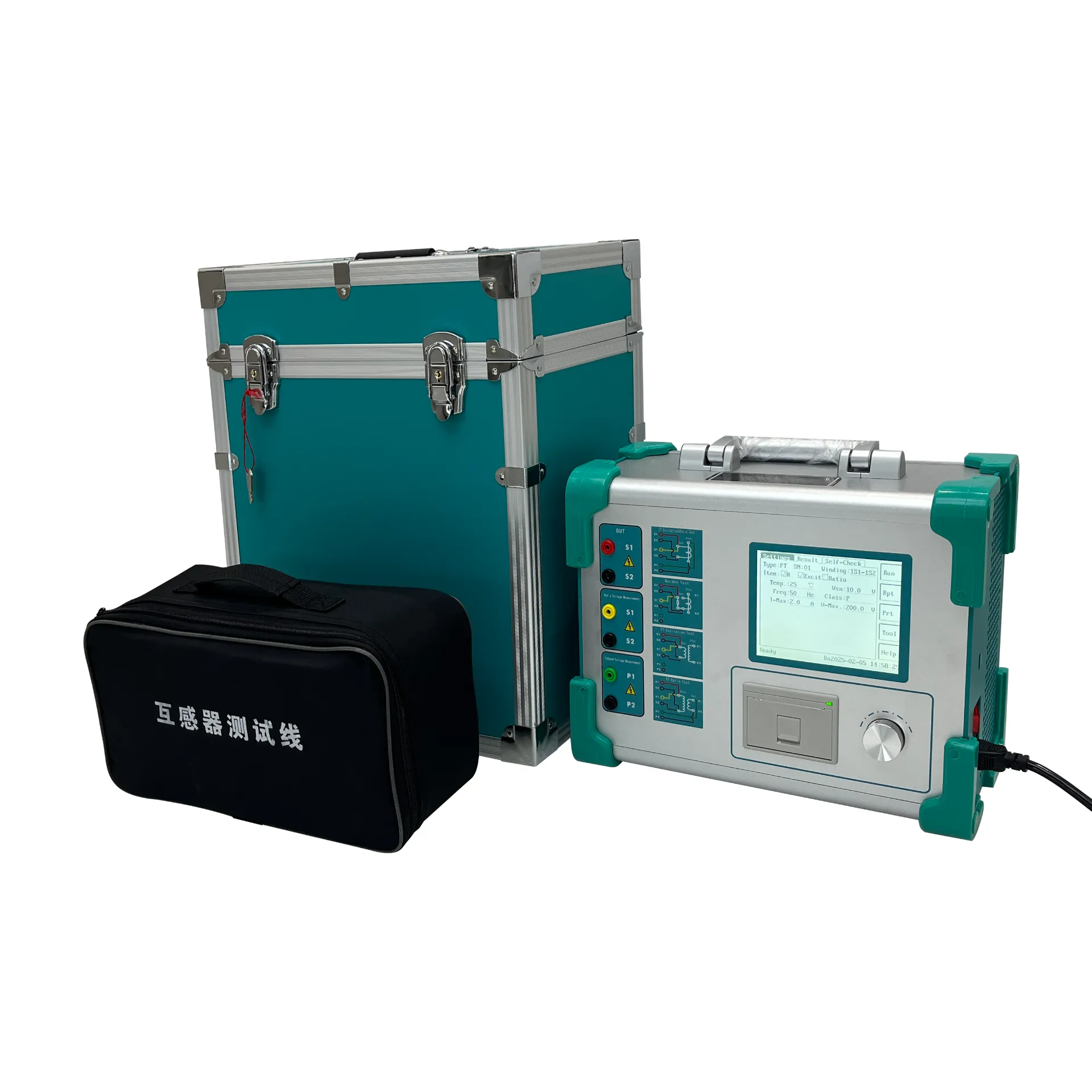
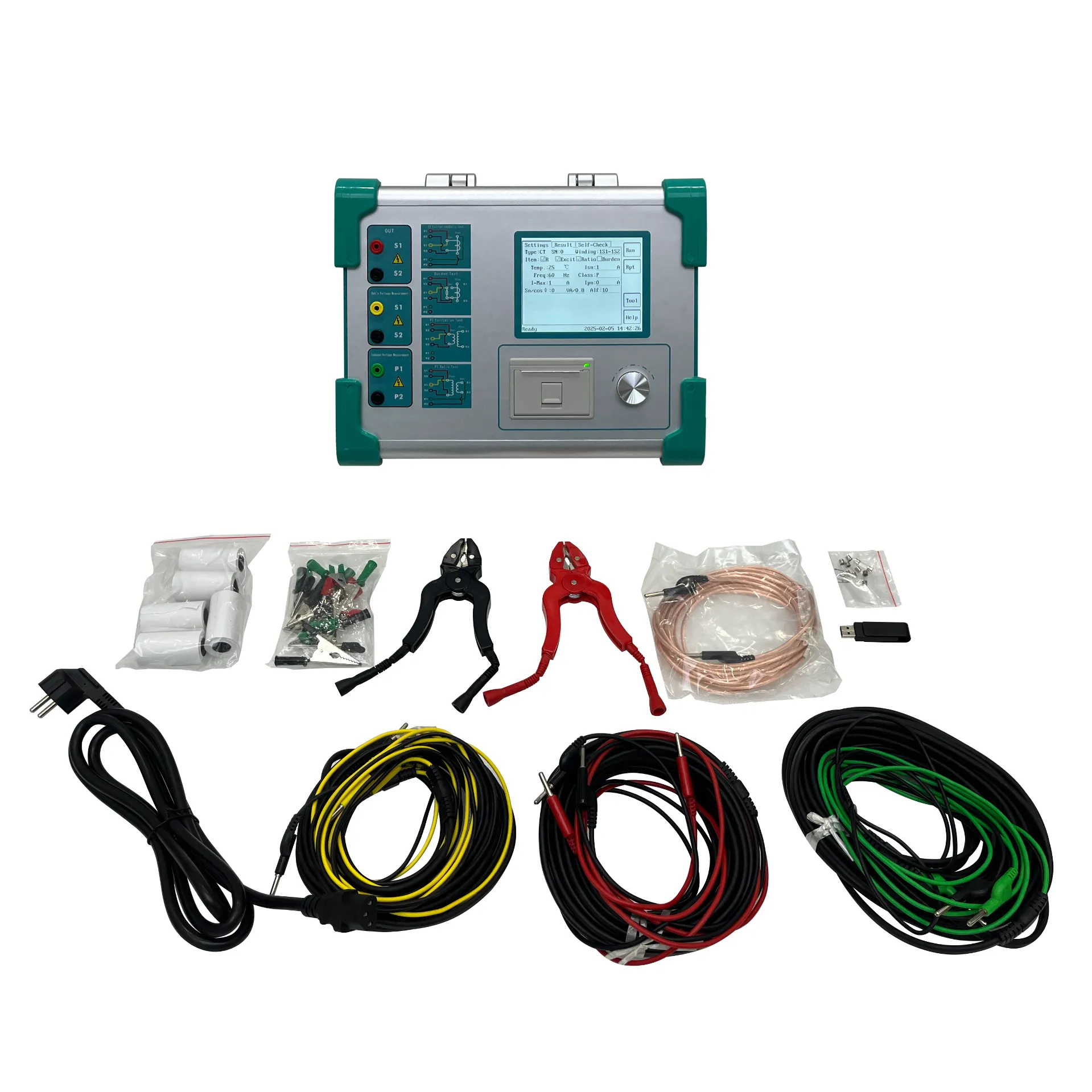
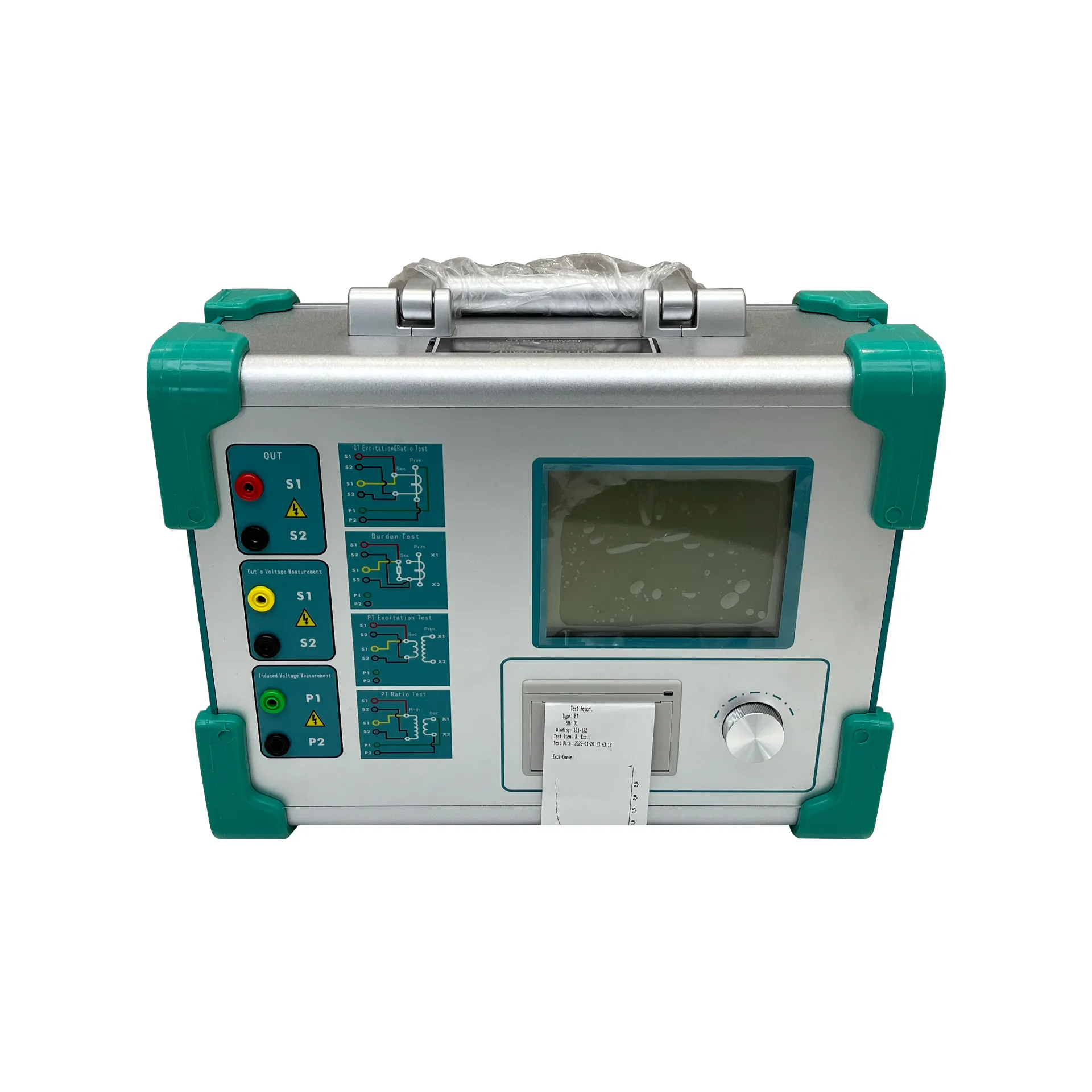
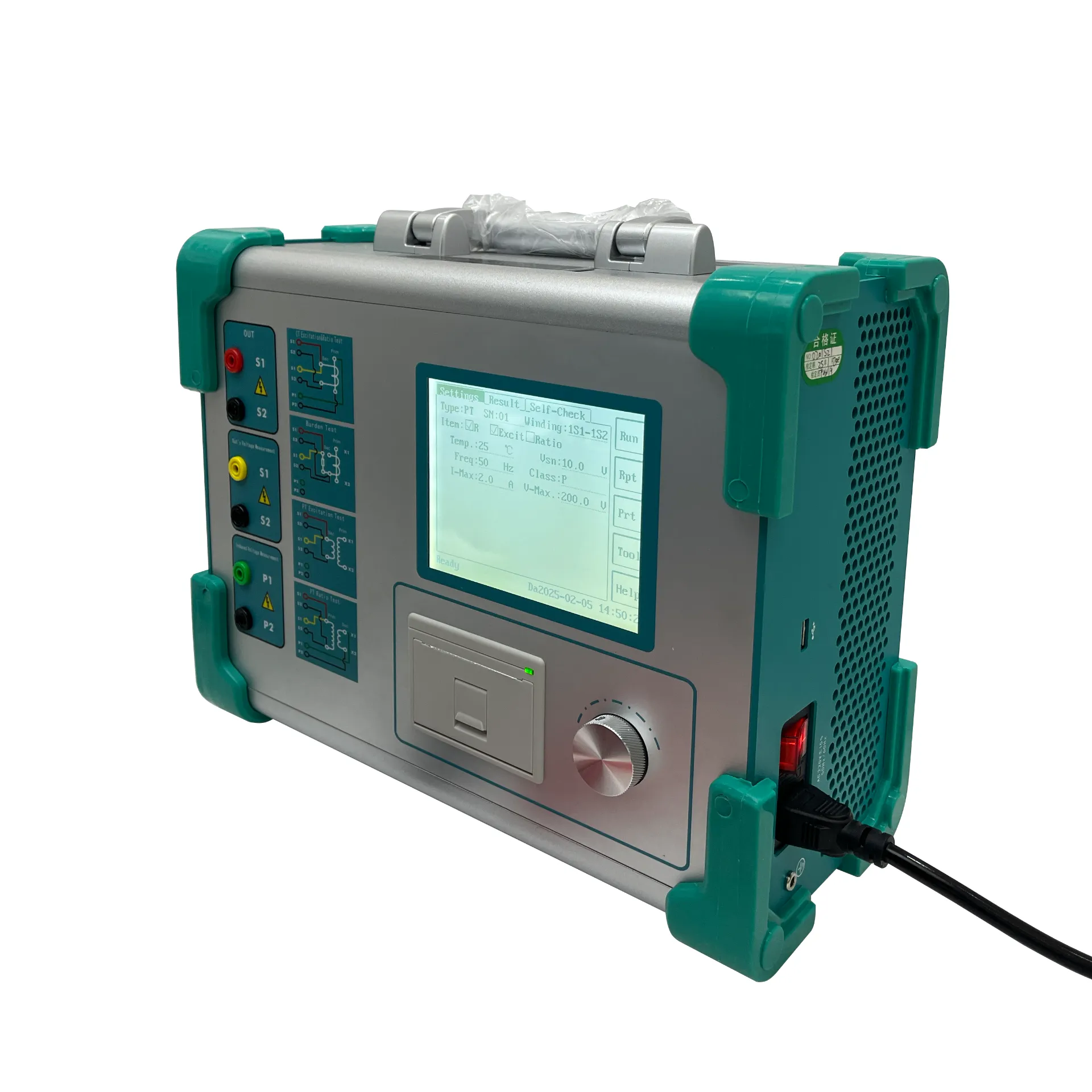
★ It has comprehensive functions, which not only meets the test requirements of excitation characteristics (V-I characteristics), ratio, polarity, secondary winding resistance, secondary load, ratio error and angle error of various CT (such as: protection, measurement and TP class), but also can be used for the test of excitation characteristics, ratio, polarity, secondary winding resistance of various PT electromagnetic units.
★ The parameters of inflection point voltage / current, 10% (5%) error curve, accurate limit coefficient (ALF), instrument security coefficient (FS), secondary time constant (Ts), residual magnetic coefficient (Kr), and saturation inductance are automatically given.
★ The test meets the standards of transformers such as GB1208 (IEC60044-1), GB16847 (IEC60044-6), GB1207, etc., and is automatically selected according to the transformer type and level.
★ Based on the advanced low-frequency method test principle, it can deal with CT tests with inflection points of up to 80KV.
★ The instrument adopts the international popular square wave method to make the excitation curve more perfect.
★ The instrument can store 3000 sets of test data, power loss without loss.
★ The test is simple and convenient, to complete the CT direct resistance, excitation, ratio and polarity test with one key, and in addition to the load test, CT adopts the same wiring test.
★ Easy to carry, the instrument weighs about 7Kg.
|
Input power voltage |
AC 100~264V,50/60Hz |
|
Okukhiphayo |
0~180V rms, 12A rms, 36A (peak) |
|
Voltage measurement accuracy |
Range: 2~200Vrms, precision: ± 0.1% |
|
CT variation ratio measurements |
Range: 1~40000, precision: ± 0.05% |
|
PT variation ratio measurements |
Range: 1~40000, precision: ± 0.1% |
|
Isilinganiso sesigaba |
Precision: ± 2min, resolution: 0.5min |
|
Turbine resistance measurement |
Range: 0~300 Ω, precision: 0.2% ± 2m |
|
Isilinganiso somthwalo we-AC |
Range: 0~1000VA, precision: 0.2%±0.02VA |
|
Indawo yokusebenza |
temperature:-20οC~50οC, humidity: 90% |
|
Size, weight |
Dimensions: 340 mm 260 mm 140mm, weight <7.5kg |
ct and pt testing
ct pt analyzer
ct pt test
ct pt tester
ct pt testing equipment
pt transformer testing
transformer ct testing
-
 Find the Best Loop Impedance Tester for Sale and Ensure Electrical SafetyWhen ensuring electrical safety, accurate loop impedance testing is crucial. Whether you’re an electrician, a facilities manager, or a safety inspector, having a reliable loop impedance tester for sale is essential. This article will guide you through the key considerations when purchasing a loop impedance tester, explore the different types available, and highlight the benefits of choosing a high-quality instrument. Understanding the nuances of these testers will help you make an informed decision and ensure compliance with safety regulations.Imininingwane
 -
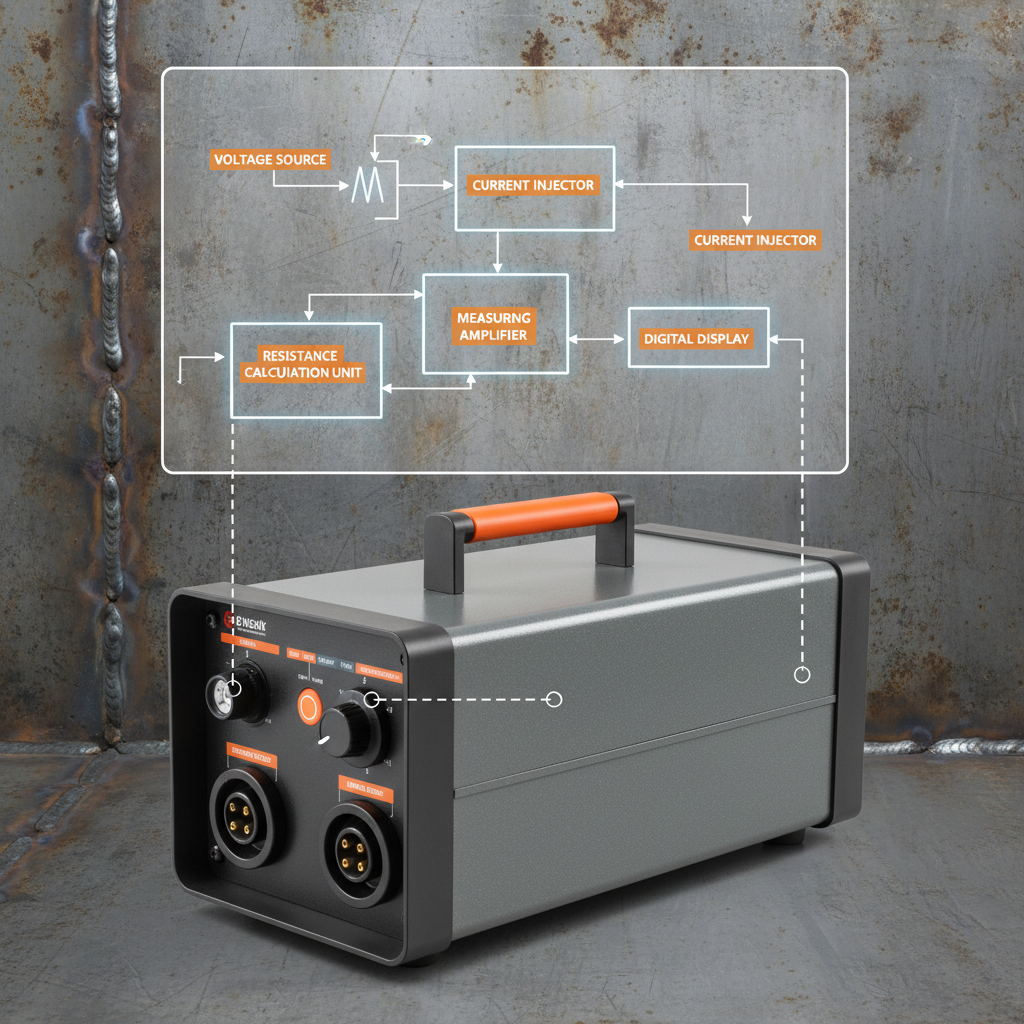 Comprehensive Guide to Loop Impedance Meter for Electrical SafetyEnsuring electrical safety is paramount in any installation, and a loop impedance meter is a crucial tool for achieving this. This device measures the total impedance of the earth fault loop, helping to verify that protective devices will operate correctly under fault conditions. In this article, we'll explore what a loop impedance meter is, how it works, its applications, factors influencing measurements, choosing the right meter, and the importance of regular testing. Investing in a quality meter from Push Tester is a step towards safer electrical systems.Imininingwane
 -
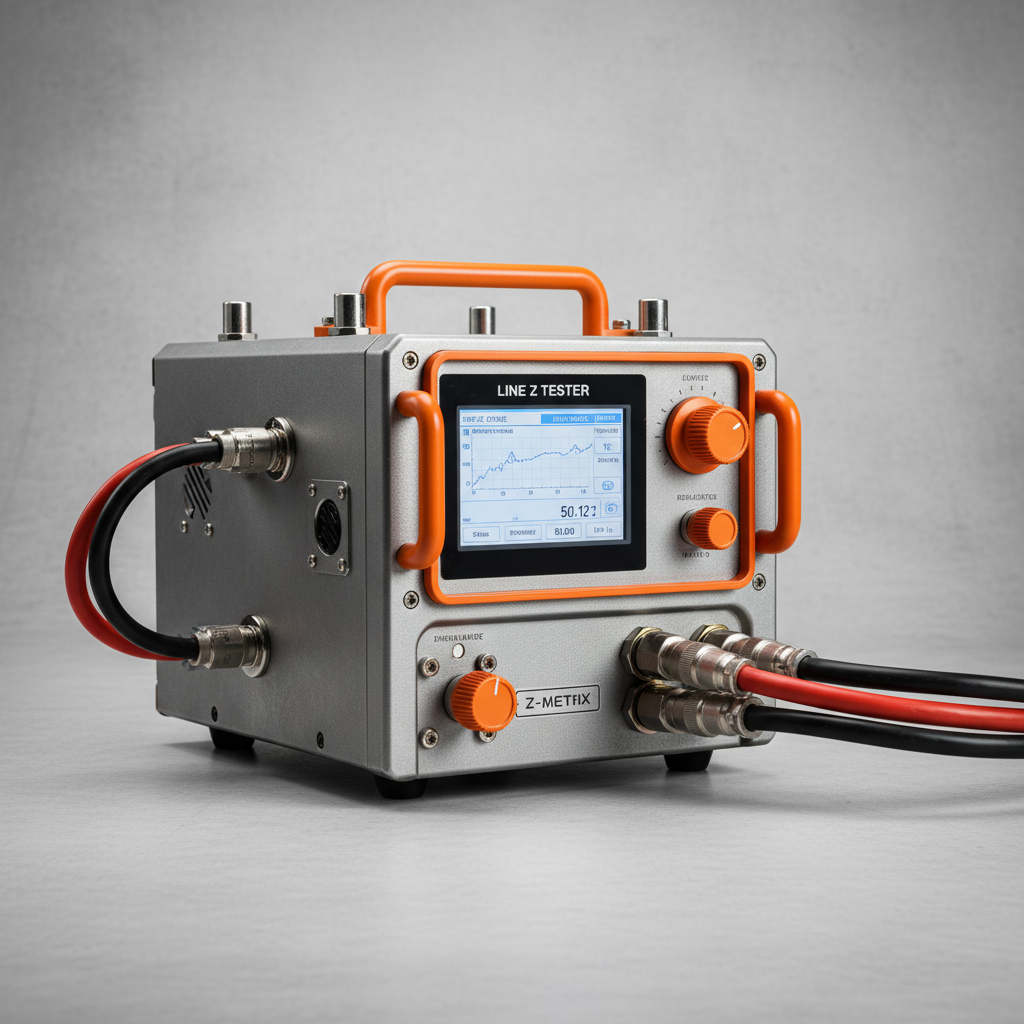 Understanding and Choosing a Line Impedance Tester for Optimal Network PerformanceIn the realm of telecommunications and electrical engineering, maintaining the integrity of transmission lines is paramount. A line impedance tester is a crucial instrument for ensuring optimal signal transmission and preventing costly network disruptions. This article delves into the world of line impedance testing, exploring its importance, applications, types of testers, and what to look for when making a purchase. Ensuring accurate impedance measurements is essential for efficient and reliable network performance. Choosing the right tester can significantly impact troubleshooting speed and the overall quality of your infrastructure. A line impedance tester, also known as a cable impedance analyzer, is a device used to measure the characteristic impedance of coaxial cables, twisted pair cables, and other transmission lines. Impedance, measured in ohms, represents the opposition to the flow of alternating current. Maintaining the correct impedance (typically 50 or 75 ohms) is vital for minimizing signal reflections, ensuring efficient power transfer, and preventing signal degradation. Mismatched impedance can lead to signal loss, ghosting, and reduced network performance. Regular testing helps identify faults and maintain network integrity.Imininingwane


