TEL:
+86-0312-3189593
 Pelekania


Kelepona:0312-3189593

leka uila:sales@oil-tester.com
-
 Afrikaans
 -
 Albanian
 -
 Amharic
 -
 Arabic
 -
 Armenian
 -
 Azerbaijani
 -
 Basque
 -
 Belarusian
 -
 Bengali
 -
 Bosnian
 -
 Bulgarian
 -
 Catalan
 -
 Cebuano
 -
 China
China -
 China (Taiwan)
 -
 Corsican
 -
 Croatian
 -
 Czech
Czech -
 Danish
 -
 Dutch
Dutch -
 English
 -
 Esperanto
 -
 Estonian
 -
 Finnish
 -
 French
 -
 Frisian
 -
 Galician
 -
 Georgian
 -
 German
 -
 Greek
Greek -
 Gujarati
 -
 Haitian Creole
 -
 hausa
hausa -
 hawaiian
 -
 Hebrew
 -
 Hindi
Hindi -
 Miao
Miao -
 Hungarian
 -
 Icelandic
 -
 igbo
igbo -
 Indonesian
 -
 irish
irish -
 Italian
 -
 Japanese
 -
 Javanese
 -
 Kannada
 -
 kazakh
 -
 Khmer
Khmer -
 Rwandese
 -
 Korean
 -
 Kurdish
 -
 Kyrgyz
 -
 Lao
Lao -
 Latin
Latin -
 Latvian
 -
 Lithuanian
 -
 Luxembourgish
 -
 Macedonian
 -
 Malgashi
 -
 Malay
Malay -
 Malayalam
 -
 Maltese
 -
 Maori
Maori -
 Marathi
 -
 Mongolian
 -
 Myanmar
 -
 Nepali
 -
 Norwegian
 -
 Norwegian
 -
 Occitan
 -
 Pashto
 -
 Persian
 -
 Polish
 -
 Portuguese
 -
 Punjabi
 -
 Romanian
 -
 Russian
 -
 Samoan
 -
 Scottish Gaelic
 -
 Serbian
 -
 Sesotho
 -
 Shona
Shona -
 Sindhi
 -
 Sinhala
 -
 Slovak
 -
 Slovenian
 -
 Somali
 -
 Spanish
 -
 Sundanese
 -
 Swahili
 -
 Swedish
 -
 Tagalog
 -
 Tajik
Tajik -
 Tamil
Tamil -
 Tatar
Tatar -
 Telugu
 -
 Thai
Thai -
 Turkish
 -
 Turkmen
 -
 Ukrainian
 -
 Urdu
Urdu -
 Uighur
 -
 Uzbek
Uzbek -
 Vietnamese
 -
 Welsh
Welsh -
 Bantu
Bantu -
 Yiddish
 -
 Yoruba
 -
 Zulu
Zulu
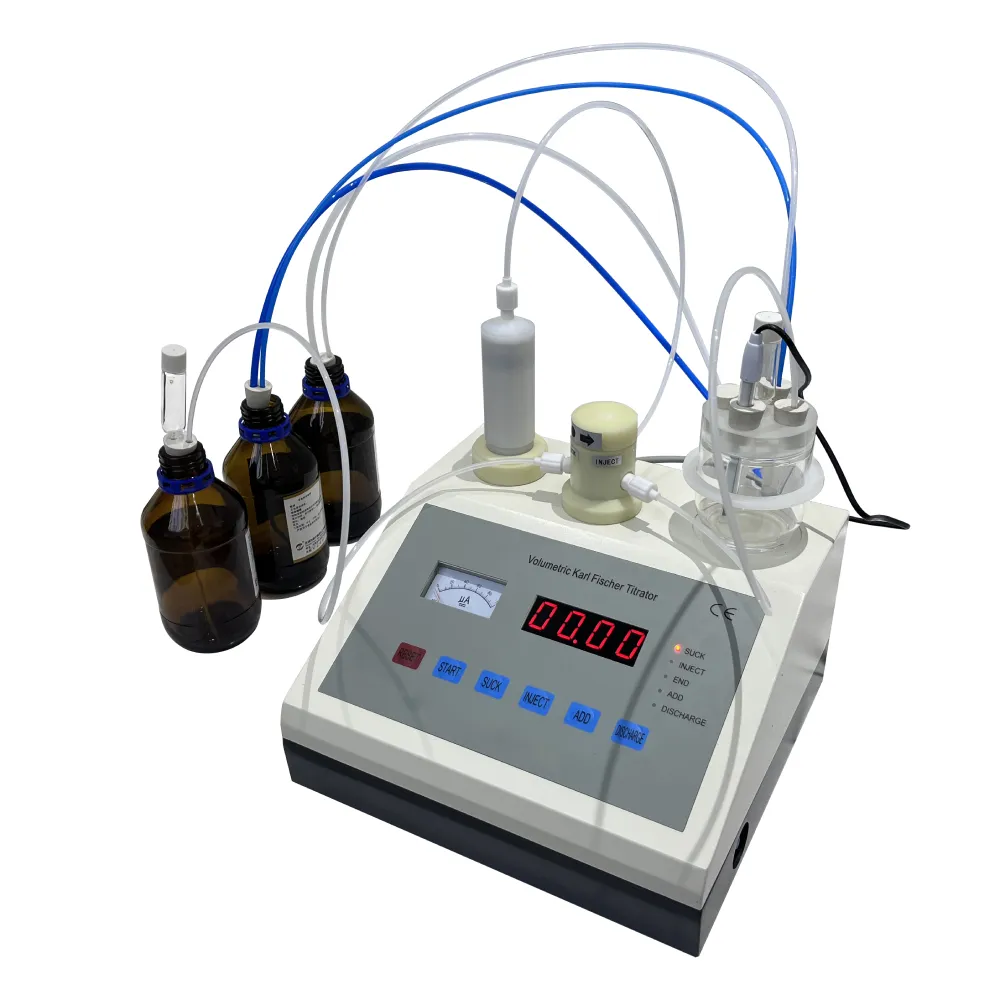
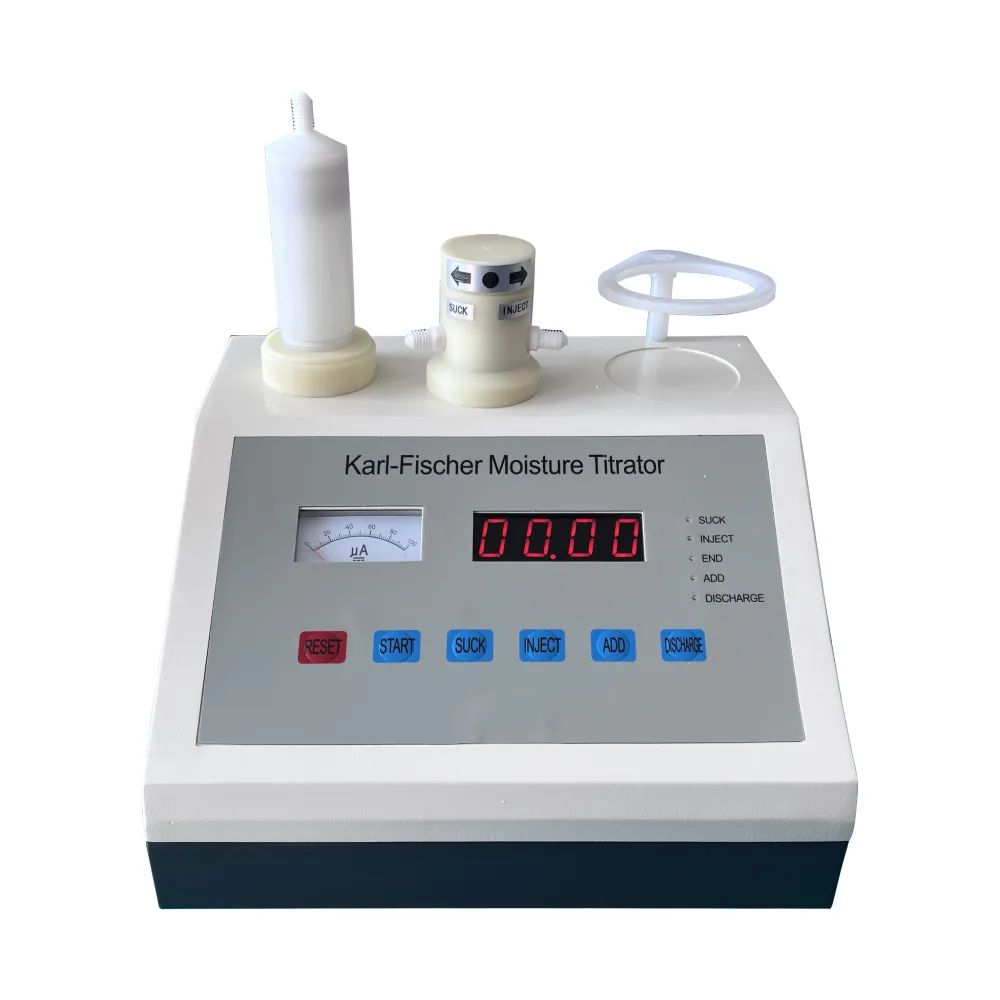
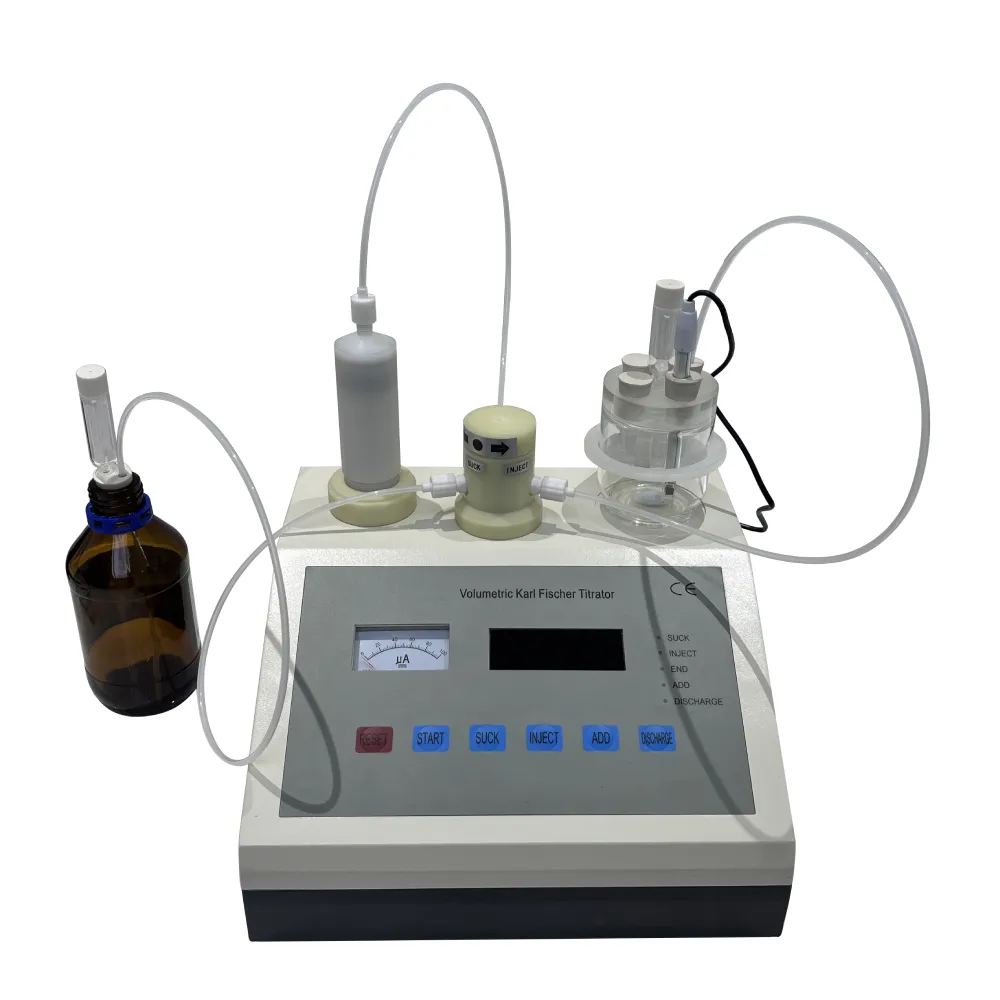
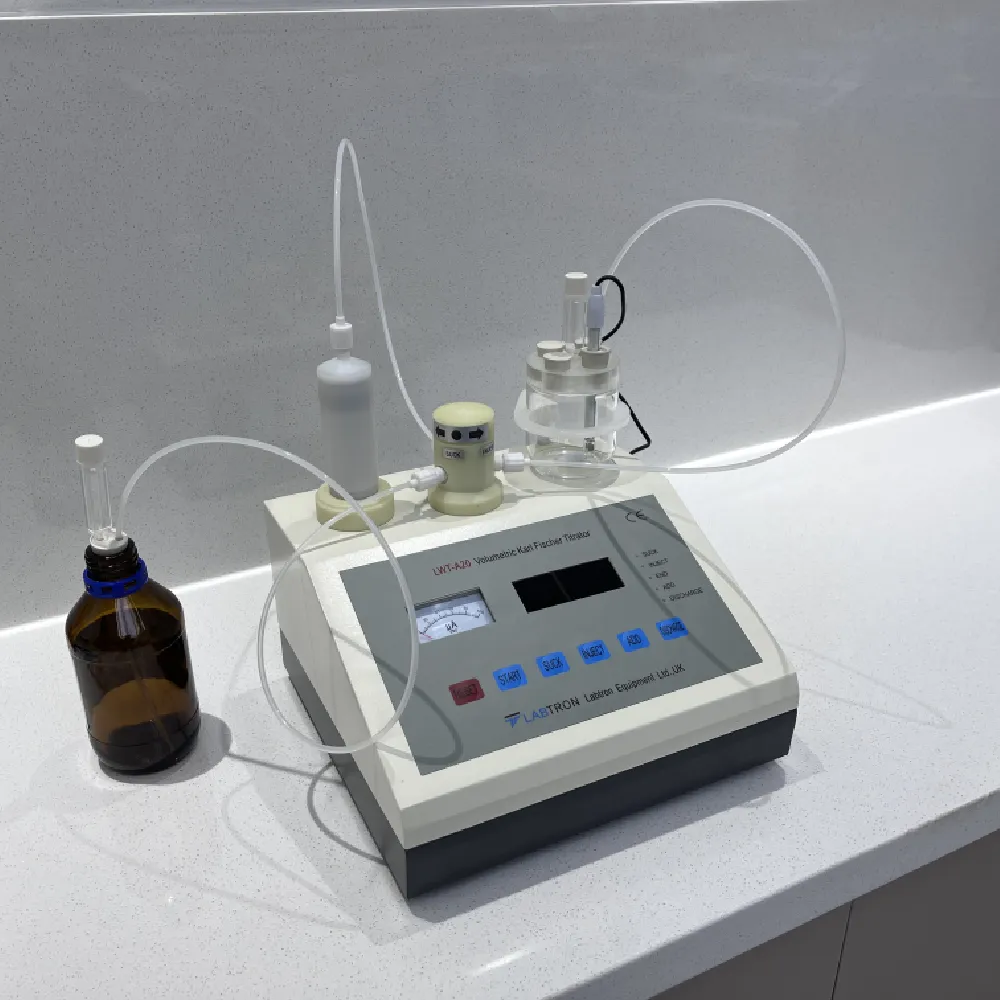
Huahana Kūʻai Point Introduction
- 1. Hoʻohui hou i ka hana dripping wikiwiki, me ka hoʻohana ʻana i ka electrode polarization voltage e hoʻomalu i ka wikiwiki o ka dripping, he ʻumi kekona wale nō ke ana i kahi hāpana;
2. ʻO ka ammeter hou i hoʻohui ʻia e ʻoi aku ka intuitive i ke kaʻina hana titration;
3.ʻO ke ala wai holoʻokoʻa i hanaʻia i nā mea kūikawā me ka maikaʻi o ka corrosion kū'ē, e hōʻoia ana i ka hana mau loa;
4.E hoʻohana i ka uila polarization electrode e hoʻokolokolo a hōʻike i ka hopena hopena a hoʻopau i ka titration;
5.Fully paʻa pūnaewele e pale i ka infiltration o ka makū kaiapuni;
6. Ke hoʻohana nei i ka hoʻāʻo maʻamau (solvent) nā pāpale omole e like me nā mea hoʻohui no ka hoʻololi maʻalahi;
7.Press i nā kī hana kūpono, a hiki i ka mea kani ke hoʻomaopopo: inhalation solvent, ana, hōʻike ʻike hope (alarm), hoʻokuʻu wai ʻōpala, a me ka hoʻoulu ʻana;
8.PS-KF106V1 'akomi wikiwiki Karl Fischer moisture analyzer apono i ka mea ho'ohui kūikawā'ōmole'ōmole, hiki ke ho'ohana i ka pyridine ma'amau a me ka pyridine-free reagents;
9.PS-KF106V1 'akomi a me ka wikiwiki Karl Fischer moisture analyzer adopts kiʻekiʻe-'ālohilohi kikohoʻe paipu a me ka maopopo hōʻike;
10. Inā hewa ka hana, hiki iā ʻoe ke hoʻopau koke a hoʻomaka hou i ka hana;
11.Adopt i hoʻopaʻa paʻa paʻa hoʻolālā paipu nenoaiu e pale aku i ka mahuka o nā kinoea kinoea, e hoomalu i ke kaiapuni a me ke ola kino, a me ka mea kani holo smoothly a me ka leo ole;
Nā mea noi:
ʻO nā lāʻau lapaʻau, nā kemika organik, nā kemika inorganic, nā petrochemical, nā mea kanu, nā pesticides, nā mea ʻulaʻula, nā uhi, nā meaʻai a me nā mea inu, surfactants, cosmetics, etc.
Nā Kūlana Huahana
1. Ke ana ʻana: 30ppm-100% (H2O mass fraction)
2.Resolution: 0.01ml
3.Malu titration repeatability: ≤0.01
4.Linear correlation coefficient o ka wai titration: ≥0.998
5.Kahi hewa≤±0.002
6.Instrument burette hiki: oi aku mamua o 25ml
7.Sensitivity: 10-6A
wikiō
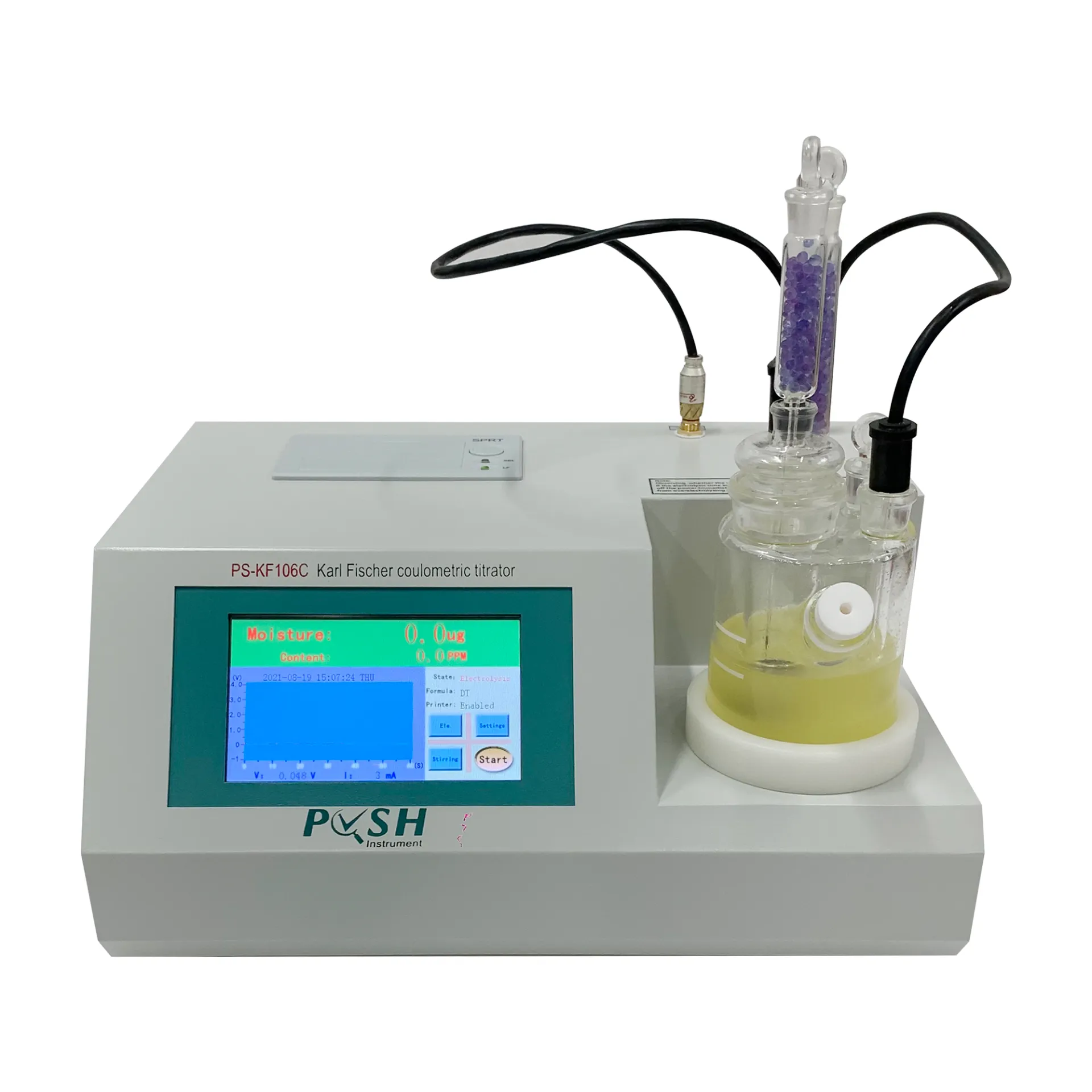
karl fischer auto titrator
karl fischer moisture titrator
karl fischer volumetric titration
moisture tester
oil moisture tester
transformer oil moisture tester
E kākau i kāu leka ma aneʻi a hoʻouna mai iā mākou
Pili Nūhou
-
 Find the Best Loop Impedance Tester for Sale and Ensure Electrical SafetyWhen ensuring electrical safety, accurate loop impedance testing is crucial. Whether you’re an electrician, a facilities manager, or a safety inspector, having a reliable loop impedance tester for sale is essential. This article will guide you through the key considerations when purchasing a loop impedance tester, explore the different types available, and highlight the benefits of choosing a high-quality instrument. Understanding the nuances of these testers will help you make an informed decision and ensure compliance with safety regulations.kikoʻī
 -
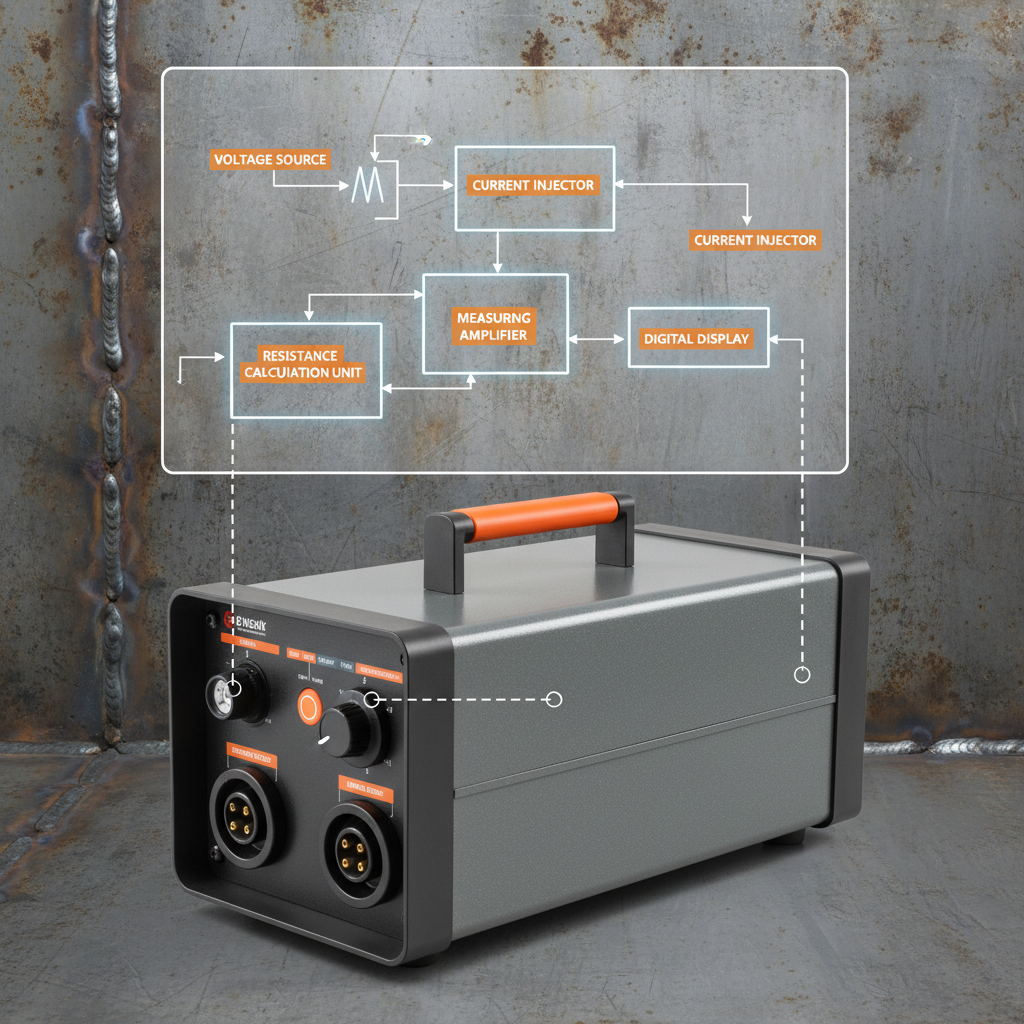 Comprehensive Guide to Loop Impedance Meter for Electrical SafetyEnsuring electrical safety is paramount in any installation, and a loop impedance meter is a crucial tool for achieving this. This device measures the total impedance of the earth fault loop, helping to verify that protective devices will operate correctly under fault conditions. In this article, we'll explore what a loop impedance meter is, how it works, its applications, factors influencing measurements, choosing the right meter, and the importance of regular testing. Investing in a quality meter from Push Tester is a step towards safer electrical systems.kikoʻī
 -
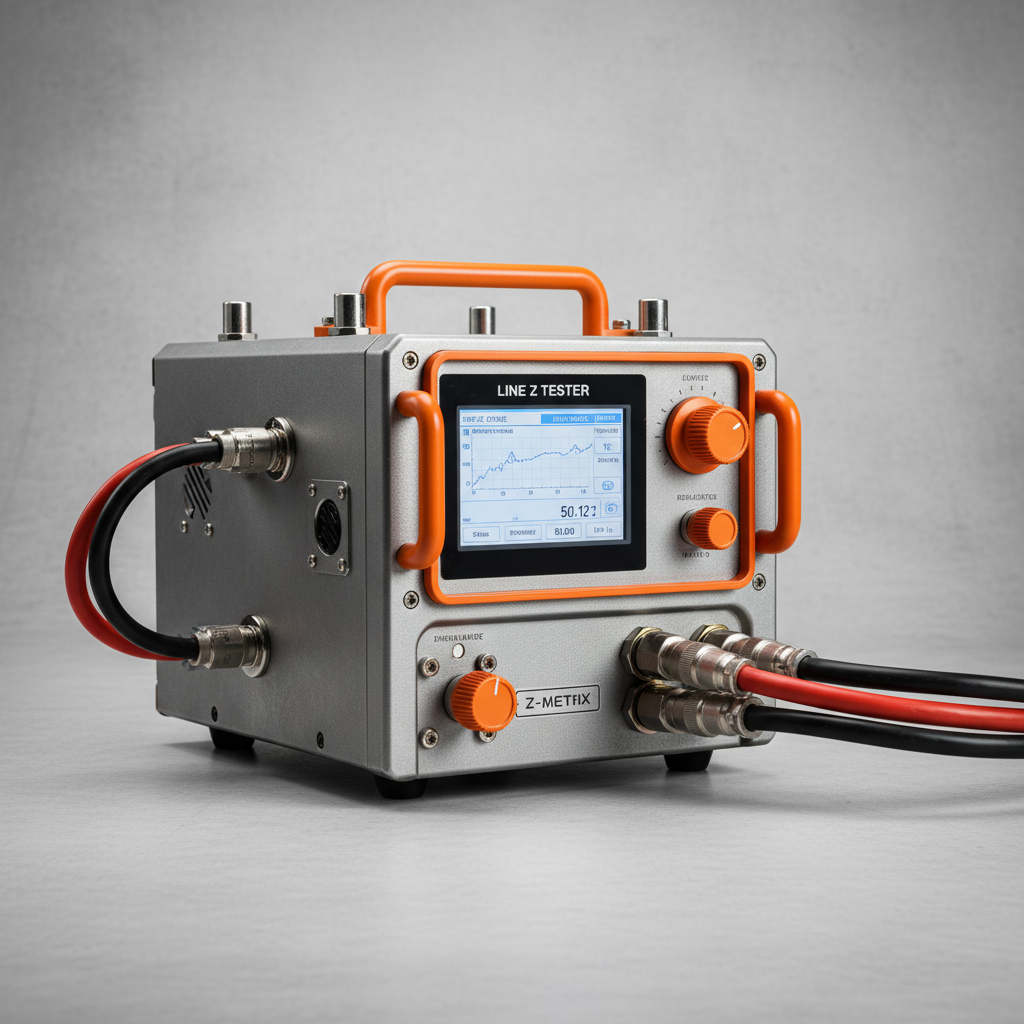 Understanding and Choosing a Line Impedance Tester for Optimal Network PerformanceIn the realm of telecommunications and electrical engineering, maintaining the integrity of transmission lines is paramount. A line impedance tester is a crucial instrument for ensuring optimal signal transmission and preventing costly network disruptions. This article delves into the world of line impedance testing, exploring its importance, applications, types of testers, and what to look for when making a purchase. Ensuring accurate impedance measurements is essential for efficient and reliable network performance. Choosing the right tester can significantly impact troubleshooting speed and the overall quality of your infrastructure. A line impedance tester, also known as a cable impedance analyzer, is a device used to measure the characteristic impedance of coaxial cables, twisted pair cables, and other transmission lines. Impedance, measured in ohms, represents the opposition to the flow of alternating current. Maintaining the correct impedance (typically 50 or 75 ohms) is vital for minimizing signal reflections, ensuring efficient power transfer, and preventing signal degradation. Mismatched impedance can lead to signal loss, ghosting, and reduced network performance. Regular testing helps identify faults and maintain network integrity.kikoʻī


