 Turanci



-
 Afrikaans
 -
 Albanian
 -
 Amharic
 -
 Arabic
 -
 Armenian
 -
 Azerbaijani
 -
 Basque
 -
 Belarusian
 -
 Bengali
 -
 Bosnian
 -
 Bulgarian
 -
 Catalan
 -
 Cebuano
 -
 China
China -
 China (Taiwan)
 -
 Corsican
 -
 Croatian
 -
 Czech
Czech -
 Danish
 -
 Dutch
Dutch -
 English
 -
 Esperanto
 -
 Estonian
 -
 Finnish
 -
 French
 -
 Frisian
 -
 Galician
 -
 Georgian
 -
 German
 -
 Greek
Greek -
 Gujarati
 -
 Haitian Creole
 -
 hausa
hausa -
 hawaiian
 -
 Hebrew
 -
 Hindi
Hindi -
 Miao
Miao -
 Hungarian
 -
 Icelandic
 -
 igbo
igbo -
 Indonesian
 -
 irish
irish -
 Italian
 -
 Japanese
 -
 Javanese
 -
 Kannada
 -
 kazakh
 -
 Khmer
Khmer -
 Rwandese
 -
 Korean
 -
 Kurdish
 -
 Kyrgyz
 -
 Lao
Lao -
 Latin
Latin -
 Latvian
 -
 Lithuanian
 -
 Luxembourgish
 -
 Macedonian
 -
 Malgashi
 -
 Malay
Malay -
 Malayalam
 -
 Maltese
 -
 Maori
Maori -
 Marathi
 -
 Mongolian
 -
 Myanmar
 -
 Nepali
 -
 Norwegian
 -
 Norwegian
 -
 Occitan
 -
 Pashto
 -
 Persian
 -
 Polish
 -
 Portuguese
 -
 Punjabi
 -
 Romanian
 -
 Russian
 -
 Samoan
 -
 Scottish Gaelic
 -
 Serbian
 -
 Sesotho
 -
 Shona
Shona -
 Sindhi
 -
 Sinhala
 -
 Slovak
 -
 Slovenian
 -
 Somali
 -
 Spanish
 -
 Sundanese
 -
 Swahili
 -
 Swedish
 -
 Tagalog
 -
 Tajik
Tajik -
 Tamil
Tamil -
 Tatar
Tatar -
 Telugu
 -
 Thai
Thai -
 Turkish
 -
 Turkmen
 -
 Ukrainian
 -
 Urdu
Urdu -
 Uighur
 -
 Uzbek
Uzbek -
 Vietnamese
 -
 Welsh
Welsh -
 Bantu
Bantu -
 Yiddish
 -
 Yoruba
 -
 Zulu
Zulu
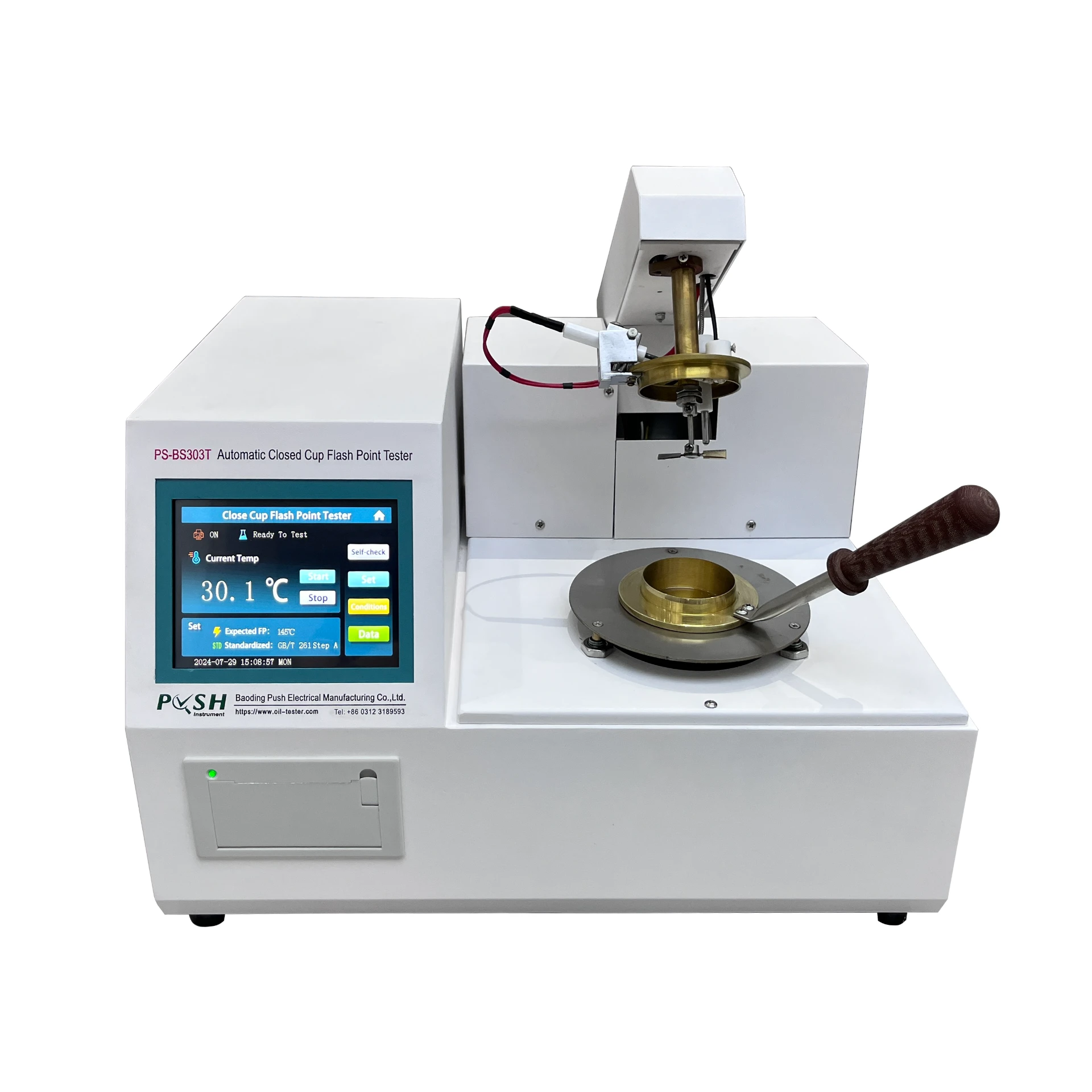
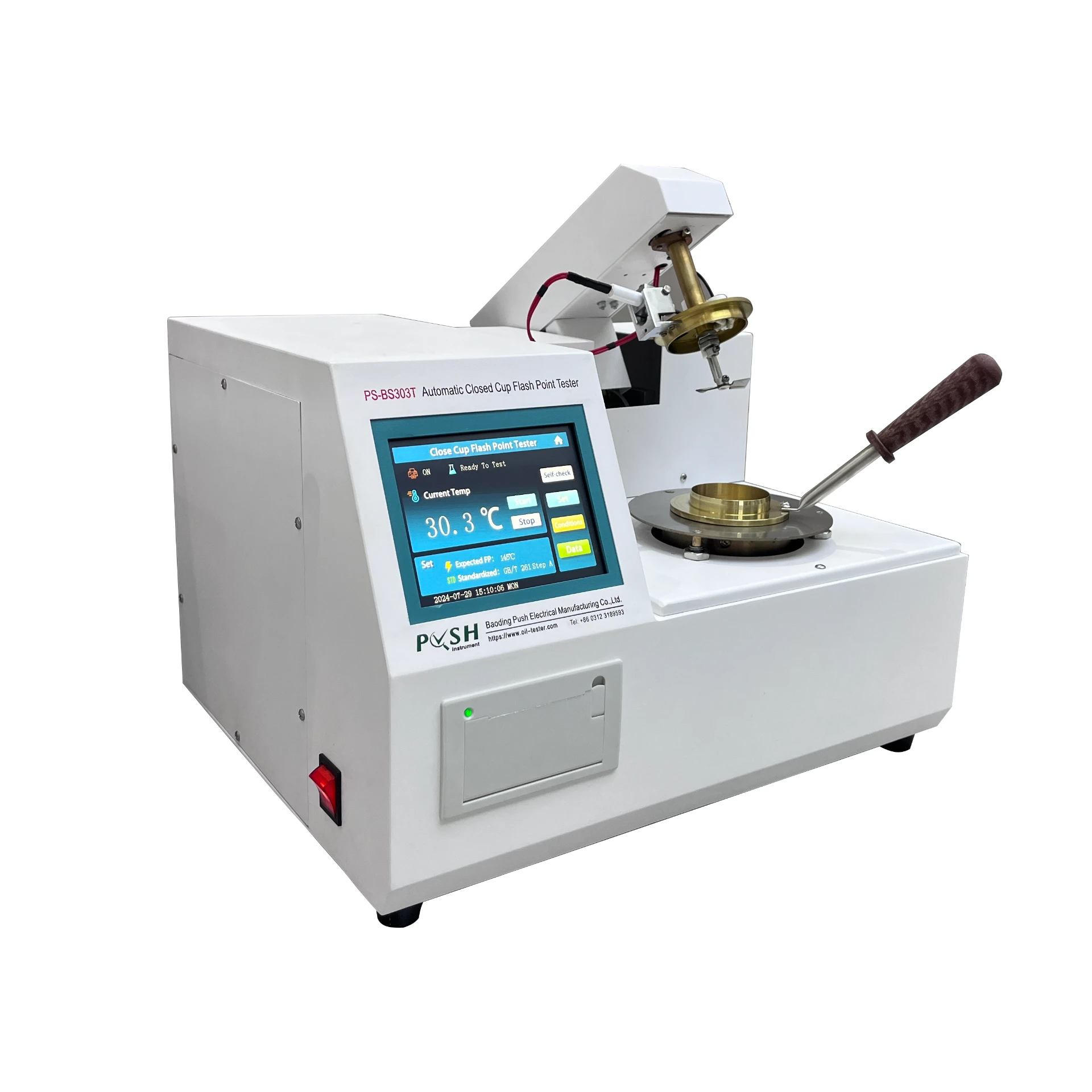
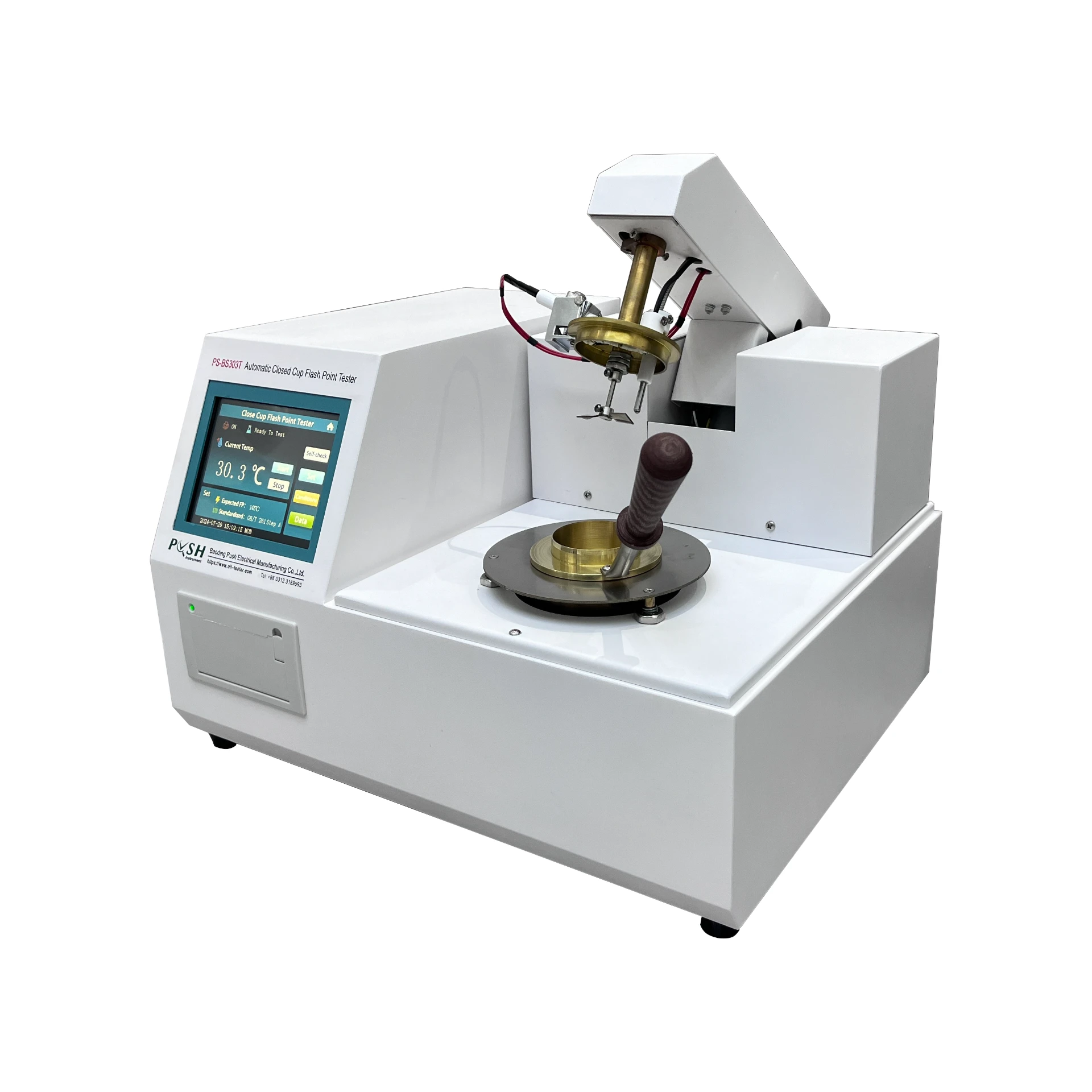
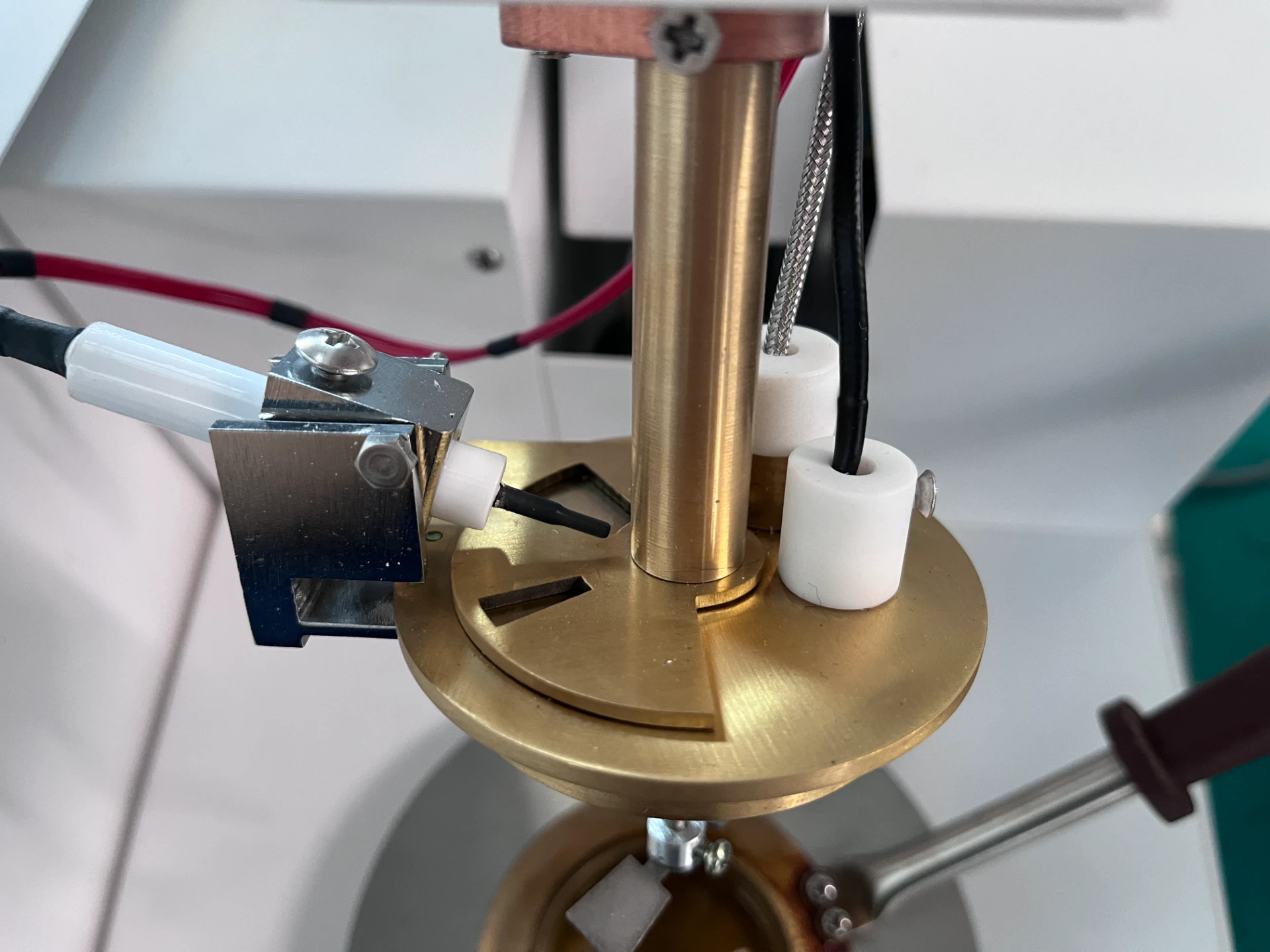
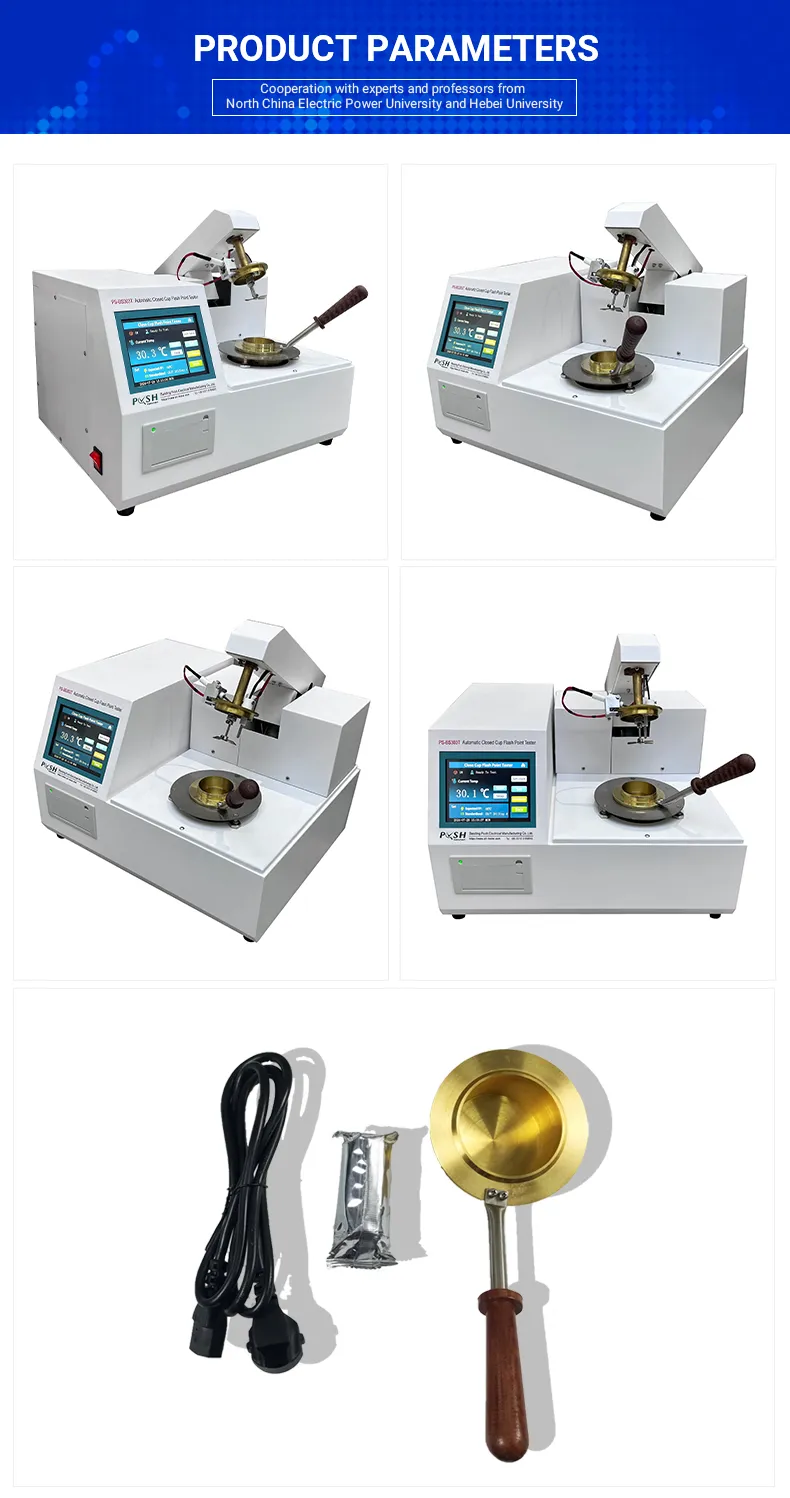
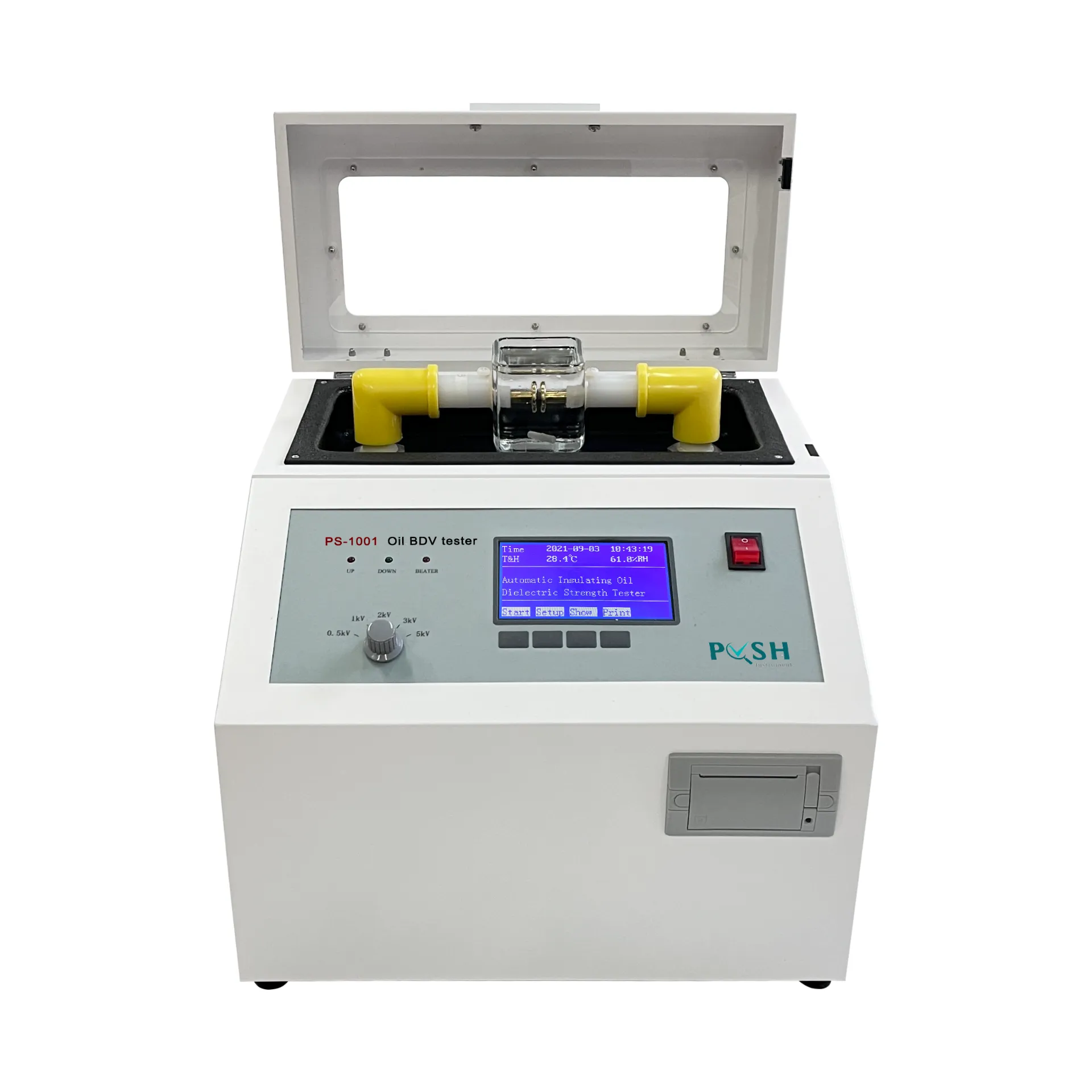
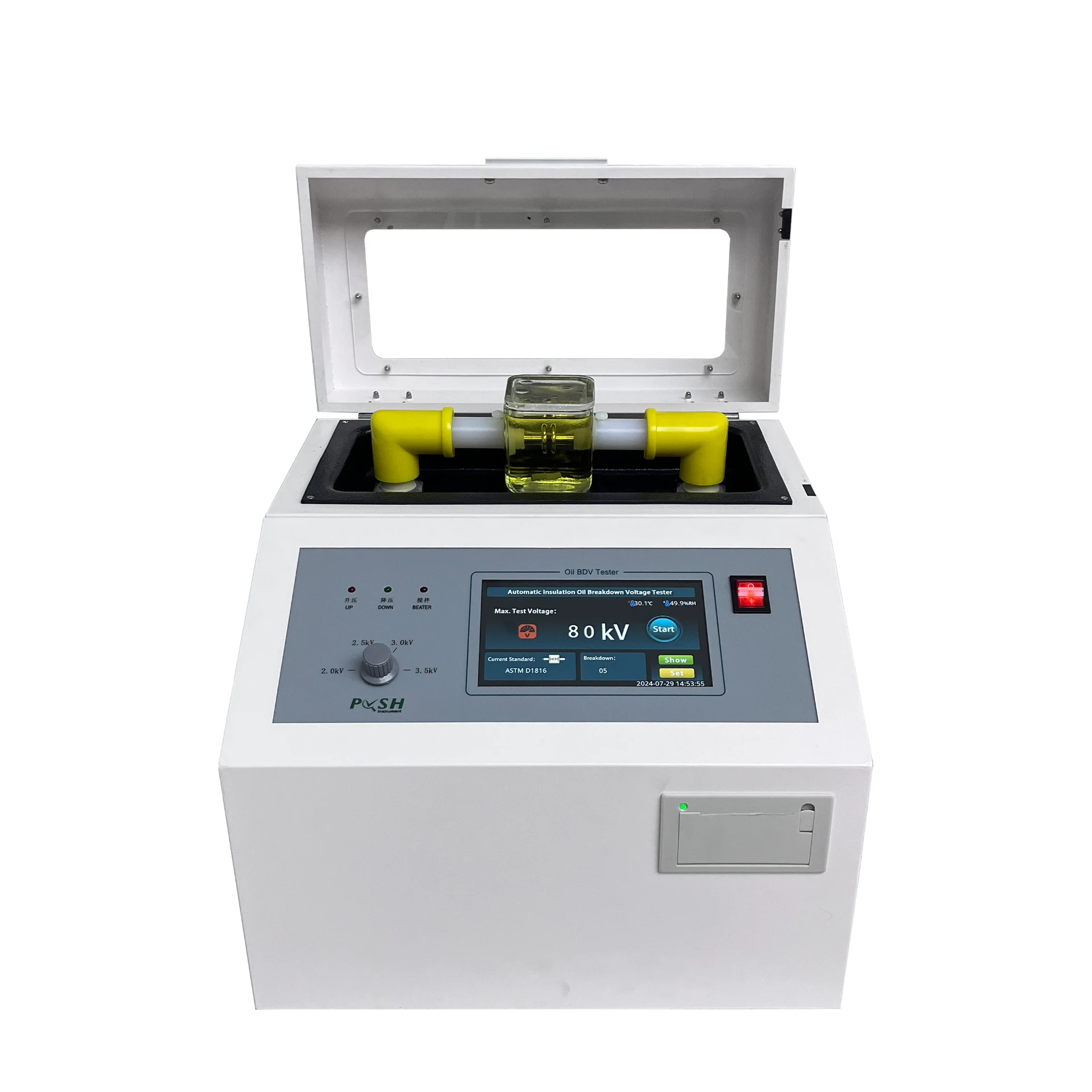
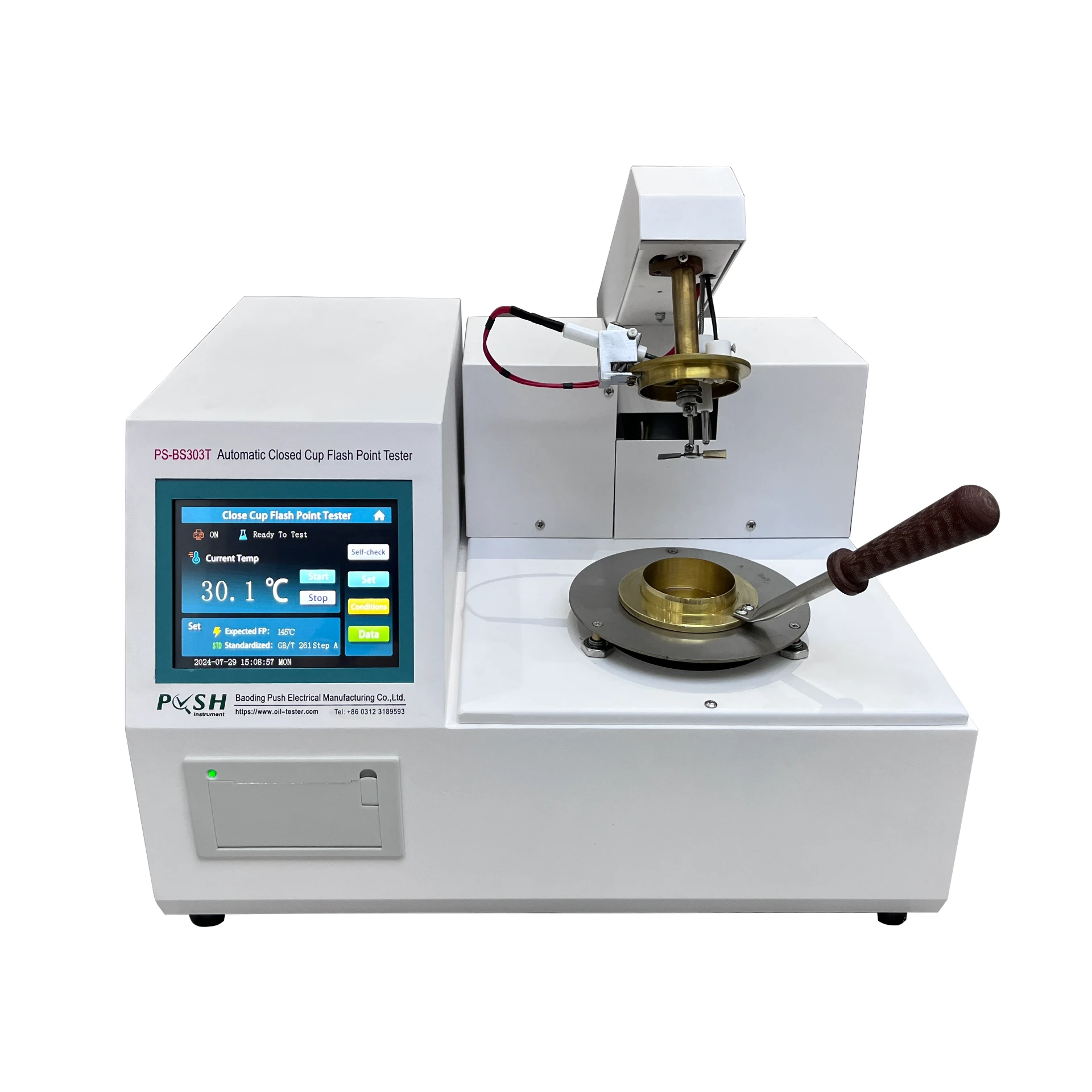
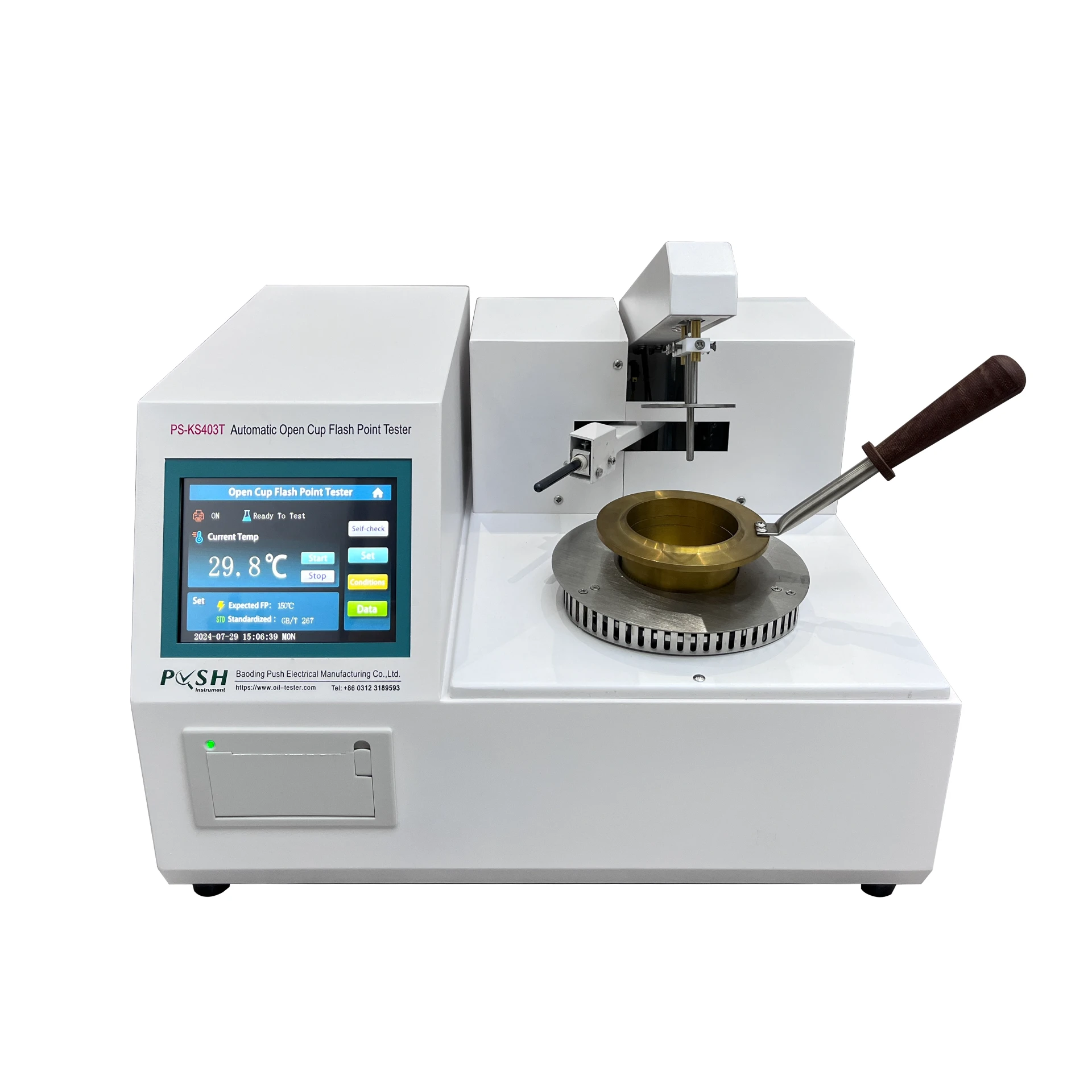
1, The sabon high gudun dijital siginar processor yana da babban AMINCI da high AMINCI;
2, The aiki ne mai sauki, gwaji, budewa, ƙonewa, ƙararrawa, sanyaya, bugu, da kuma dukan auna aiwatar da aka kammala ta atomatik;
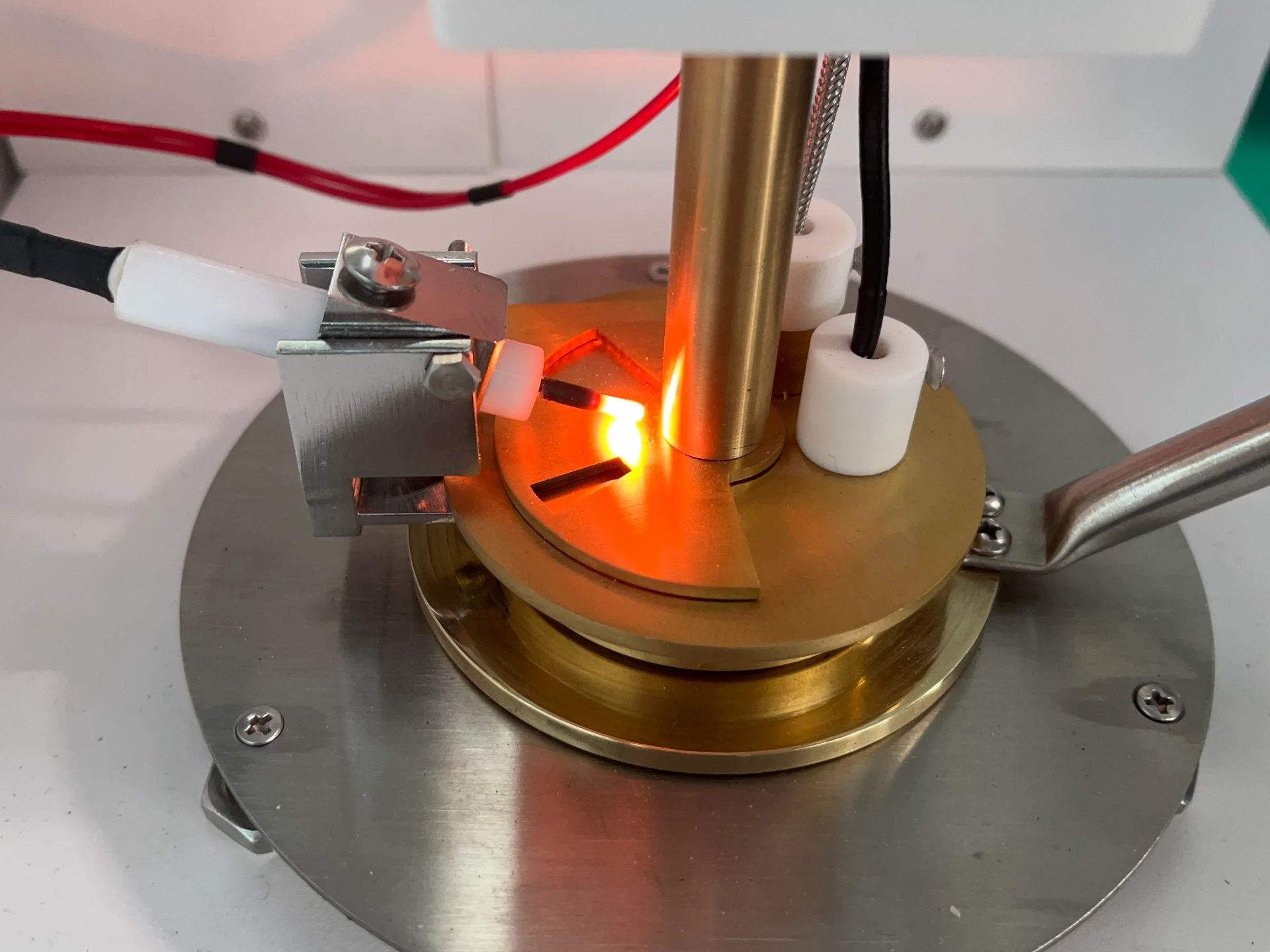
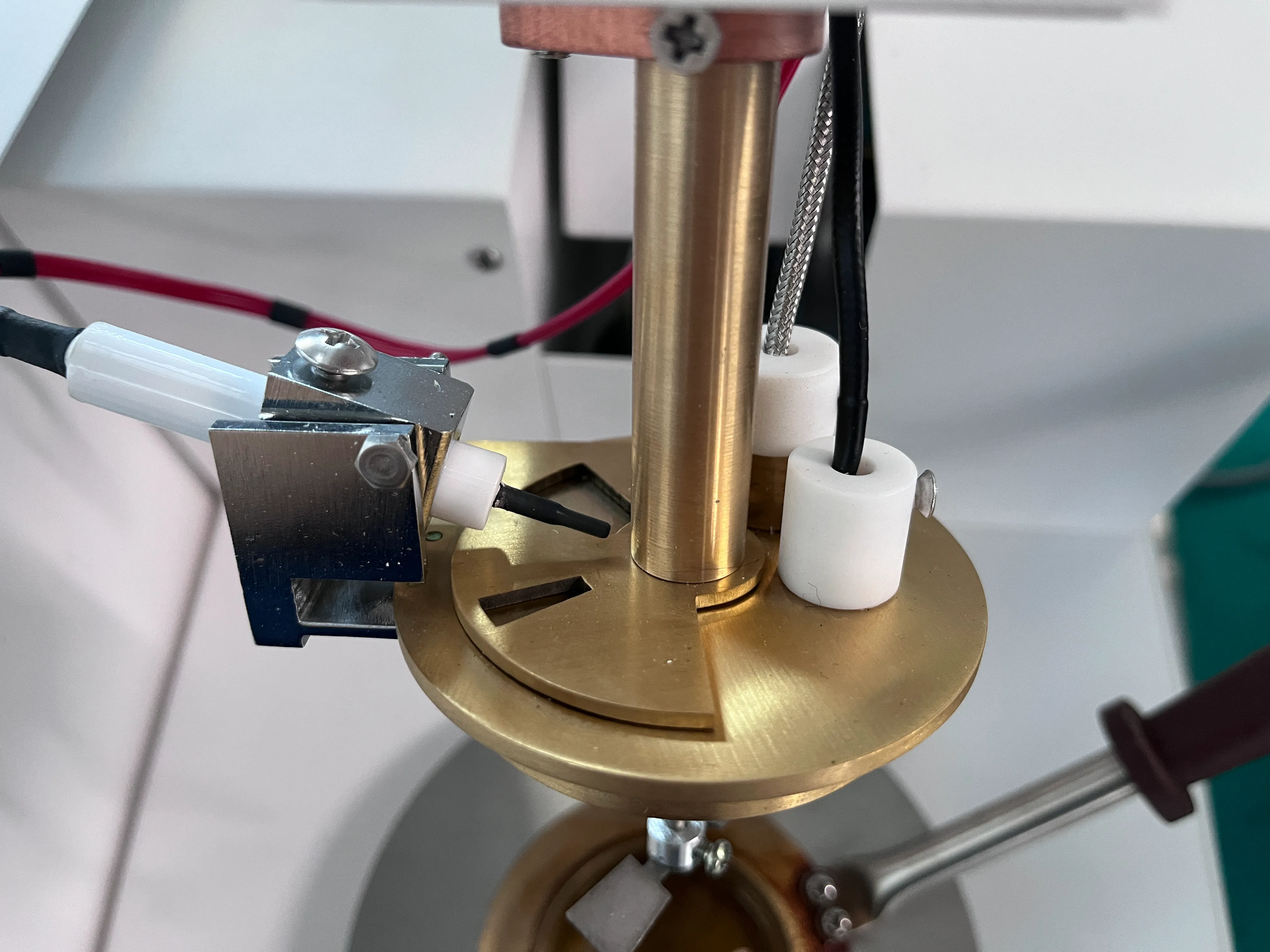
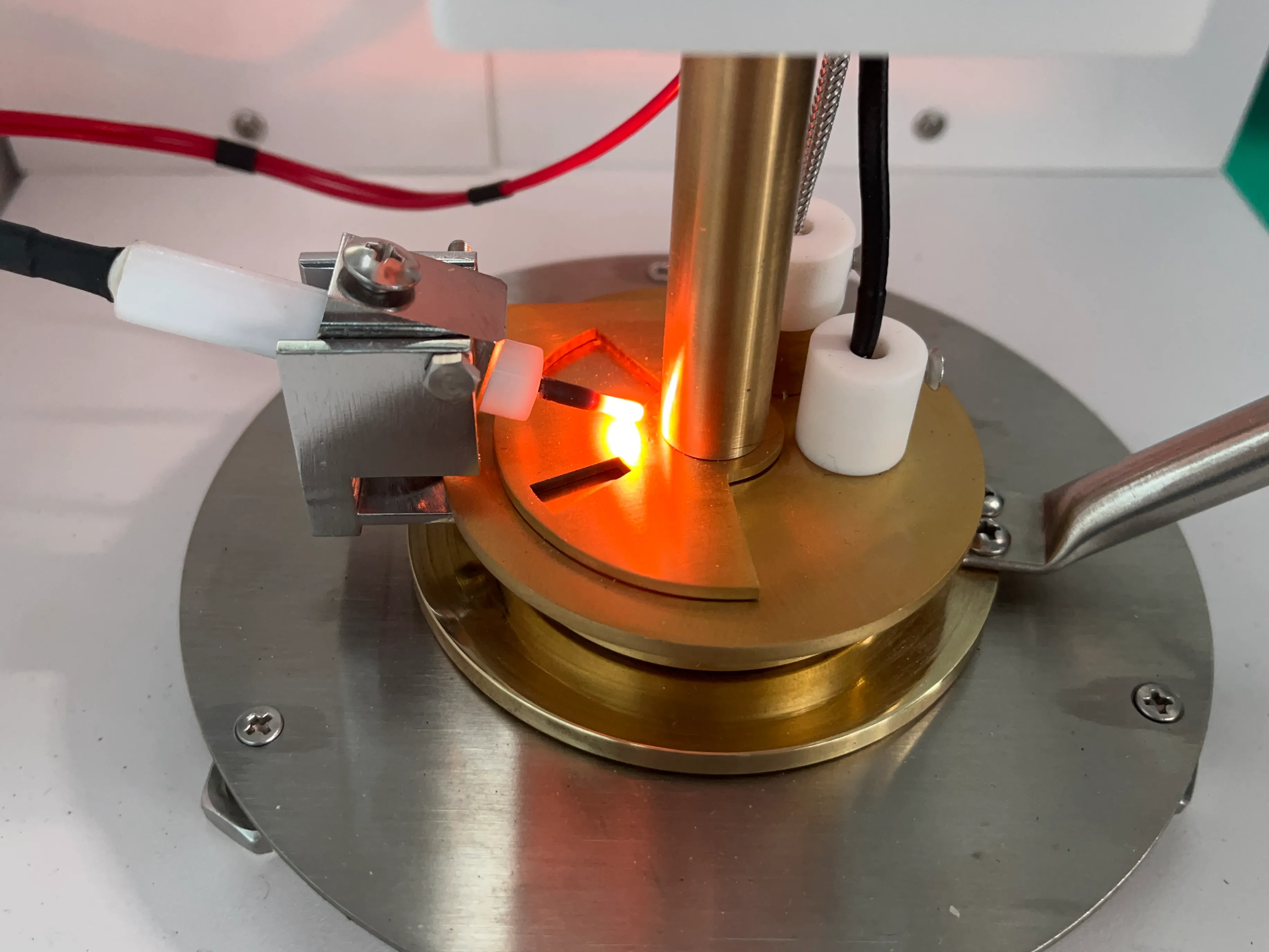
3、Silicon nitride ignition head, electric ignition, gas ignition two ignition modes optional;
4. Yana iya ajiye sakamakon gwajin ta atomatik, kuma zai iya adana bayanan 100;
5, Ganewa ta atomatik na matsa lamba na yanayi da kuma gyara ta atomatik na sakamakon;
6, The manyan allon launi tabawa ne mai sauki aiki da kuma dace da mutum-kwamfuta tattaunawa;
7, karba da sabon dumama fasahar high iko da kuma high mita sauya wutar lantarki, da dumama yadda ya dace ne high, da adaptive PID iko algorithm da aka soma, da dumama kwana ne ta atomatik gyara, da yawan zafin jiki ya wuce darajar, da ganewa da kuma ƙararrawa ne. tsaya kai tsaye.
|
Suna |
Manuniya |
|
ma'aunin zafin jiki |
room temperature–400℃ |
|
daidaiton aunawa |
≥110℃ ±2℃≤110℃ ±1℃ |
|
Maimaituwa |
0.5% |
|
Magance iko |
0.1 ℃ |
|
wutar lantarki wadata |
AC 220 V ±10% |
|
Mitar wutar lantarki |
50 Hz ±2% |
|
Ƙarfi |
200 in |
|
Zazzabi mai dacewa |
10 ~ 40 ℃ |
|
Danshi mai dacewa |
<85% RH |
|
Nisa x babban x zurfin |
410mm*290*310mm |
astm d92 flash point
closed flash point
flash point analyser
flash point equipment
flash point measurement equipment
flash point measuring apparatus
flash point meter
flash point of oil
flash point test
flash point tester
flash point tester manufacturers
oil flash point
open cup flash point
open cup flash point tester
pmcc flash point
-
 Find the Best Loop Impedance Tester for Sale and Ensure Electrical SafetyWhen ensuring electrical safety, accurate loop impedance testing is crucial. Whether you’re an electrician, a facilities manager, or a safety inspector, having a reliable loop impedance tester for sale is essential. This article will guide you through the key considerations when purchasing a loop impedance tester, explore the different types available, and highlight the benefits of choosing a high-quality instrument. Understanding the nuances of these testers will help you make an informed decision and ensure compliance with safety regulations.Daki-daki
 -
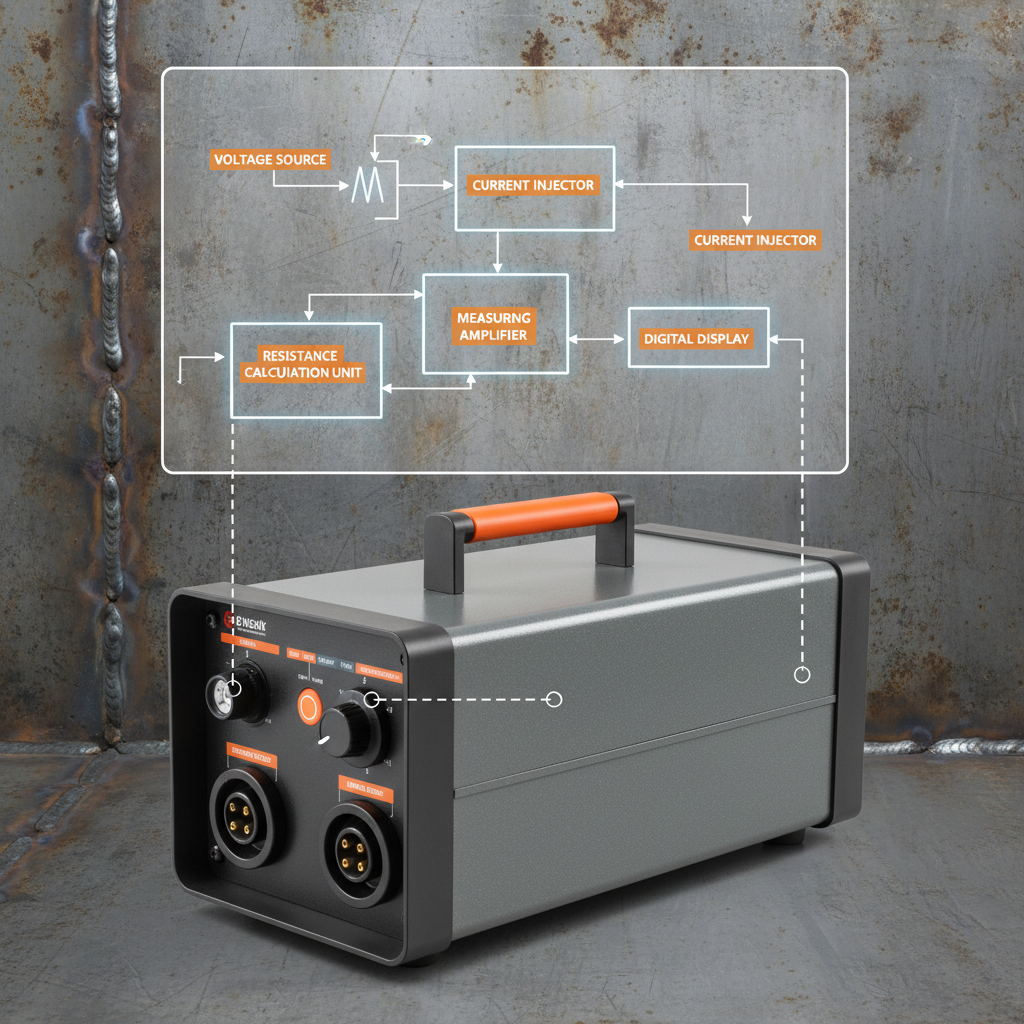 Comprehensive Guide to Loop Impedance Meter for Electrical SafetyEnsuring electrical safety is paramount in any installation, and a loop impedance meter is a crucial tool for achieving this. This device measures the total impedance of the earth fault loop, helping to verify that protective devices will operate correctly under fault conditions. In this article, we'll explore what a loop impedance meter is, how it works, its applications, factors influencing measurements, choosing the right meter, and the importance of regular testing. Investing in a quality meter from Push Tester is a step towards safer electrical systems.Daki-daki
 -
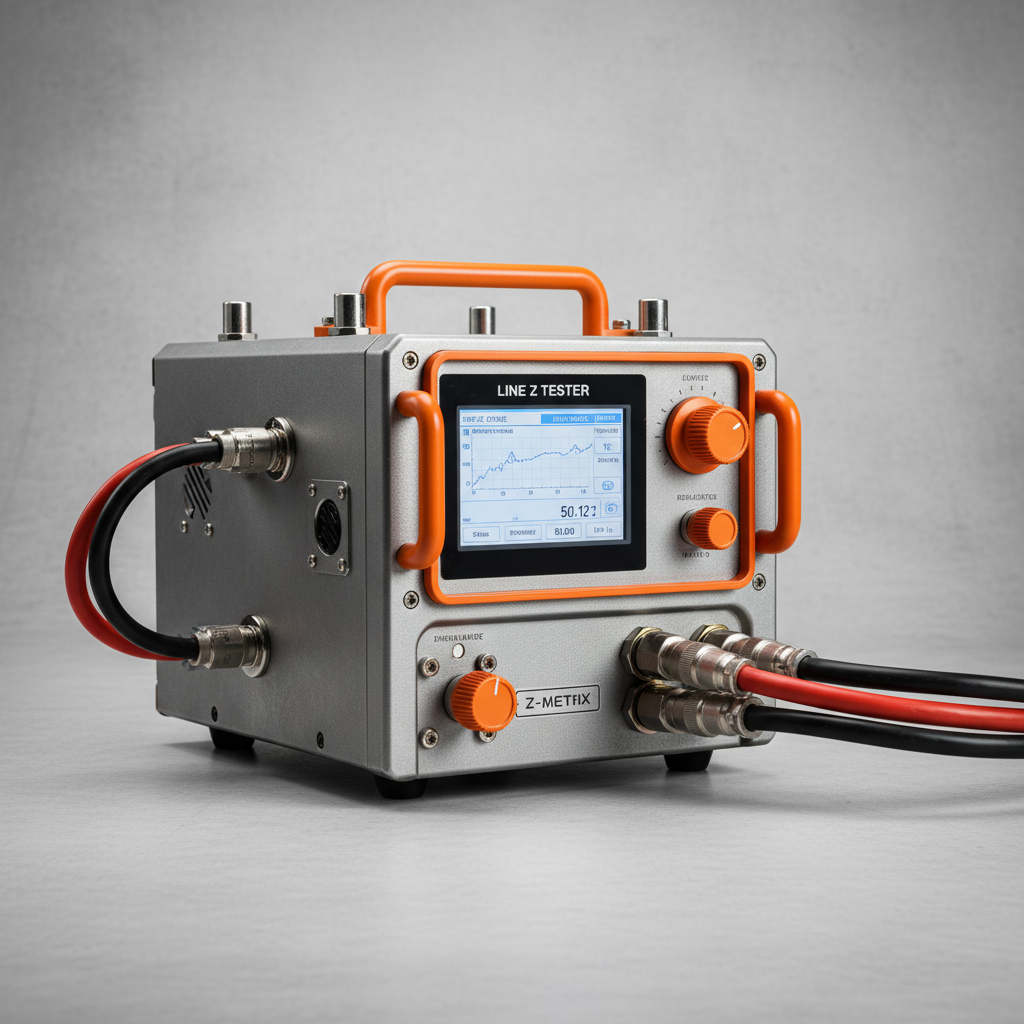 Understanding and Choosing a Line Impedance Tester for Optimal Network PerformanceIn the realm of telecommunications and electrical engineering, maintaining the integrity of transmission lines is paramount. A line impedance tester is a crucial instrument for ensuring optimal signal transmission and preventing costly network disruptions. This article delves into the world of line impedance testing, exploring its importance, applications, types of testers, and what to look for when making a purchase. Ensuring accurate impedance measurements is essential for efficient and reliable network performance. Choosing the right tester can significantly impact troubleshooting speed and the overall quality of your infrastructure. A line impedance tester, also known as a cable impedance analyzer, is a device used to measure the characteristic impedance of coaxial cables, twisted pair cables, and other transmission lines. Impedance, measured in ohms, represents the opposition to the flow of alternating current. Maintaining the correct impedance (typically 50 or 75 ohms) is vital for minimizing signal reflections, ensuring efficient power transfer, and preventing signal degradation. Mismatched impedance can lead to signal loss, ghosting, and reduced network performance. Regular testing helps identify faults and maintain network integrity.Daki-daki


