電話:
+86-0312-3189593
 英語
英語


電話:0312-3189593

Eメール:sales@oil-tester.com
-
 Afrikaans
 -
 Albanian
 -
 Amharic
 -
 Arabic
 -
 Armenian
 -
 Azerbaijani
 -
 Basque
 -
 Belarusian
 -
 Bengali
 -
 Bosnian
 -
 Bulgarian
 -
 Catalan
 -
 Cebuano
 -
 China
China -
 China (Taiwan)
 -
 Corsican
 -
 Croatian
 -
 Czech
Czech -
 Danish
 -
 Dutch
Dutch -
 English
 -
 Esperanto
 -
 Estonian
 -
 Finnish
 -
 French
 -
 Frisian
 -
 Galician
 -
 Georgian
 -
 German
 -
 Greek
Greek -
 Gujarati
 -
 Haitian Creole
 -
 hausa
hausa -
 hawaiian
 -
 Hebrew
 -
 Hindi
Hindi -
 Miao
Miao -
 Hungarian
 -
 Icelandic
 -
 igbo
igbo -
 Indonesian
 -
 irish
irish -
 Italian
 -
 Japanese
 -
 Javanese
 -
 Kannada
 -
 kazakh
 -
 Khmer
Khmer -
 Rwandese
 -
 Korean
 -
 Kurdish
 -
 Kyrgyz
 -
 Lao
Lao -
 Latin
Latin -
 Latvian
 -
 Lithuanian
 -
 Luxembourgish
 -
 Macedonian
 -
 Malgashi
 -
 Malay
Malay -
 Malayalam
 -
 Maltese
 -
 Maori
Maori -
 Marathi
 -
 Mongolian
 -
 Myanmar
 -
 Nepali
 -
 Norwegian
 -
 Norwegian
 -
 Occitan
 -
 Pashto
 -
 Persian
 -
 Polish
 -
 Portuguese
 -
 Punjabi
 -
 Romanian
 -
 Russian
 -
 Samoan
 -
 Scottish Gaelic
 -
 Serbian
 -
 Sesotho
 -
 Shona
Shona -
 Sindhi
 -
 Sinhala
 -
 Slovak
 -
 Slovenian
 -
 Somali
 -
 Spanish
 -
 Sundanese
 -
 Swahili
 -
 Swedish
 -
 Tagalog
 -
 Tajik
Tajik -
 Tamil
Tamil -
 Tatar
Tatar -
 Telugu
 -
 Thai
Thai -
 Turkish
 -
 Turkmen
 -
 Ukrainian
 -
 Urdu
Urdu -
 Uighur
 -
 Uzbek
Uzbek -
 Vietnamese
 -
 Welsh
Welsh -
 Bantu
Bantu -
 Yiddish
 -
 Yoruba
 -
 Zulu
Zulu
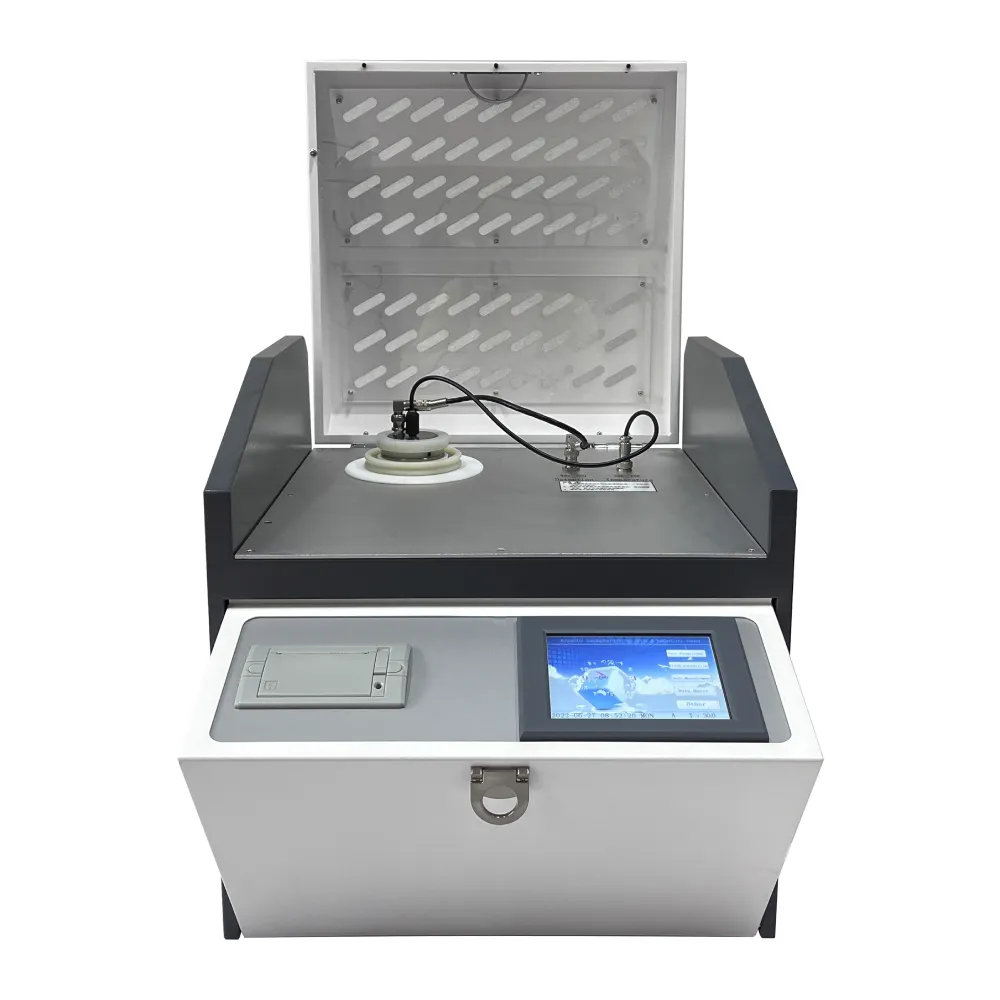
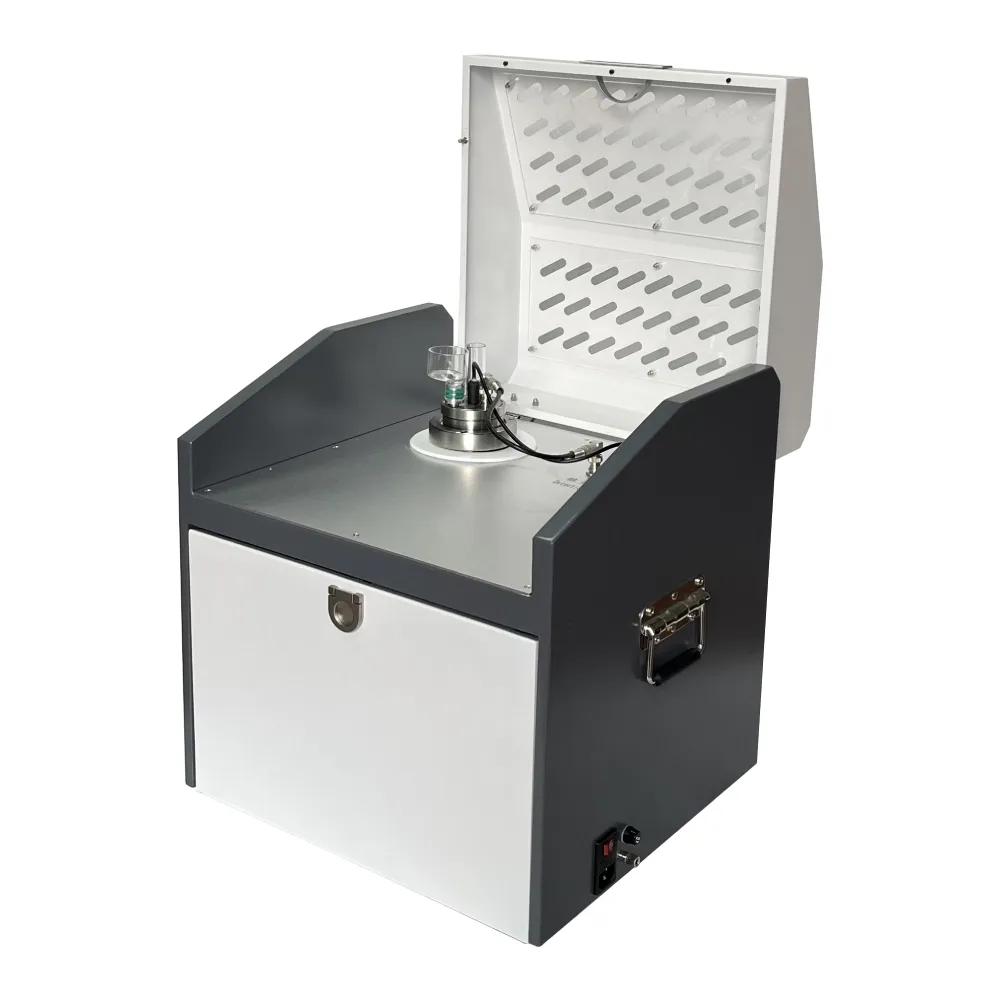
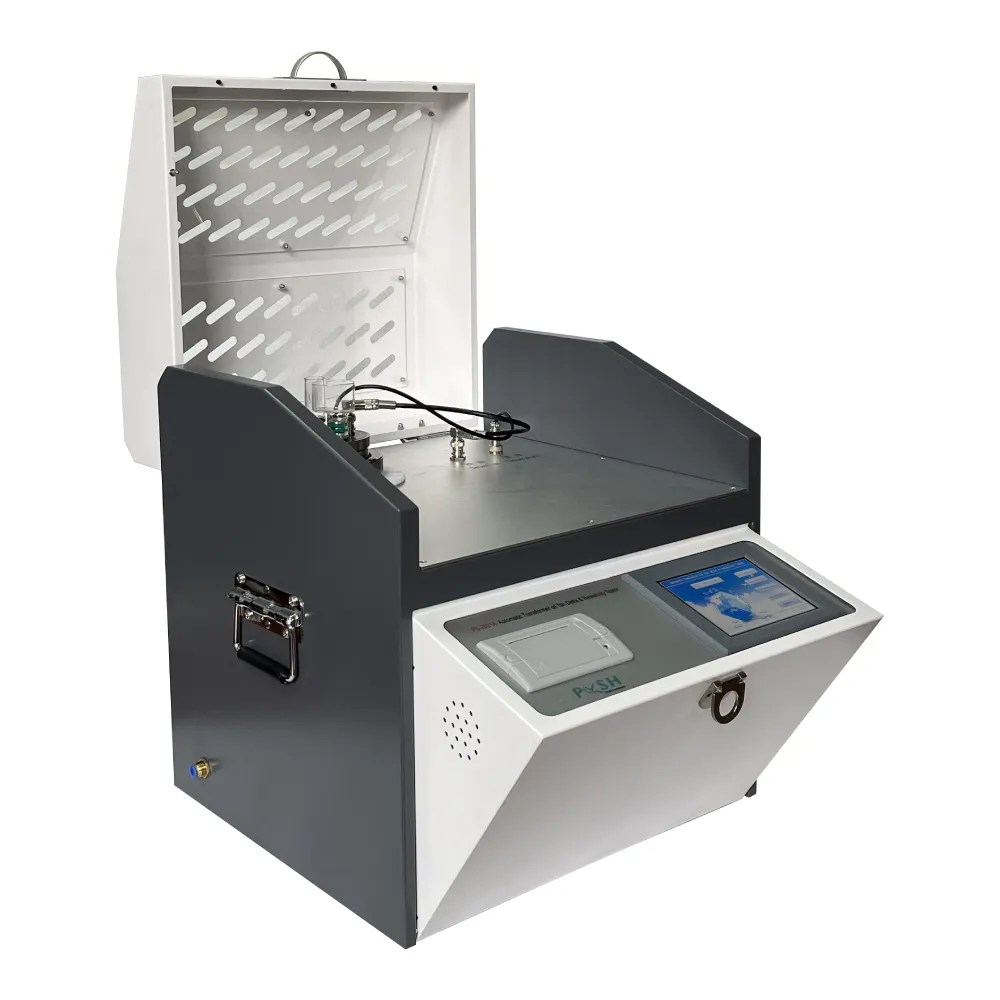
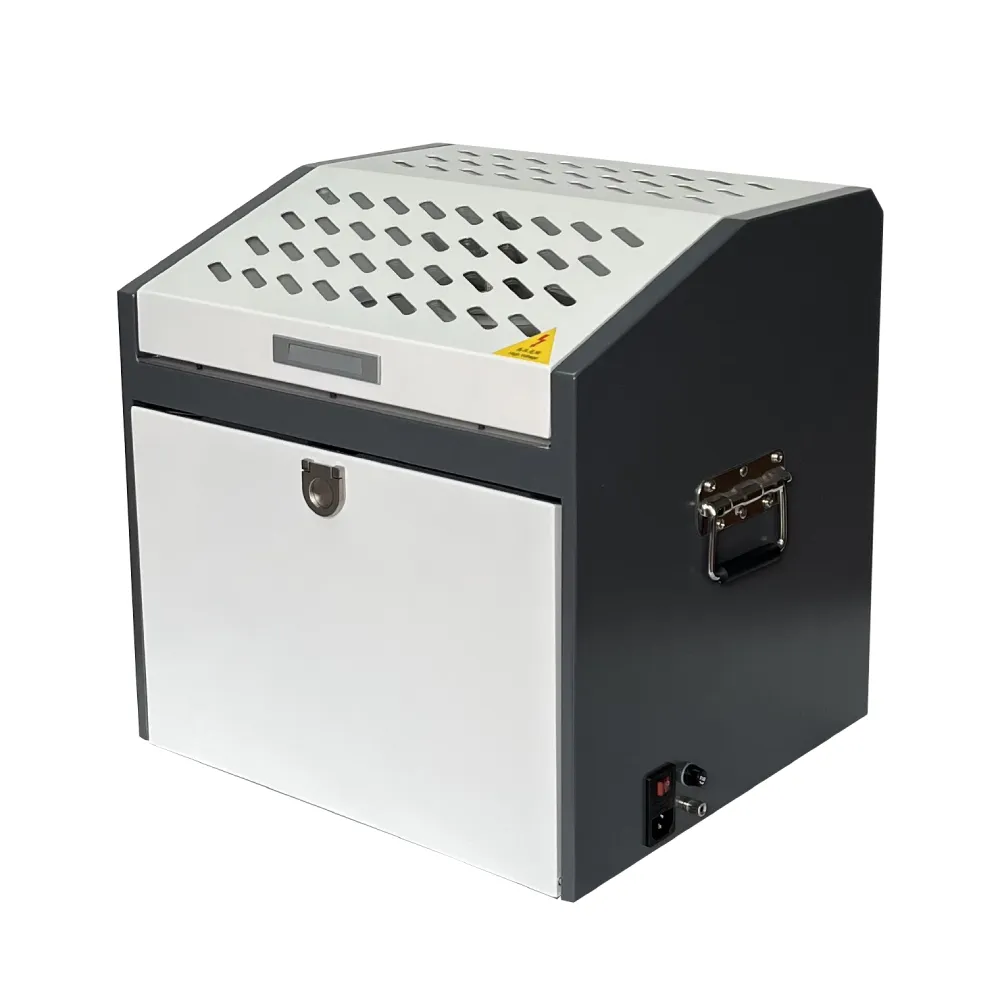
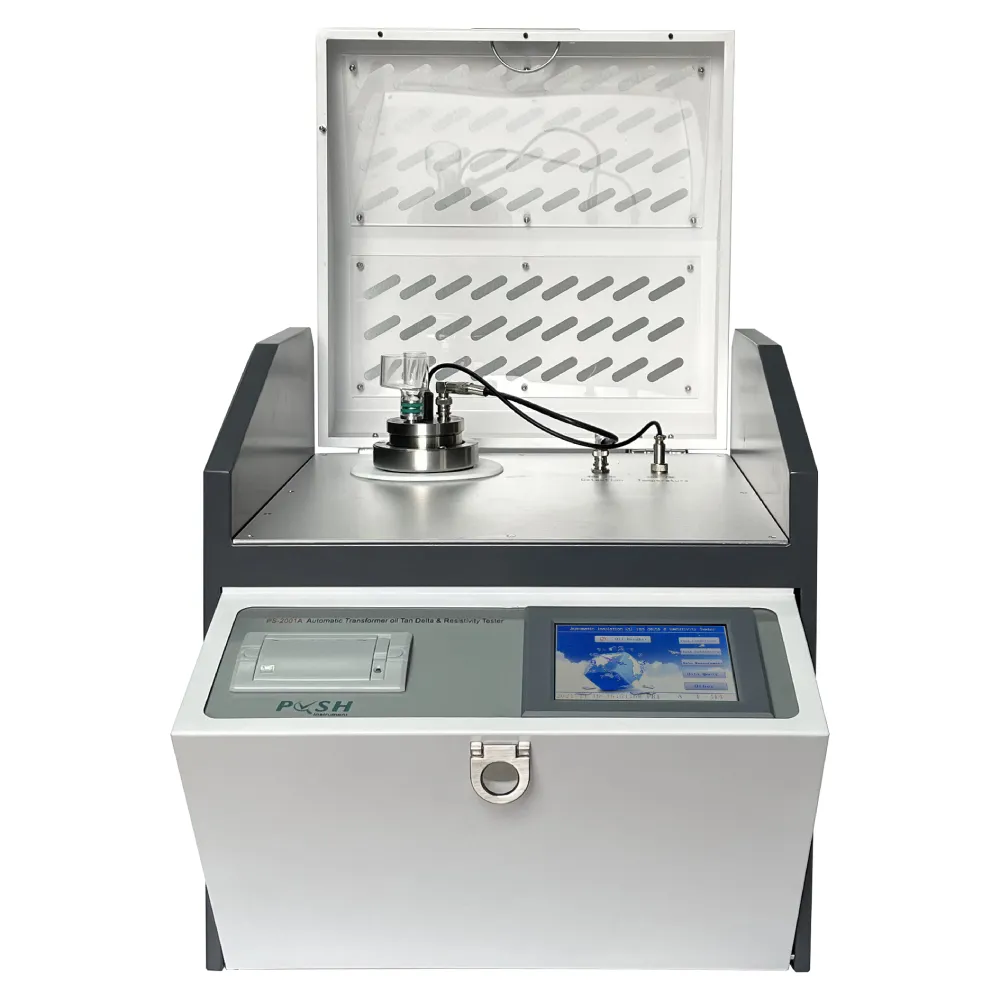
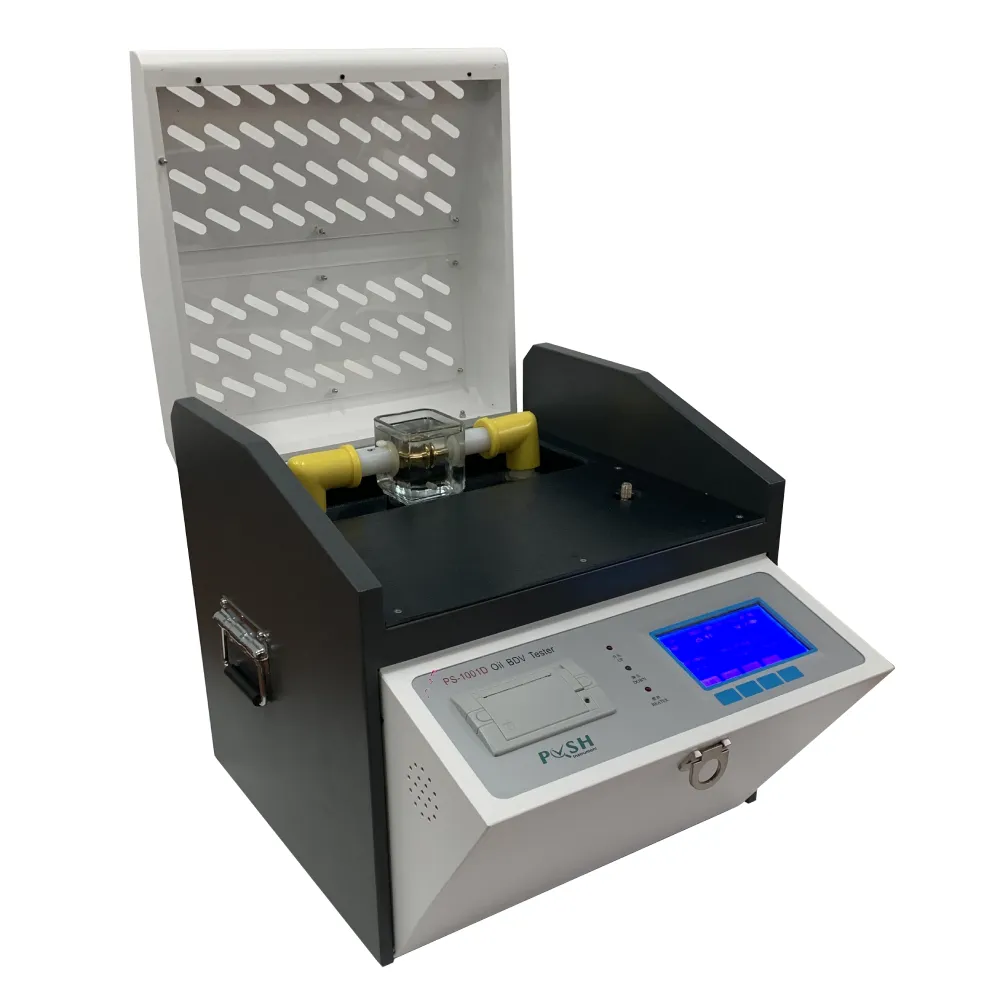
製品のセールスポイント紹介
- 1.高度に自動化されており、加熱、誘電損失測定、抵抗率測定が一度に完了します。
2. GB/T5654-2007規格に準拠した3電極型構造で、電極間間隔は2mmで、誘電損失試験結果に対する浮遊容量と漏れの影響を排除できます。
3.この機器は中周波誘導加熱、PID温度制御アルゴリズムを採用しています。この加熱モードの利点は、非接触、オイルカップと加熱体、均一な加熱速度、便利な制御、設定範囲内の温度誤差での温度制御です。
4. 高度なDSPとFFT技術を使用して、データの安定性、正確性、信頼性を確保します。
5. SF6充電用3極コンデンサの内部標準コンデンサは、コンデンサの誘電損失と静電容量が周囲温度、湿度などの影響を受けないため、長期間使用した後でも機器の精度が保証されます。
6. 大画面カラータッチスクリーン、マンマシン対話が便利、操作が簡潔、明確。
7. 高電圧の蓋を外すと、高電圧電極カップのショートリマインダーが表示され、安全上の危険が排除され、操作者と機器の正常な動作の安全性が確保されます。
8. リアルタイムクロックにより、テストの日付、時間を保存し、テスト結果を表示、印刷できます。また、機器は周囲温度を表示し、テスト環境をリアルタイムで検出できます。
9. 測定データの自動保存、100セットの測定データを保存できます。
10. 空電極カップの補正機能。空電極カップの静電容量と誘電損失率を測定し、空電極カップの洗浄および組み立て状態を判断します。較正データは自動的に保存され、相対静電容量と直流抵抗率の正確な計算が容易になります。
製品パラメータ
|
パラメータ |
索引 |
パラメータ |
索引 |
||
|
測定 |
キャパシタンス |
5pF~200pF |
解像力 |
キャパシタンス |
0.01pF |
|
誘電損失 |
0.00001~100 |
誘電損失 |
10-5 |
||
|
抵抗率 |
2.5MΩm~20TΩm |
抵抗率 |
0.001M |
||
|
測定 |
キャパシタンス |
0.5%+1PF |
制御精度 |
±0.5℃ |
|
|
誘電損失 |
±(1%読み取り+0.0001) |
温度範囲 |
0~125℃ |
||
|
抵抗率 |
±10%読み取り |
交流電圧 |
交流0〜2200V |
||
|
直流電圧 |
DC0〜600V |
||||
|
周囲温度 |
0~40℃ |
周囲の湿度 |
80%RH未満 |
||
|
動作電源 |
AC220V±10%(50±1)Hz |
サイズ |
420mm×380mm×420mm |
||
|
力 |
100W |
重さ |
21Kg(フリーカップ) |
||
ビデオ
dielectric loss factor
dielectric loss meter
dielectric loss tangent
dielectric loss test
insulating oil tester
oil tan delta tester
oil tester
oil tester kit
tan delta tester
transformer oil tester
volume resistivity tester
ここにメッセージを書いて送信してください
関連している ニュース
-
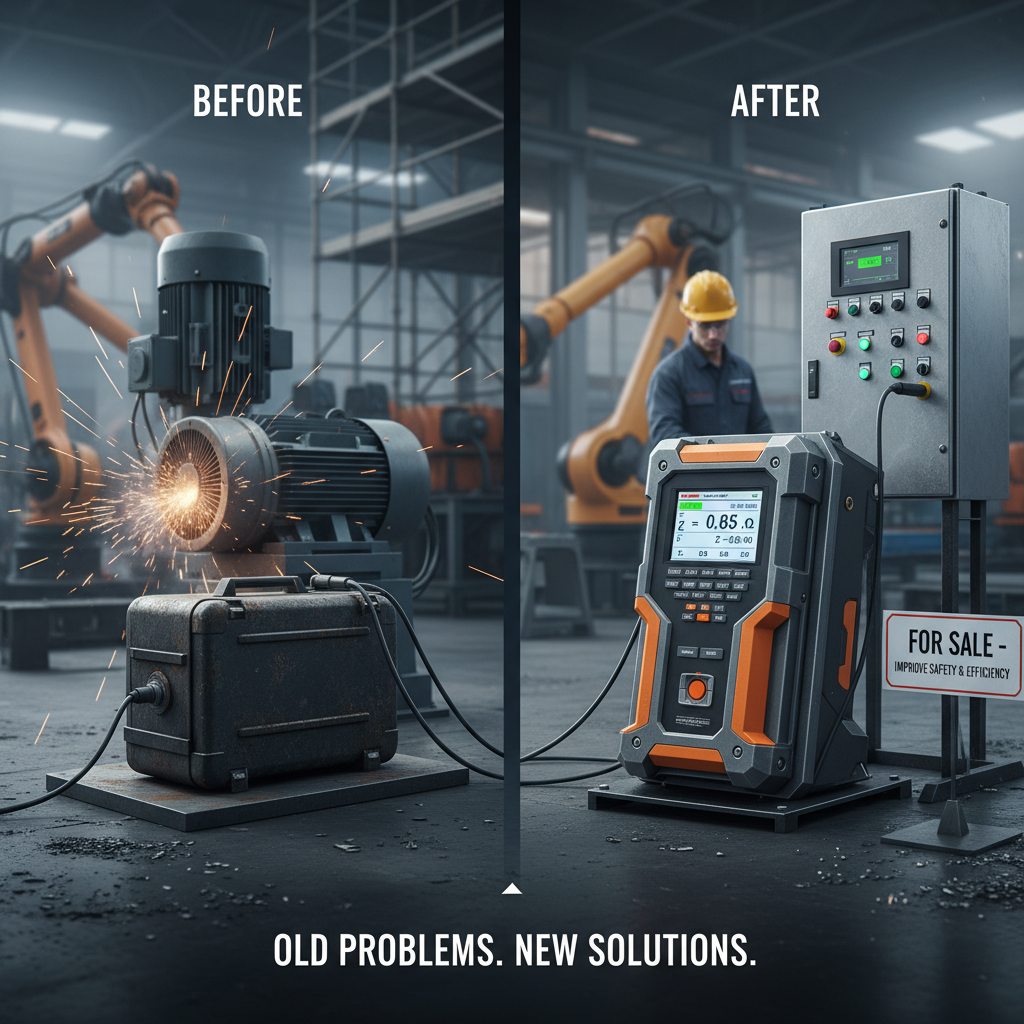 Find the Best Loop Impedance Tester for Sale and Ensure Electrical SafetyWhen ensuring electrical safety, accurate loop impedance testing is crucial. Whether you’re an electrician, a facilities manager, or a safety inspector, having a reliable loop impedance tester for sale is essential. This article will guide you through the key considerations when purchasing a loop impedance tester, explore the different types available, and highlight the benefits of choosing a high-quality instrument. Understanding the nuances of these testers will help you make an informed decision and ensure compliance with safety regulations.詳細
 -
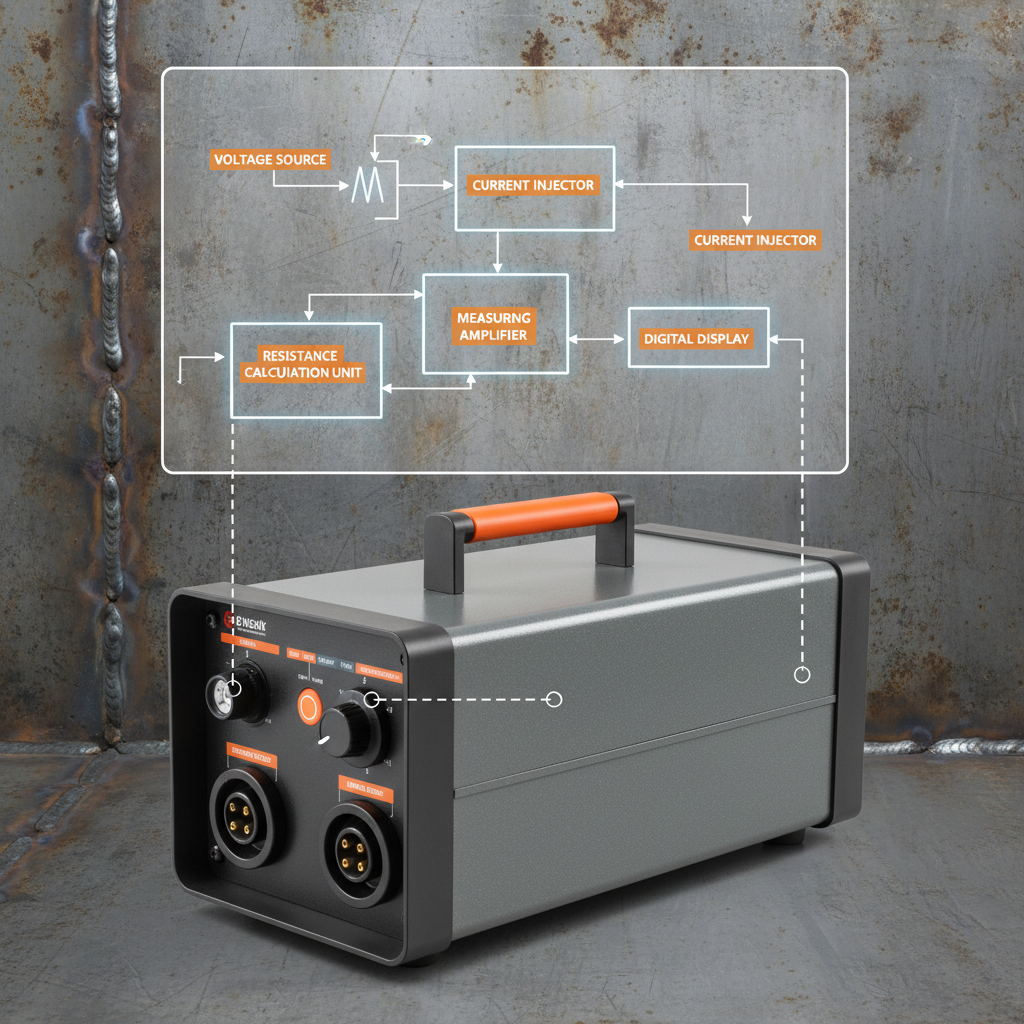 Comprehensive Guide to Loop Impedance Meter for Electrical SafetyEnsuring electrical safety is paramount in any installation, and a loop impedance meter is a crucial tool for achieving this. This device measures the total impedance of the earth fault loop, helping to verify that protective devices will operate correctly under fault conditions. In this article, we'll explore what a loop impedance meter is, how it works, its applications, factors influencing measurements, choosing the right meter, and the importance of regular testing. Investing in a quality meter from Push Tester is a step towards safer electrical systems.詳細
 -
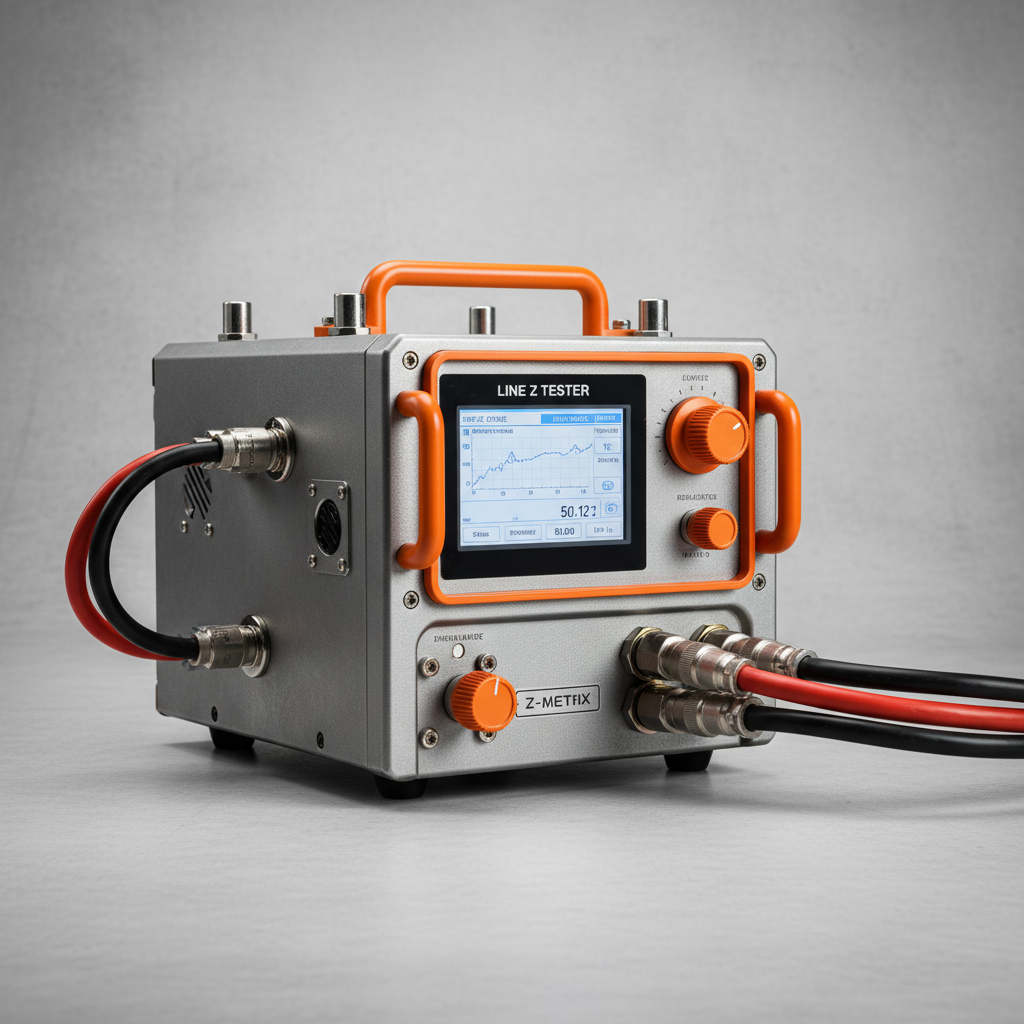 Understanding and Choosing a Line Impedance Tester for Optimal Network PerformanceIn the realm of telecommunications and electrical engineering, maintaining the integrity of transmission lines is paramount. A line impedance tester is a crucial instrument for ensuring optimal signal transmission and preventing costly network disruptions. This article delves into the world of line impedance testing, exploring its importance, applications, types of testers, and what to look for when making a purchase. Ensuring accurate impedance measurements is essential for efficient and reliable network performance. Choosing the right tester can significantly impact troubleshooting speed and the overall quality of your infrastructure. A line impedance tester, also known as a cable impedance analyzer, is a device used to measure the characteristic impedance of coaxial cables, twisted pair cables, and other transmission lines. Impedance, measured in ohms, represents the opposition to the flow of alternating current. Maintaining the correct impedance (typically 50 or 75 ohms) is vital for minimizing signal reflections, ensuring efficient power transfer, and preventing signal degradation. Mismatched impedance can lead to signal loss, ghosting, and reduced network performance. Regular testing helps identify faults and maintain network integrity.詳細


