TEL:
+86-0312-3189593
 Igilisi


Telefoni:0312-3189593

imeli:sales@oil-tester.com
-
 Afrikaans
 -
 Albanian
 -
 Amharic
 -
 Arabic
 -
 Armenian
 -
 Azerbaijani
 -
 Basque
 -
 Belarusian
 -
 Bengali
 -
 Bosnian
 -
 Bulgarian
 -
 Catalan
 -
 Cebuano
 -
 China
China -
 China (Taiwan)
 -
 Corsican
 -
 Croatian
 -
 Czech
Czech -
 Danish
 -
 Dutch
Dutch -
 English
 -
 Esperanto
 -
 Estonian
 -
 Finnish
 -
 French
 -
 Frisian
 -
 Galician
 -
 Georgian
 -
 German
 -
 Greek
Greek -
 Gujarati
 -
 Haitian Creole
 -
 hausa
hausa -
 hawaiian
 -
 Hebrew
 -
 Hindi
Hindi -
 Miao
Miao -
 Hungarian
 -
 Icelandic
 -
 igbo
igbo -
 Indonesian
 -
 irish
irish -
 Italian
 -
 Japanese
 -
 Javanese
 -
 Kannada
 -
 kazakh
 -
 Khmer
Khmer -
 Rwandese
 -
 Korean
 -
 Kurdish
 -
 Kyrgyz
 -
 Lao
Lao -
 Latin
Latin -
 Latvian
 -
 Lithuanian
 -
 Luxembourgish
 -
 Macedonian
 -
 Malgashi
 -
 Malay
Malay -
 Malayalam
 -
 Maltese
 -
 Maori
Maori -
 Marathi
 -
 Mongolian
 -
 Myanmar
 -
 Nepali
 -
 Norwegian
 -
 Norwegian
 -
 Occitan
 -
 Pashto
 -
 Persian
 -
 Polish
 -
 Portuguese
 -
 Punjabi
 -
 Romanian
 -
 Russian
 -
 Samoan
 -
 Scottish Gaelic
 -
 Serbian
 -
 Sesotho
 -
 Shona
Shona -
 Sindhi
 -
 Sinhala
 -
 Slovak
 -
 Slovenian
 -
 Somali
 -
 Spanish
 -
 Sundanese
 -
 Swahili
 -
 Swedish
 -
 Tagalog
 -
 Tajik
Tajik -
 Tamil
Tamil -
 Tatar
Tatar -
 Telugu
 -
 Thai
Thai -
 Turkish
 -
 Turkmen
 -
 Ukrainian
 -
 Urdu
Urdu -
 Uighur
 -
 Uzbek
Uzbek -
 Vietnamese
 -
 Welsh
Welsh -
 Bantu
Bantu -
 Yiddish
 -
 Yoruba
 -
 Zulu
Zulu
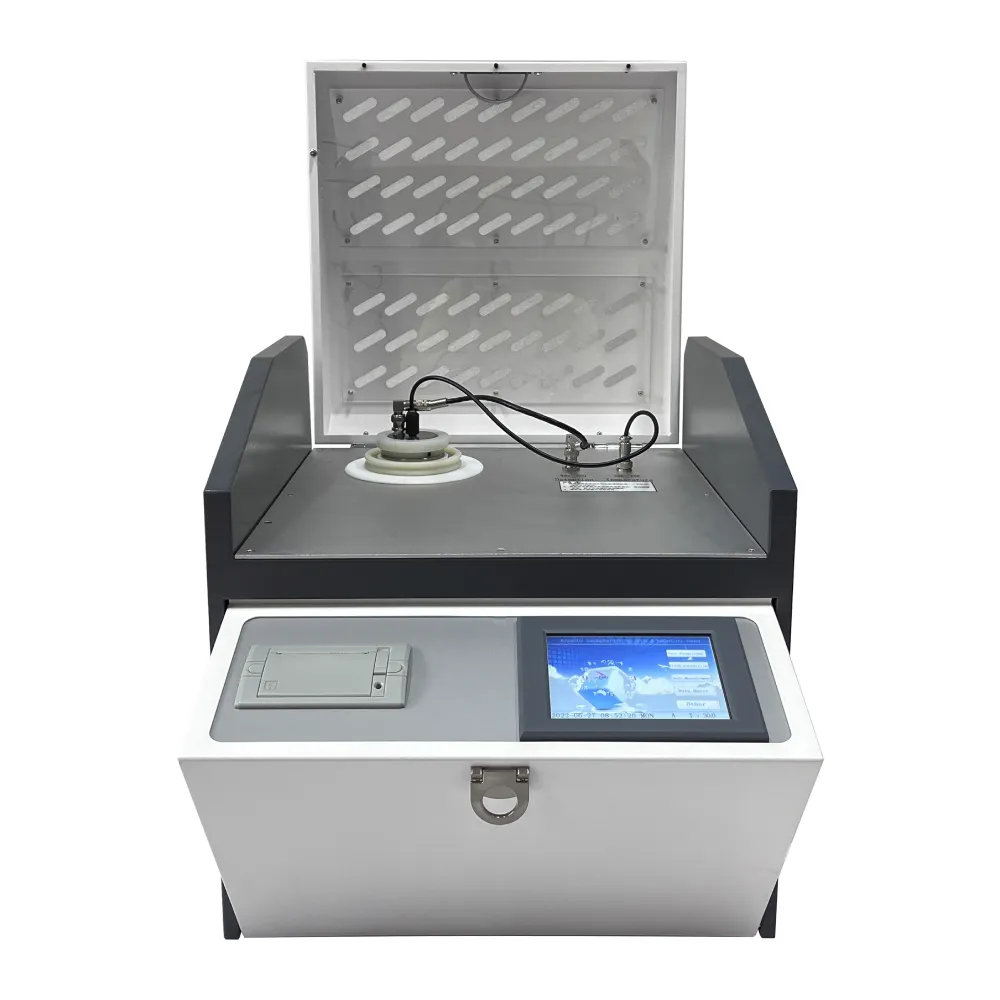
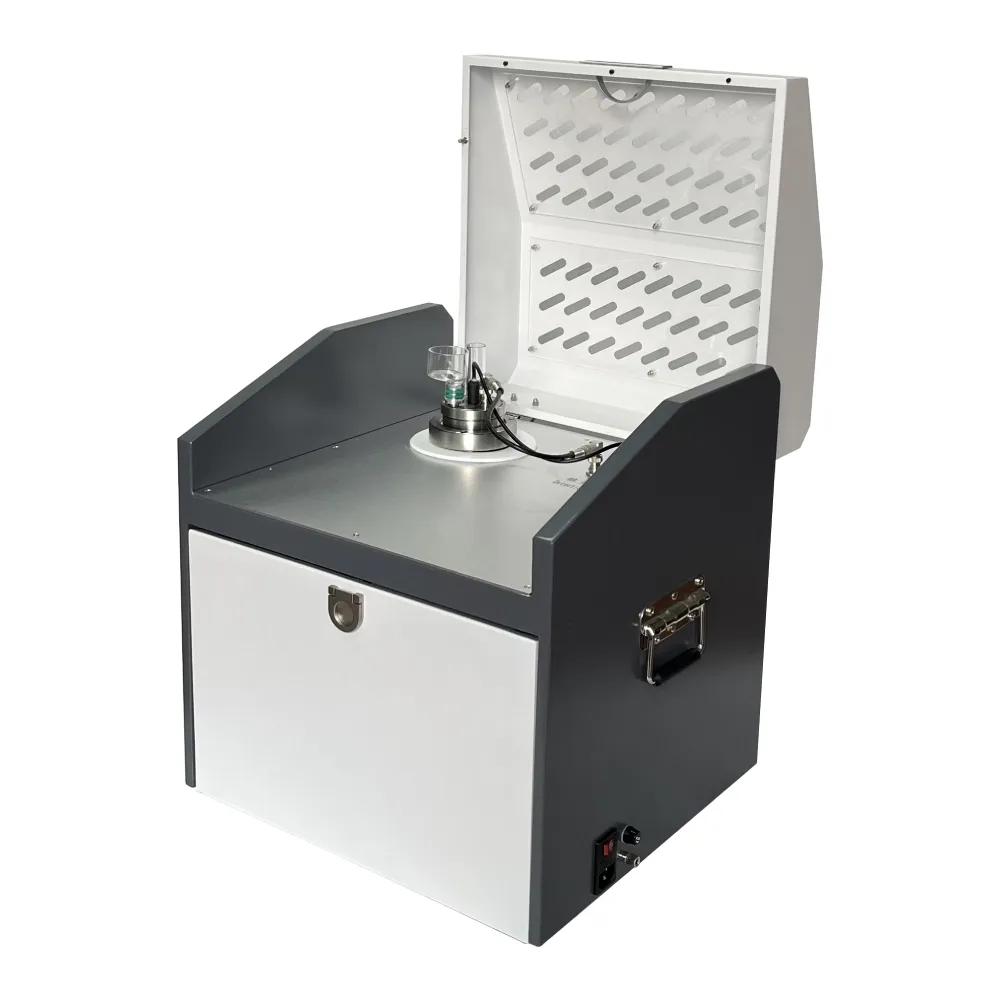
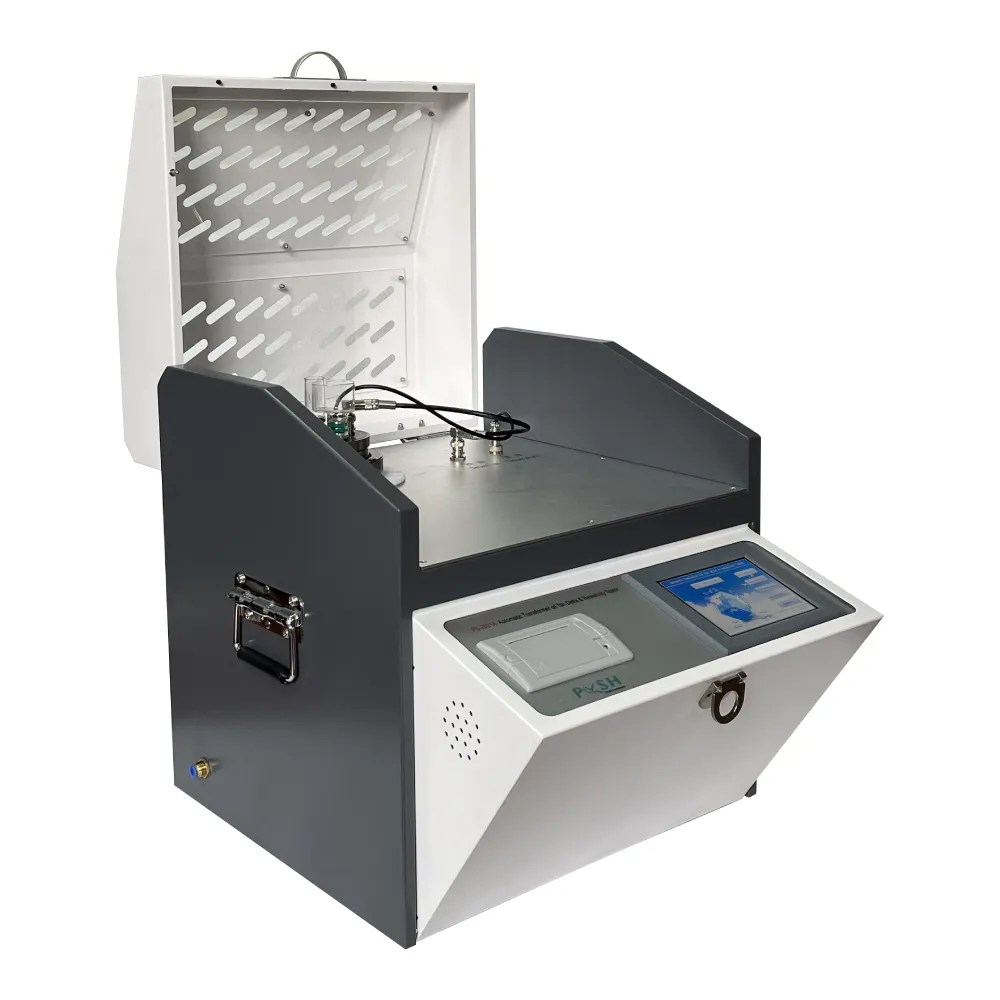
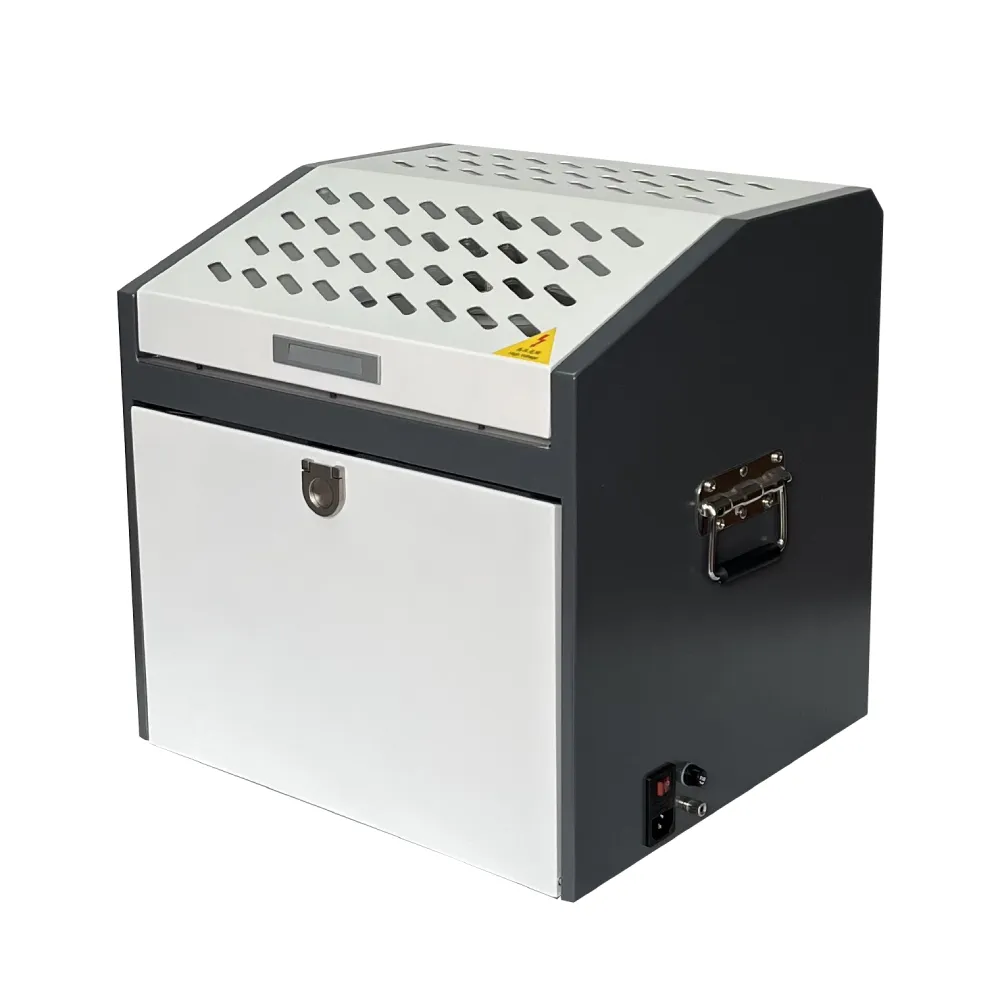
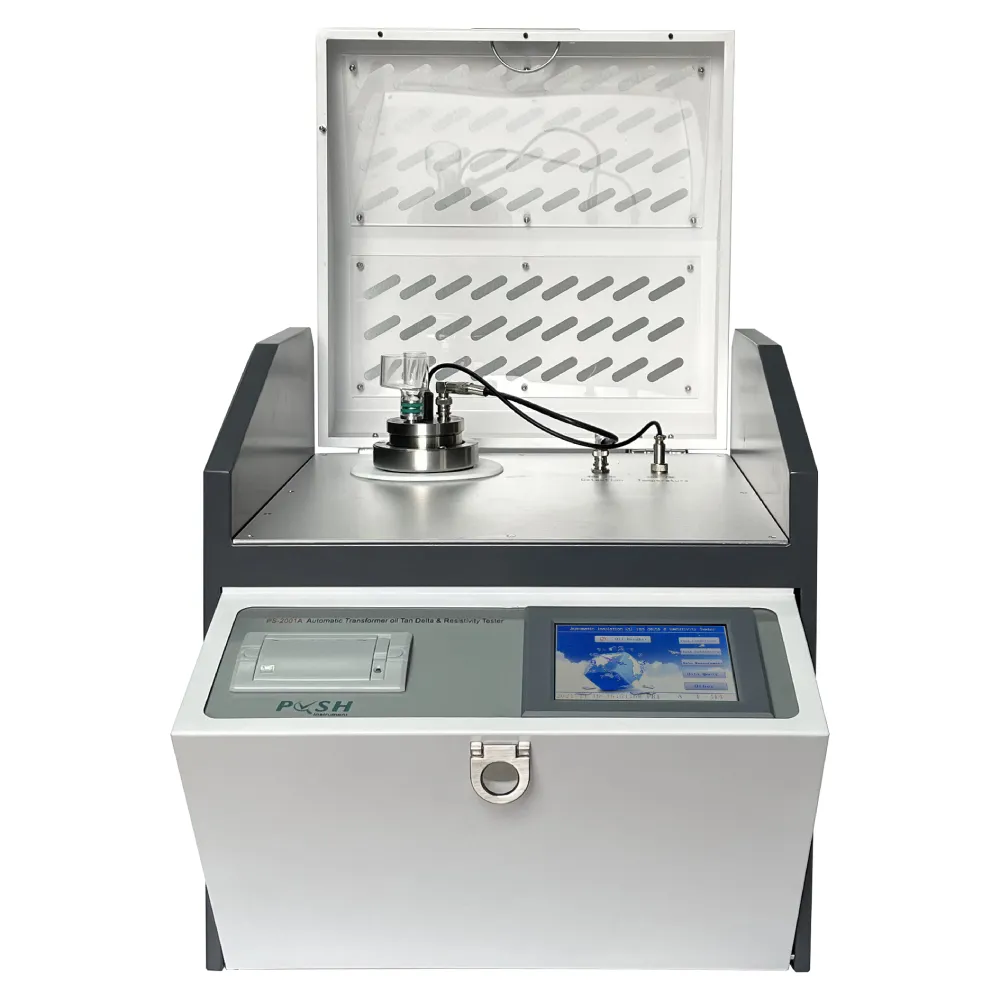
Oloa Fa'atauga Fa'atomuaga
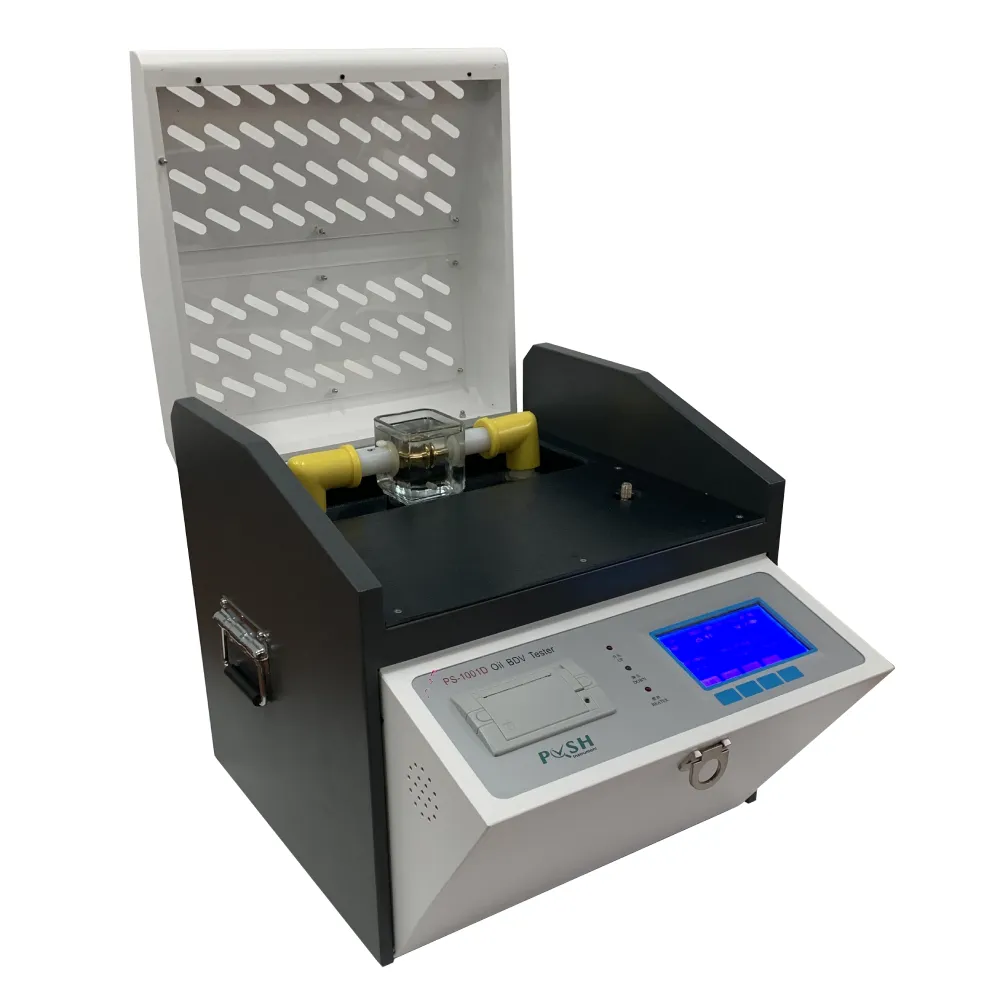
- 1. Otometi maualuga, faʻamafanafanaina, fuaina o le leiloa o le dielectric, ma le fuaina o le resistivity e mafai ona maeʻa i le taimi.
2. The tolu electrode ituaiga fausaga ma se GB / T5654-2007 tulaga faatonuina, inter electrode va 2mm, e mafai ona aveesea capacitance se ese ma leakage aafiaga i taunuuga suega leiloa dielectric.
3.O le meafaigaluega e faʻaogaina ai le faʻavevelaina o le faʻaogaina o le vevela, PID le faʻaogaina o le vevela algorithm. O lenei faiga faʻavevela o loʻo i ai le lelei o le le faʻafesoʻotaʻi, ipu suauʻu ma le tino faʻavevela, faʻasao faʻavevela toniga, pulea lelei, o le pulea o le vevela i le vevela i totonu o le faʻasologa o mea sese.
4. Faʻaaogaina tekonolosi DSP ma FFT e faʻamautinoa ai le mautu, saʻo ma le faʻamaoni o faʻamatalaga
5. Fa'alotoifale tulaga capacitor mo le SF6 molia tolu pou capacitor, dielectric gau ma capacitance o le capacitor e le aafia i le vevela ambient, susu, ma isi, ina ia mautinoa le sao atoatoa o le meafaigaluega ina ua mavae se taimi umi e faaaoga.
6. Large screen lanu pa'i lau, tagata-masini talatalanoaga faigofie, fa'agaoioiga pupuu, manino.
7. Faʻatasi ai ma le tapuni mai le eletise maualuga, maualuga eletise eletise ipu faʻamanatuga puupuu, faʻaumatia lamatiaga saogalemu, ia mautinoa le faʻaogaina masani o le saogalemu o tagata faigaluega ma meafaigaluega.
8. Faʻatasi ai ma le taimi moni, aso suʻega, taimi e mafai ona faʻasaoina ma faʻaiʻuga o suʻega, faʻaaliga, lolomi; meafaigaluega e mafai ona faʻaalia le vevela ambient, suʻesuʻeina taimi moni o le siosiomaga suʻega.
9. Faʻamaumauga faʻamaumauga otometi teuina, e mafai ona teuina 100 seti o faʻamaumauga fua.
10. Fa'asa'oga galuega ole ipu electrode gaogao. O le capacitance ma le dielectric gau o le ipu electrode gaogao e fuaina e faamasino le tulaga faamamaina ma le tuufaatasia o le ipu electrode gaogao. O faʻamaumauga faʻavasega e faʻasaoina otometi e faʻafaigofie ai le faʻatusatusaga saʻo o le gafatia ma le DC resistivity.
Fua Fa'atatau
|
Parameter |
Fa'asinomaga |
Parameter |
Fa'asinomaga |
||
|
fua |
Malosiaga |
5pF~200pF |
Malosiaga foia |
Malosiaga |
0.01pF |
|
Dielectric gau |
0.00001~100 |
Dielectric gau |
10-5 |
||
|
Tete'e |
2.5MΩm~20TΩm |
Tete'e |
0.001M |
||
|
Fua |
Malosiaga |
0.5%+1PF |
Puleaina le sa'o |
±0.5℃ |
|
|
Dielectric gau |
±(1% Faitau+0.0001) |
Va'aiga vevela |
0~125℃ |
||
|
Tete'e |
±10% Faitauga |
AC voltage |
AC 0~2200V |
||
|
DC voltage |
DC 0~600V |
||||
|
O le vevela o le siosiomaga |
0~40℃ |
Susū fa'afefe |
<80%RH |
||
|
Malosiaga galue |
AC220V±10%(50±1)Hz |
Tele |
420mm*380mm*420mm |
||
|
Malosiaga |
100W |
mamafa |
21Kg(Ipu fua) |
||
Vitio
dielectric loss factor
dielectric loss meter
dielectric loss tangent
dielectric loss test
insulating oil tester
oil tan delta tester
oil tester
oil tester kit
tan delta tester
transformer oil tester
volume resistivity tester
Tusi lau savali iinei ma lafo mai ia i matou
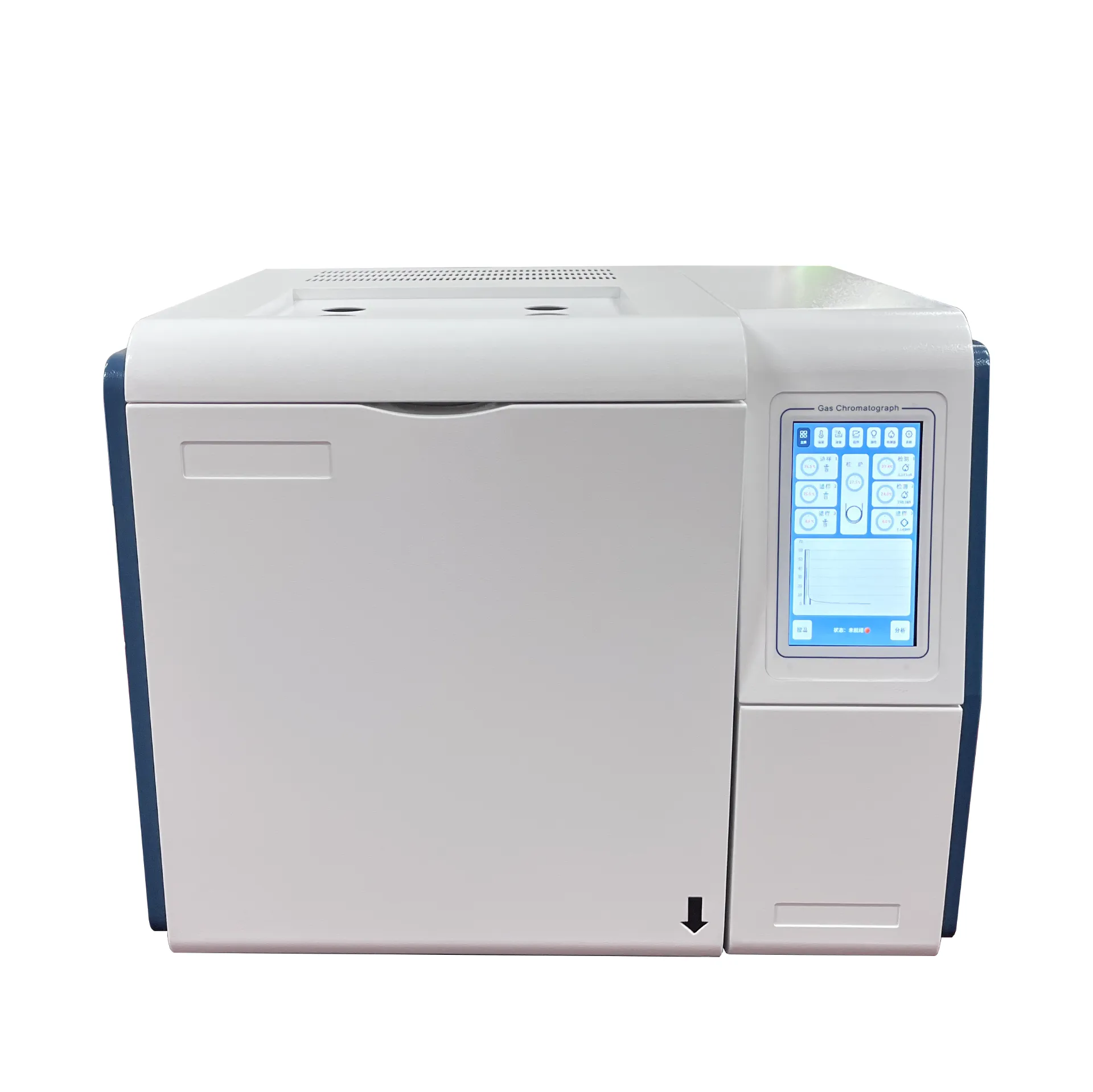
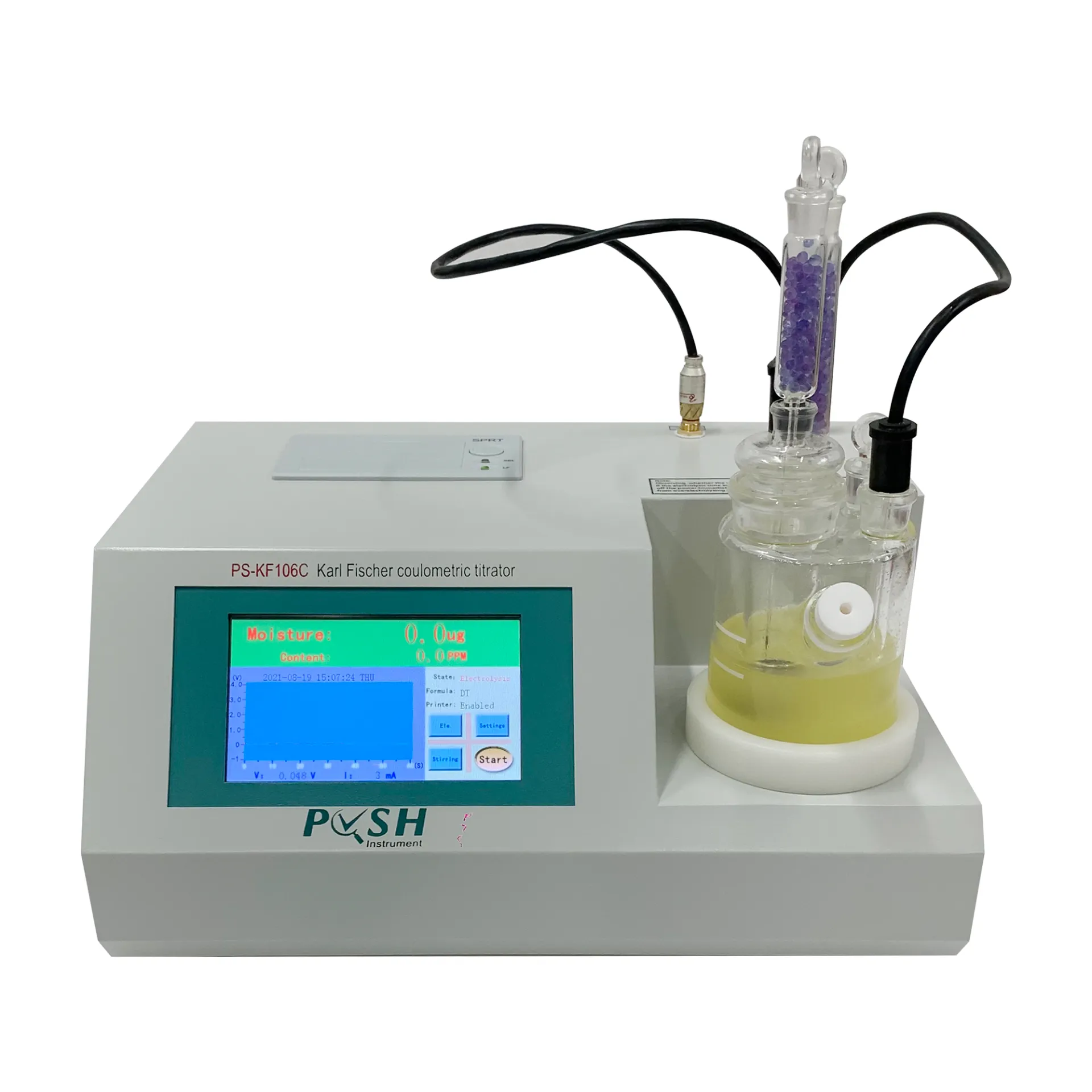
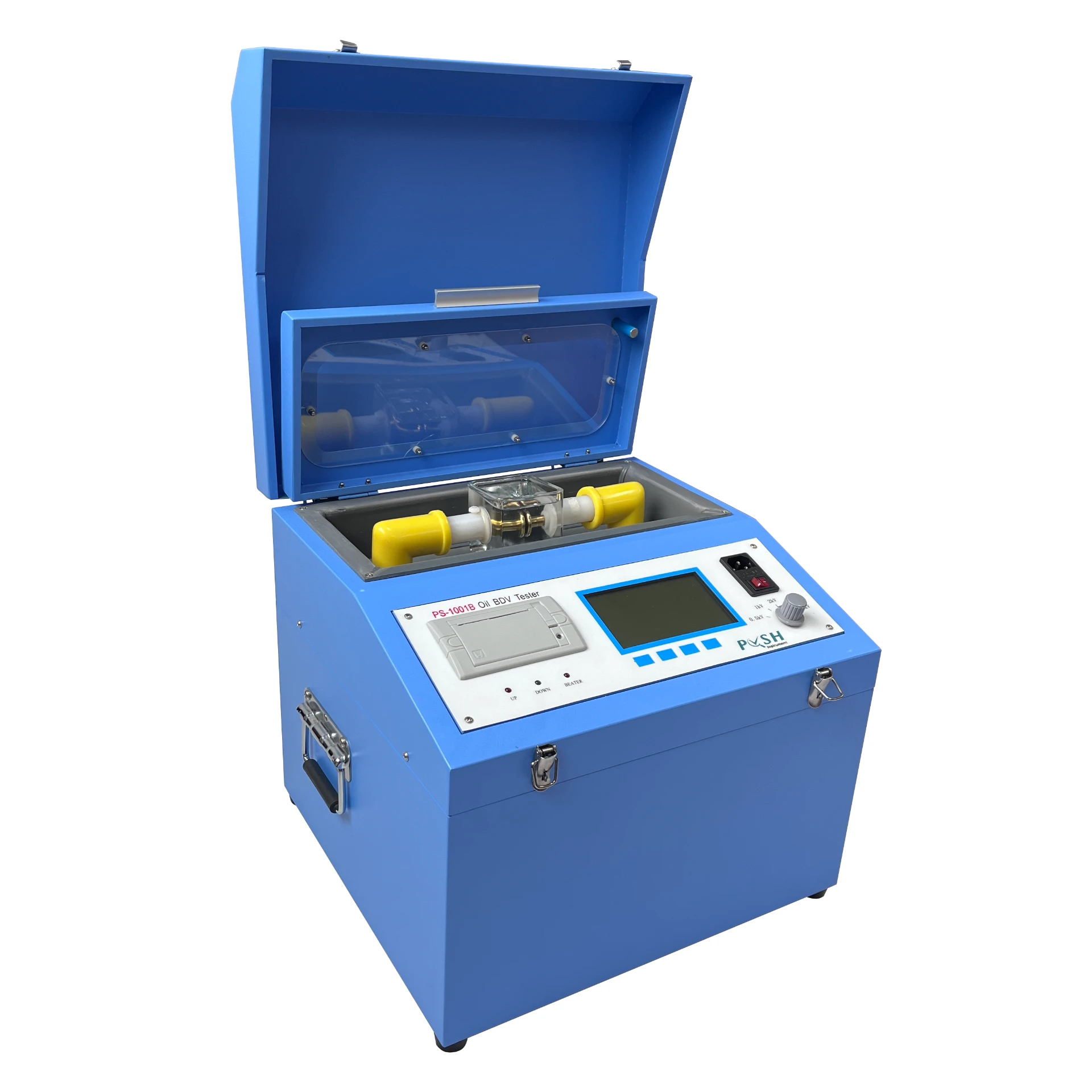
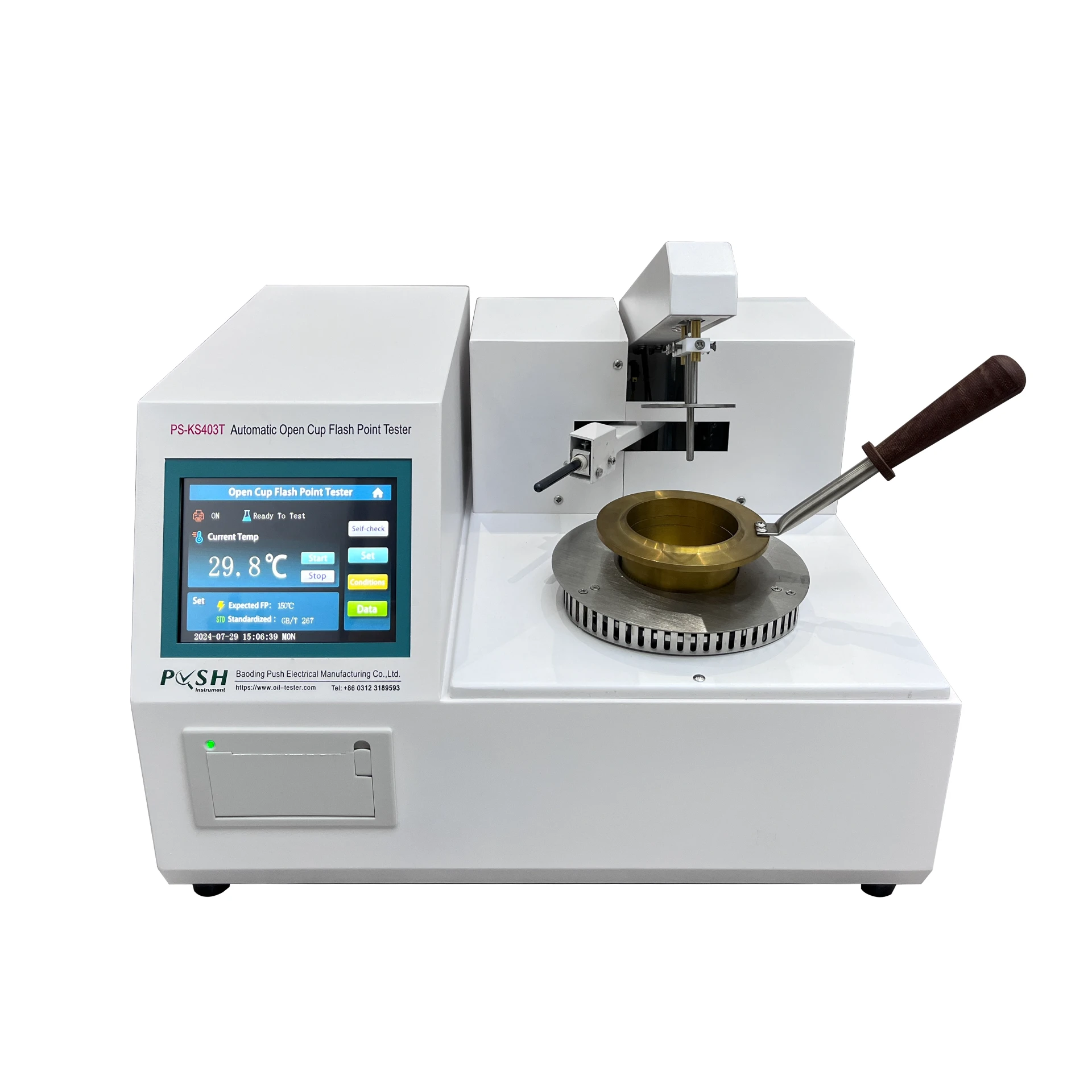
Fa'atatau Tala Fou
-
 Find the Best Loop Impedance Tester for Sale and Ensure Electrical SafetyWhen ensuring electrical safety, accurate loop impedance testing is crucial. Whether you’re an electrician, a facilities manager, or a safety inspector, having a reliable loop impedance tester for sale is essential. This article will guide you through the key considerations when purchasing a loop impedance tester, explore the different types available, and highlight the benefits of choosing a high-quality instrument. Understanding the nuances of these testers will help you make an informed decision and ensure compliance with safety regulations.Fa'amatalaga
 -
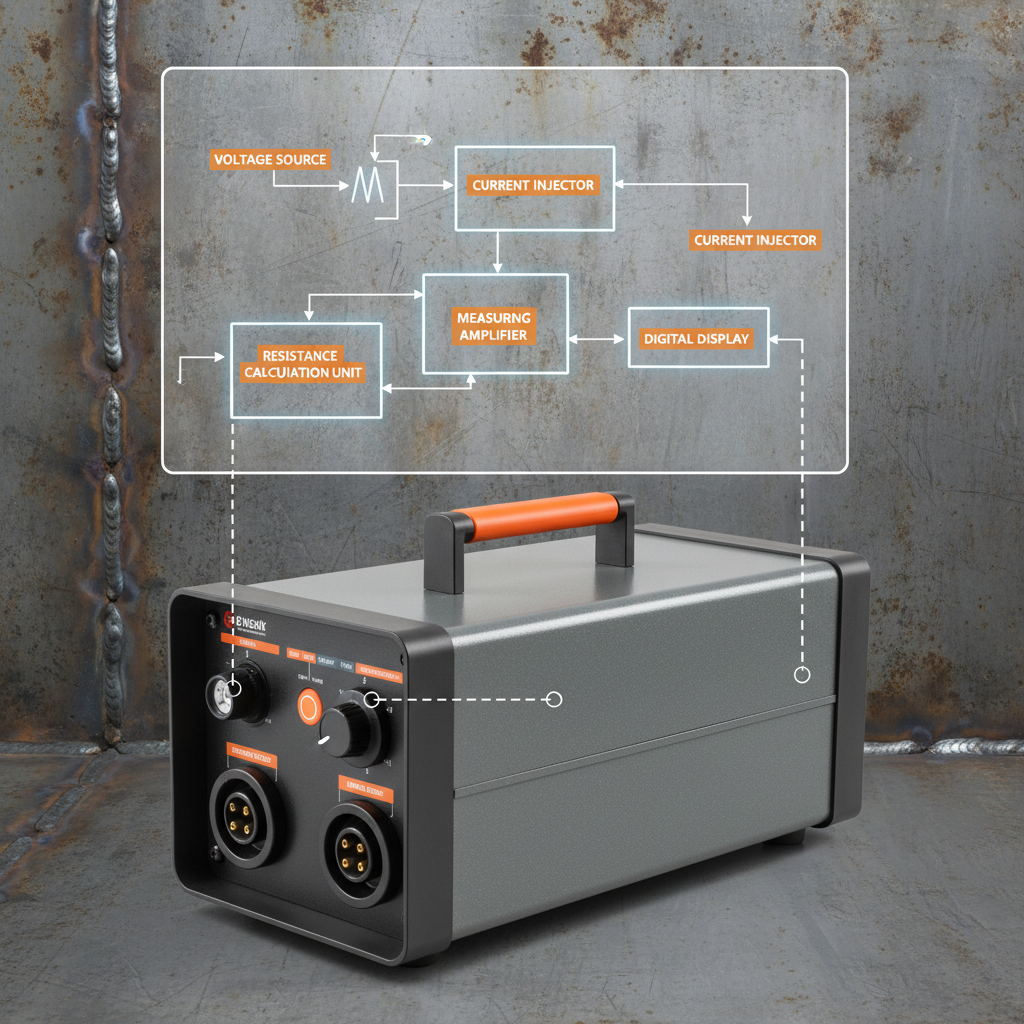 Comprehensive Guide to Loop Impedance Meter for Electrical SafetyEnsuring electrical safety is paramount in any installation, and a loop impedance meter is a crucial tool for achieving this. This device measures the total impedance of the earth fault loop, helping to verify that protective devices will operate correctly under fault conditions. In this article, we'll explore what a loop impedance meter is, how it works, its applications, factors influencing measurements, choosing the right meter, and the importance of regular testing. Investing in a quality meter from Push Tester is a step towards safer electrical systems.Fa'amatalaga
 -
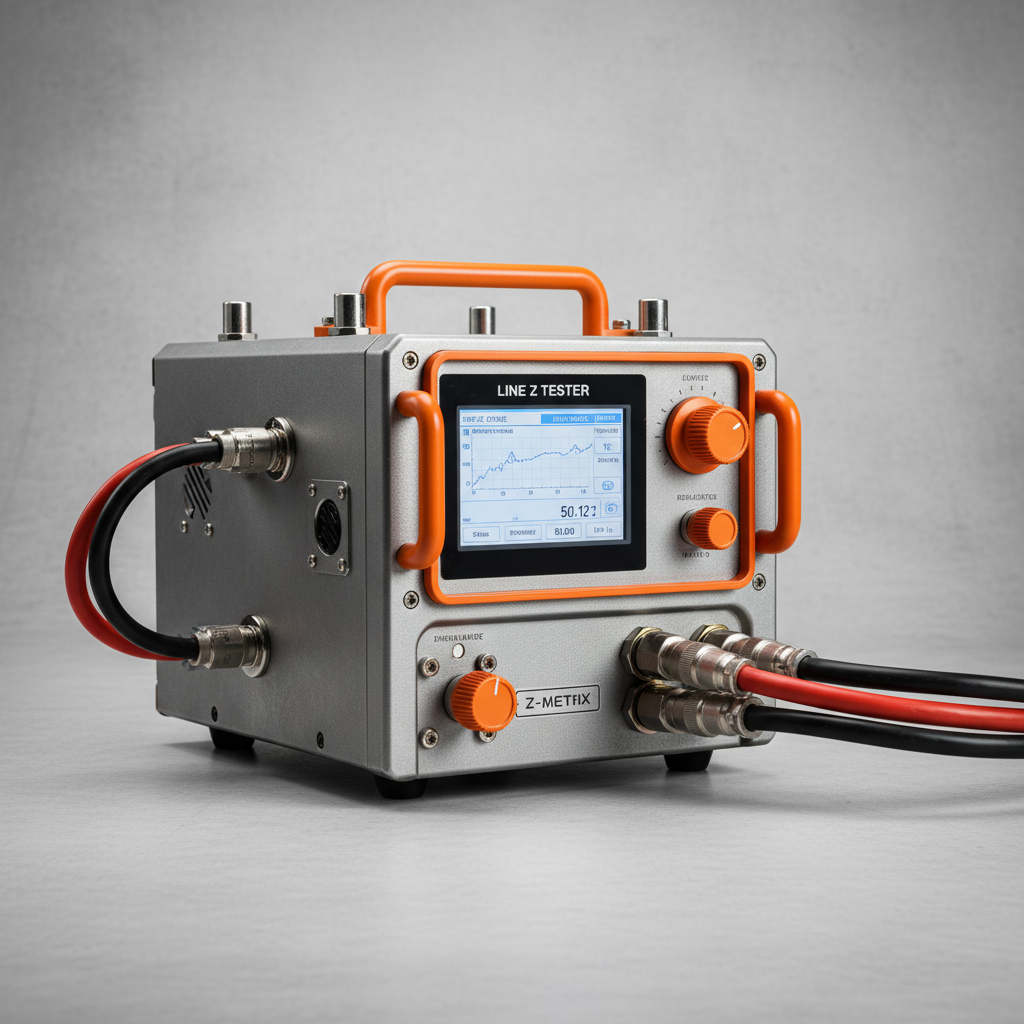 Understanding and Choosing a Line Impedance Tester for Optimal Network PerformanceIn the realm of telecommunications and electrical engineering, maintaining the integrity of transmission lines is paramount. A line impedance tester is a crucial instrument for ensuring optimal signal transmission and preventing costly network disruptions. This article delves into the world of line impedance testing, exploring its importance, applications, types of testers, and what to look for when making a purchase. Ensuring accurate impedance measurements is essential for efficient and reliable network performance. Choosing the right tester can significantly impact troubleshooting speed and the overall quality of your infrastructure. A line impedance tester, also known as a cable impedance analyzer, is a device used to measure the characteristic impedance of coaxial cables, twisted pair cables, and other transmission lines. Impedance, measured in ohms, represents the opposition to the flow of alternating current. Maintaining the correct impedance (typically 50 or 75 ohms) is vital for minimizing signal reflections, ensuring efficient power transfer, and preventing signal degradation. Mismatched impedance can lead to signal loss, ghosting, and reduced network performance. Regular testing helps identify faults and maintain network integrity.Fa'amatalaga


