 English



-
 Afrikaans
 -
 Albanian
 -
 Amharic
 -
 Arabic
 -
 Armenian
 -
 Azerbaijani
 -
 Basque
 -
 Belarusian
 -
 Bengali
 -
 Bosnian
 -
 Bulgarian
 -
 Catalan
 -
 Cebuano
 -
 China
China -
 China (Taiwan)
 -
 Corsican
 -
 Croatian
 -
 Czech
Czech -
 Danish
 -
 Dutch
Dutch -
 English
 -
 Esperanto
 -
 Estonian
 -
 Finnish
 -
 French
 -
 Frisian
 -
 Galician
 -
 Georgian
 -
 German
 -
 Greek
Greek -
 Gujarati
 -
 Haitian Creole
 -
 hausa
hausa -
 hawaiian
 -
 Hebrew
 -
 Hindi
Hindi -
 Miao
Miao -
 Hungarian
 -
 Icelandic
 -
 igbo
igbo -
 Indonesian
 -
 irish
irish -
 Italian
 -
 Japanese
 -
 Javanese
 -
 Kannada
 -
 kazakh
 -
 Khmer
Khmer -
 Rwandese
 -
 Korean
 -
 Kurdish
 -
 Kyrgyz
 -
 Lao
Lao -
 Latin
Latin -
 Latvian
 -
 Lithuanian
 -
 Luxembourgish
 -
 Macedonian
 -
 Malgashi
 -
 Malay
Malay -
 Malayalam
 -
 Maltese
 -
 Maori
Maori -
 Marathi
 -
 Mongolian
 -
 Myanmar
 -
 Nepali
 -
 Norwegian
 -
 Norwegian
 -
 Occitan
 -
 Pashto
 -
 Persian
 -
 Polish
 -
 Portuguese
 -
 Punjabi
 -
 Romanian
 -
 Russian
 -
 Samoan
 -
 Scottish Gaelic
 -
 Serbian
 -
 Sesotho
 -
 Shona
Shona -
 Sindhi
 -
 Sinhala
 -
 Slovak
 -
 Slovenian
 -
 Somali
 -
 Spanish
 -
 Sundanese
 -
 Swahili
 -
 Swedish
 -
 Tagalog
 -
 Tajik
Tajik -
 Tamil
Tamil -
 Tatar
Tatar -
 Telugu
 -
 Thai
Thai -
 Turkish
 -
 Turkmen
 -
 Ukrainian
 -
 Urdu
Urdu -
 Uighur
 -
 Uzbek
Uzbek -
 Vietnamese
 -
 Welsh
Welsh -
 Bantu
Bantu -
 Yiddish
 -
 Yoruba
 -
 Zulu
Zulu
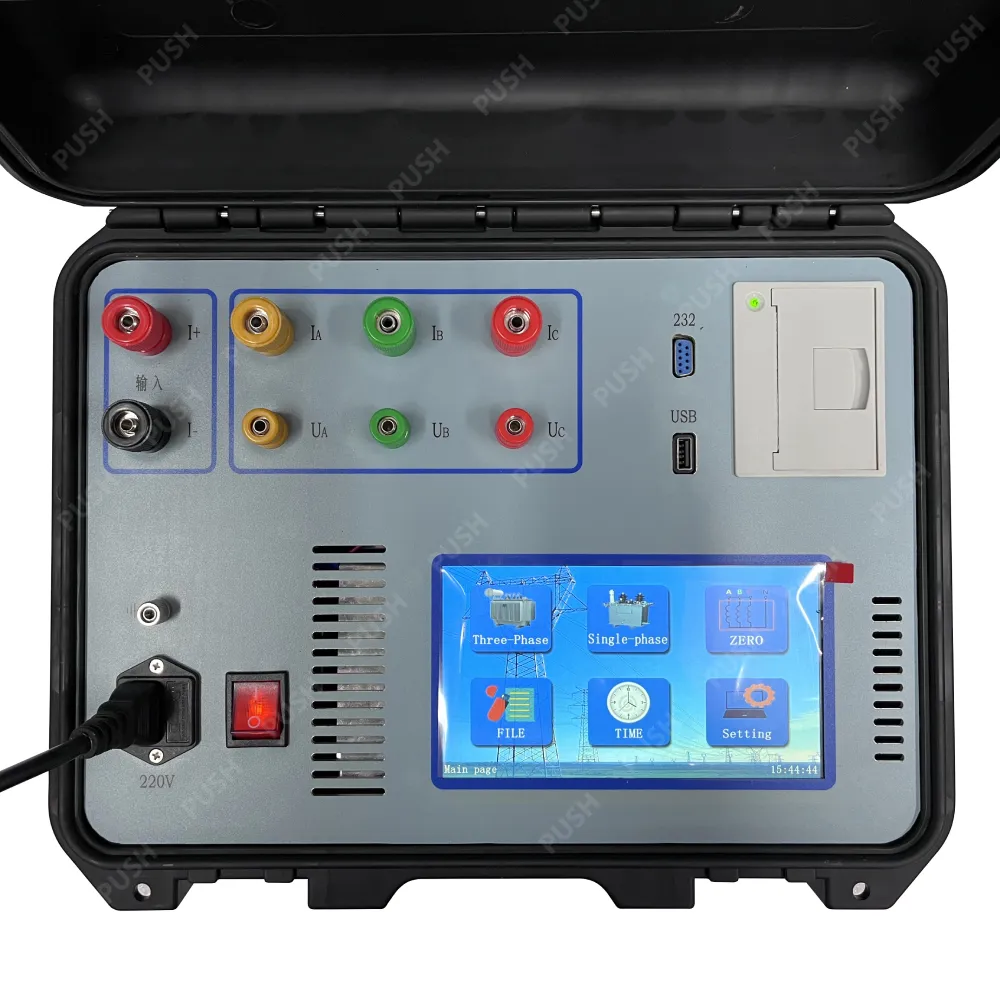
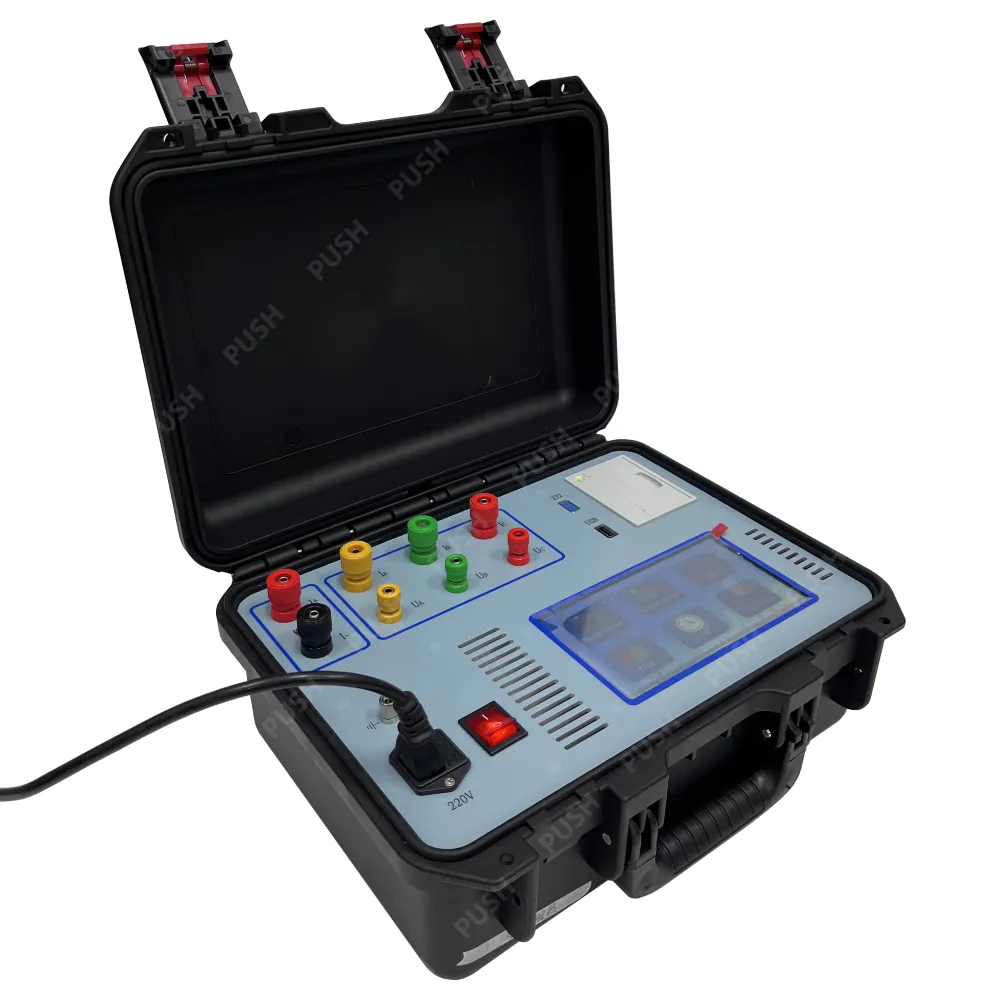
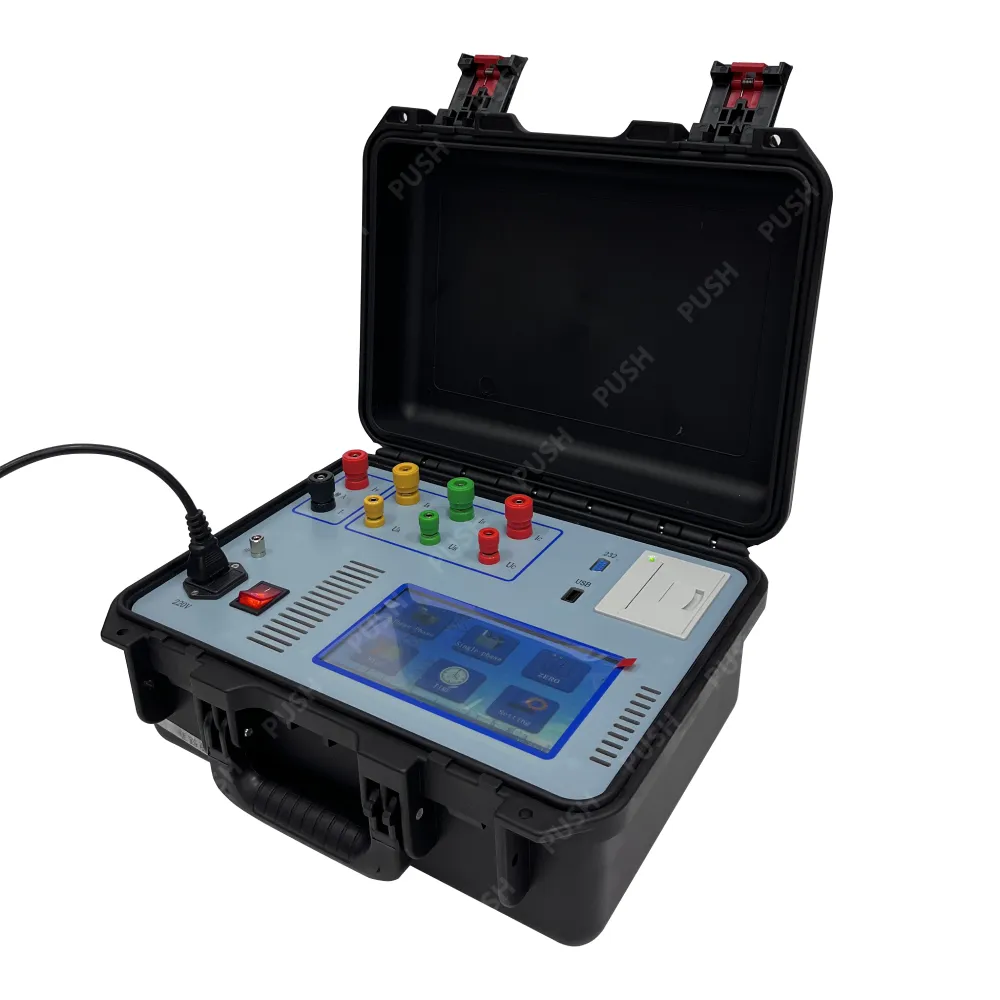
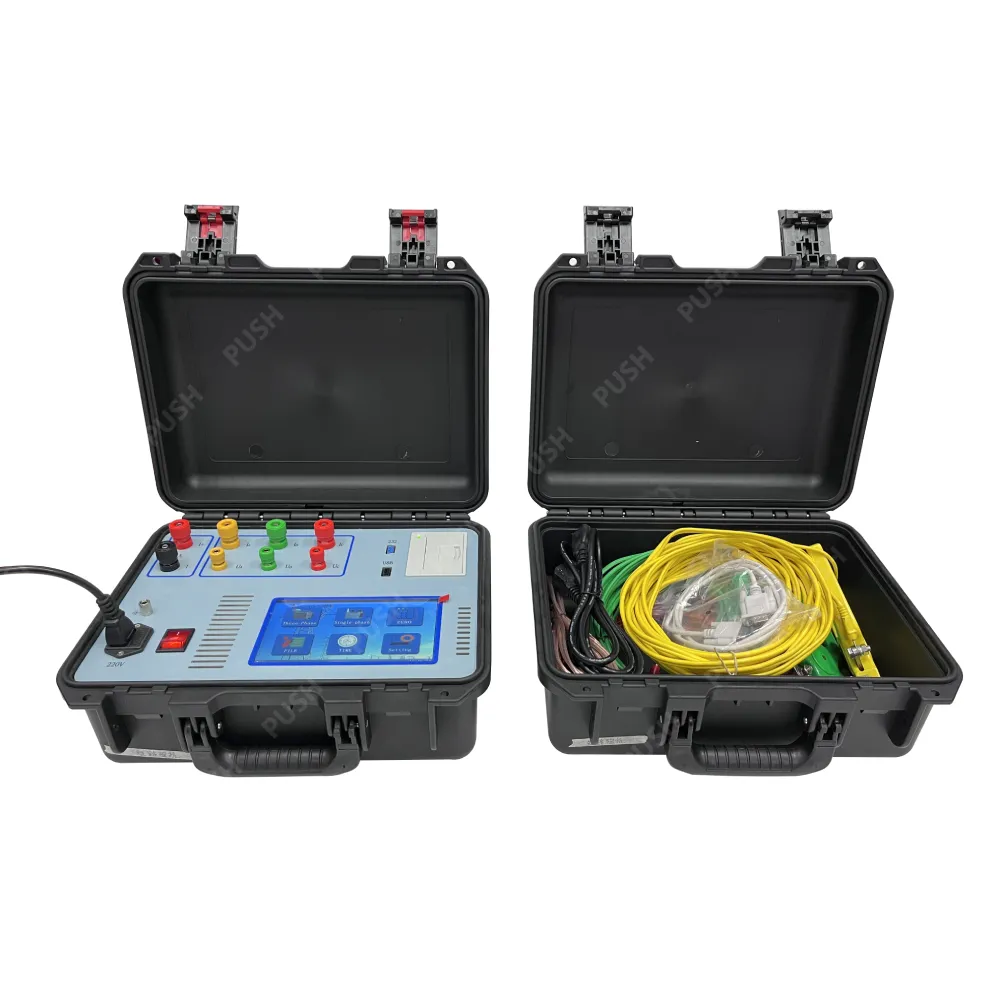
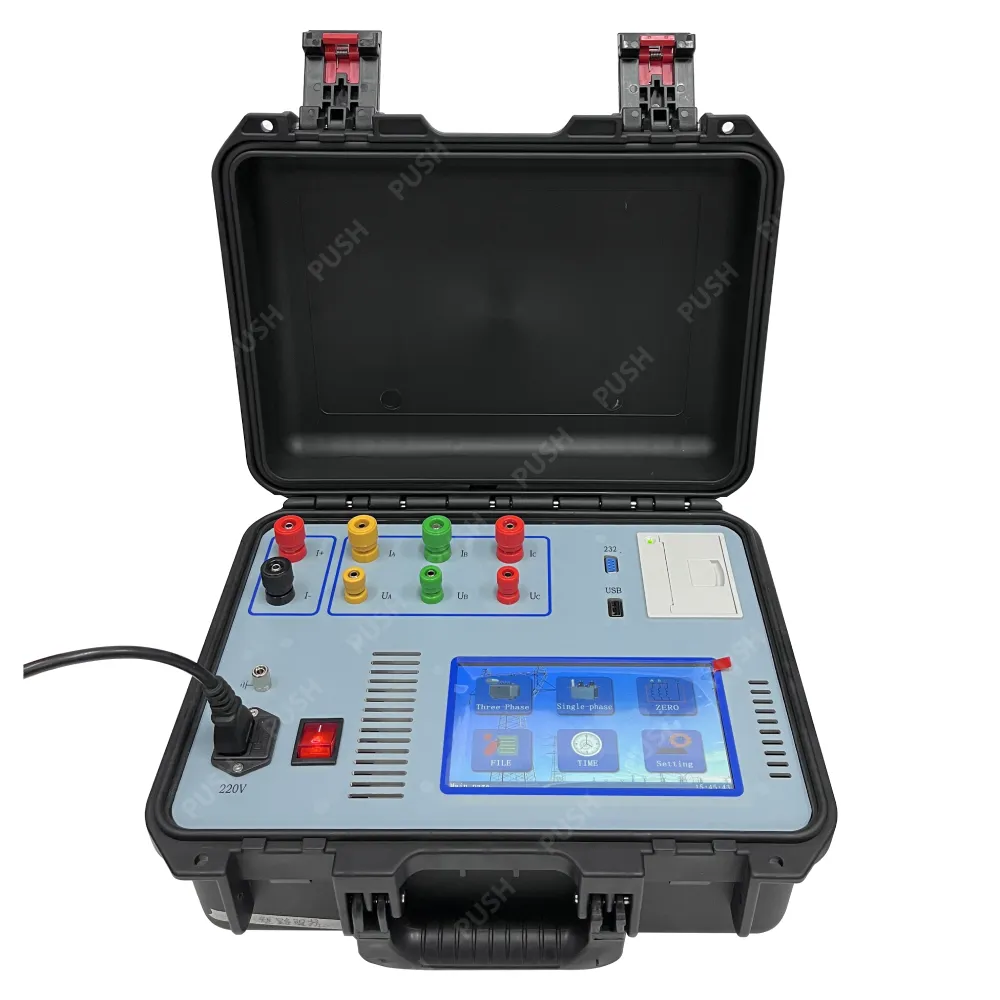
- 1. Measurement of three-phase short-circuit impedance:
Display three-phase voltage, three-phase current, three-phase power; automatically calculate the percentage of impedance voltage converted to rated temperature and rated current of the transformer, and the percentage of error with the impedance of the nameplate.
2. Measurement of single-phase short-circuit impedance:
Measure the short-circuit impedance of a single-phase transformer.
3. Measurement of zero-sequence impedance:
The measurement of zero-sequence impedance is suitable for transformers with neutral point in star connection on the high voltage side.
4. It can be directly measured within the allowable measurement range of the instrument, and external voltage and current transformers can be connected outside the measurement range. The instrument can set the transformation ratio of the external voltage and current transformers, and directly display the applied voltage and current values.
5. The instrument adopts large-screen color high-resolution touch LCD, Chinese menu, Chinese prompts, and easy operation.
6. The instrument comes with a printer, which can print and display data.
7. Built-in non-power-down memory, can store 200 sets of measurement data.
8. The instrument is equipped with a U disk interface for accessing test data.
9. Permanent calendar, clock function, time calibration can be carried out.
10. The instrument has a wide measurement range, high precision and good stability; small size and light weight are convenient for measurement.
|
Voltage (range automatic) |
15 ~ 400V |
± (reading × 0.2% + 3 digits)± 0.04% (range) |
||
|
Current (range automatic) |
0.10 ~ 20A |
± (reading × 0.2% + 3 digits) ± 0.04% (range) |
||
|
Power |
COSΦ>0.15 |
± (reading × 0.5% + 3 digits) |
||
|
Frequency (power frequency) |
45~65(Hz) |
Measurement accuracy |
±0.1% |
|
|
Short circuit impedance |
0~100% |
Measurement accuracy |
±0.5% |
|
|
Repeat stability |
ratio difference <0.2%, angular difference <0.02° |
|||
|
Instrument display |
5 digits |
|||
|
Instrument protection current |
The test current is greater than 18A, the internal relay of the instrument is disconnected, and the overcurrent protection is provided. |
|||
|
Ambient temperature |
-10℃~40℃ |
|||
|
Relative humidity |
≤85%RH |
|||
|
Working power |
AC 220V±10% 50Hz±1Hz |
|||
|
Dimensions |
Host |
360*290*170(mm) |
Wire box |
360*290*170(mm) |
|
Weight |
Host |
4.85Kg |
Wire box |
5.15KG |
cable impedance tester
impedance test of transformer
loop impedance meter
loop impedance tester
loop impedance tester for sale
loop impedance tester price
low impedance tester
short circuit impedance
short circuit impedance of transformer
short circuit impedance test of transformer
short circuit impedance transformer
transformer short circuit impedance test
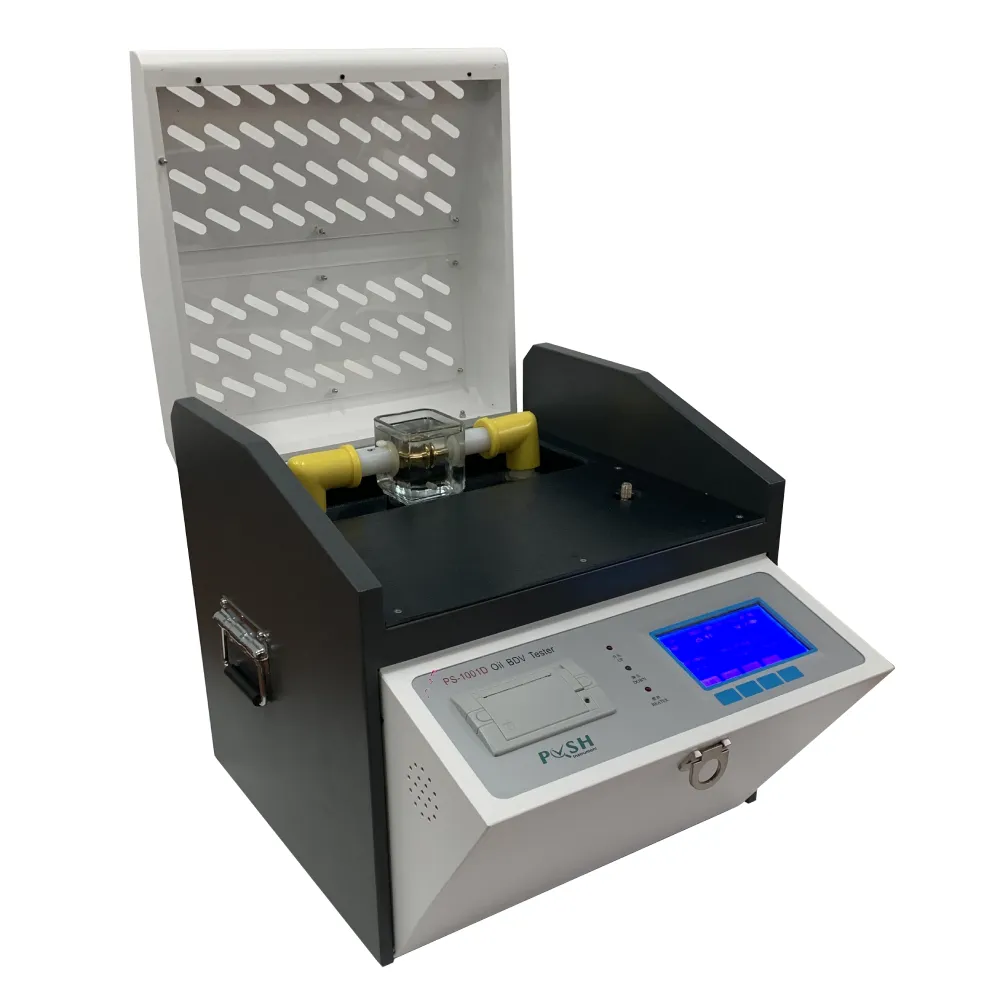
-
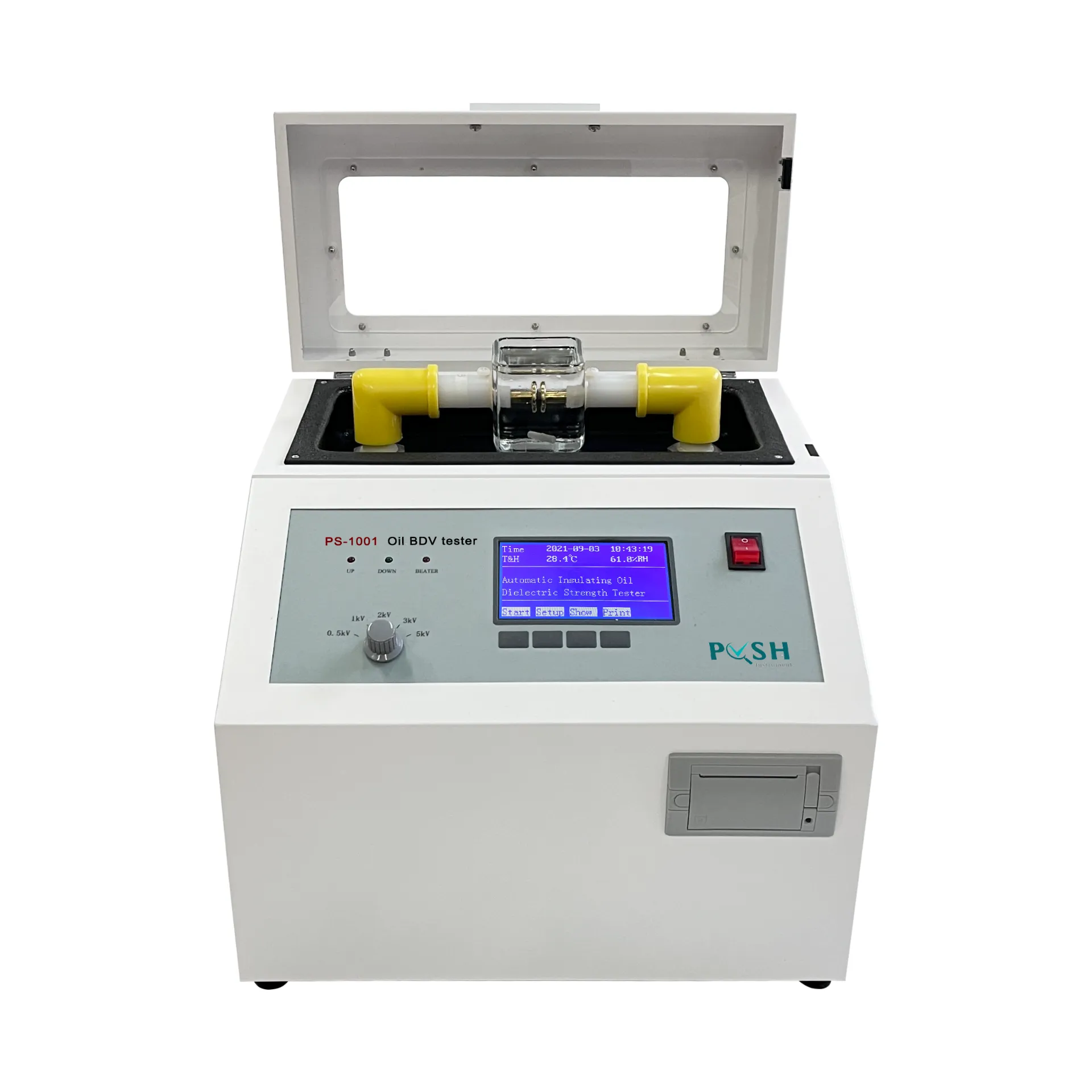
 Find the Best Loop Impedance Tester for Sale and Ensure Electrical SafetyWhen ensuring electrical safety, accurate loop impedance testing is crucial. Whether you’re an electrician, a facilities manager, or a safety inspector, having a reliable loop impedance tester for sale is essential. This article will guide you through the key considerations when purchasing a loop impedance tester, explore the different types available, and highlight the benefits of choosing a high-quality instrument. Understanding the nuances of these testers will help you make an informed decision and ensure compliance with safety regulations.Detail
 -
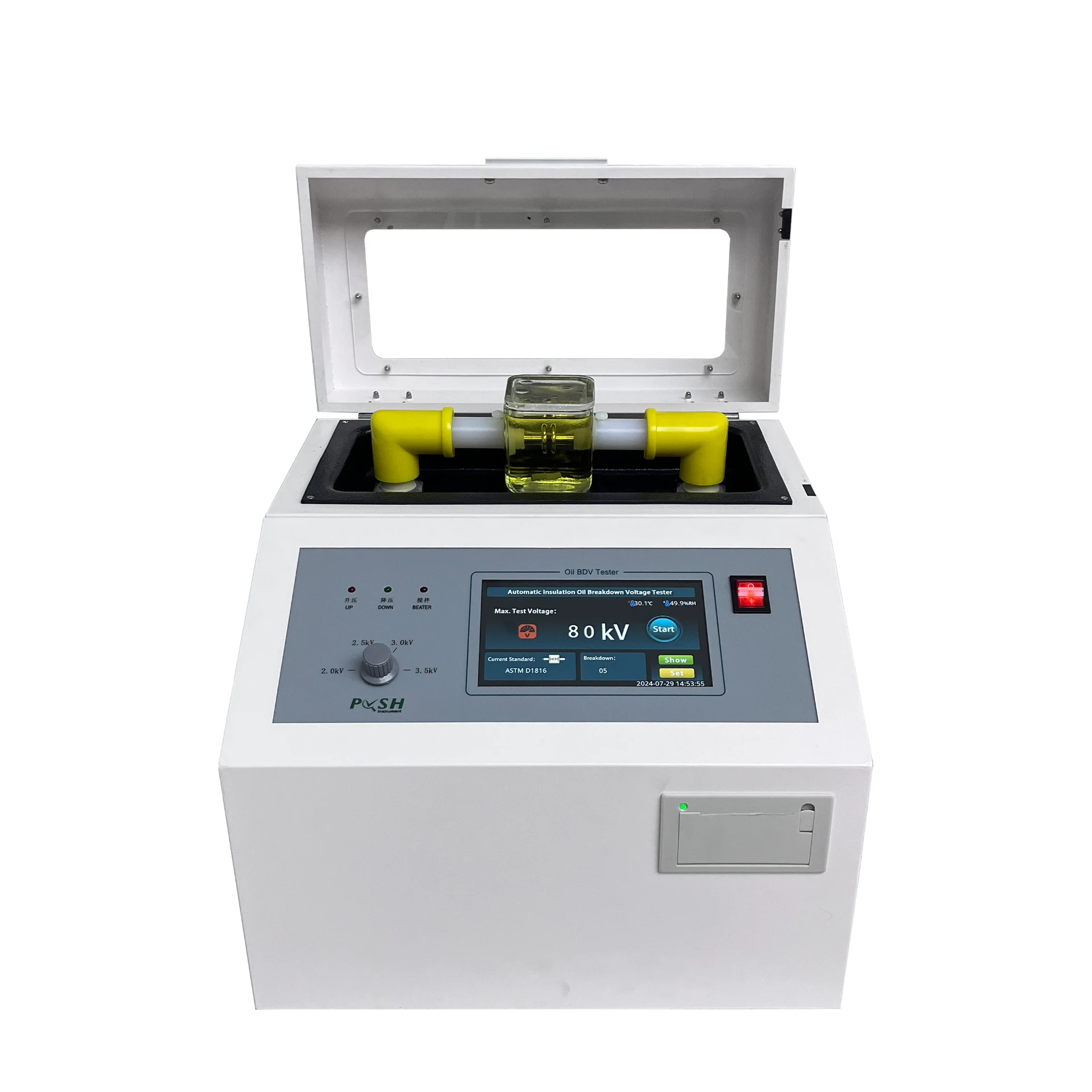
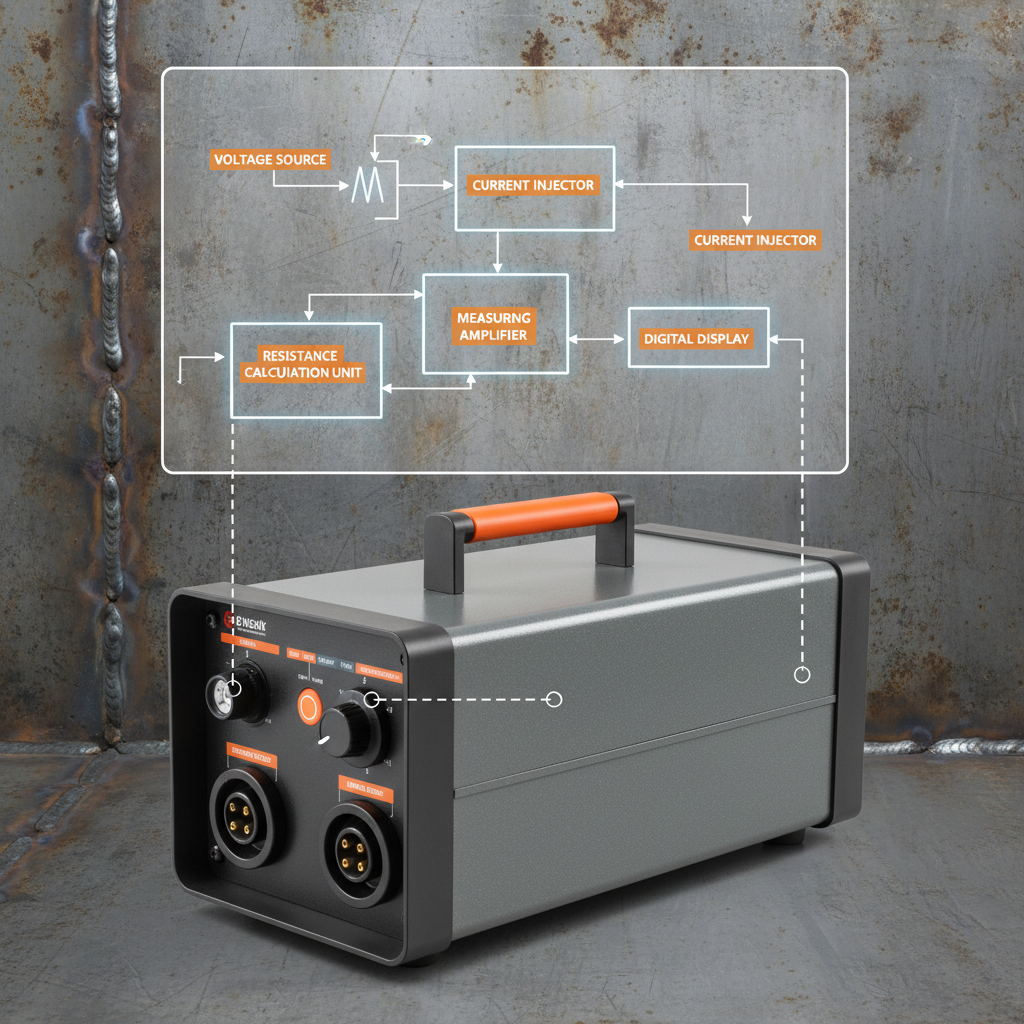 Comprehensive Guide to Loop Impedance Meter for Electrical SafetyEnsuring electrical safety is paramount in any installation, and a loop impedance meter is a crucial tool for achieving this. This device measures the total impedance of the earth fault loop, helping to verify that protective devices will operate correctly under fault conditions. In this article, we'll explore what a loop impedance meter is, how it works, its applications, factors influencing measurements, choosing the right meter, and the importance of regular testing. Investing in a quality meter from Push Tester is a step towards safer electrical systems.Detail
 -
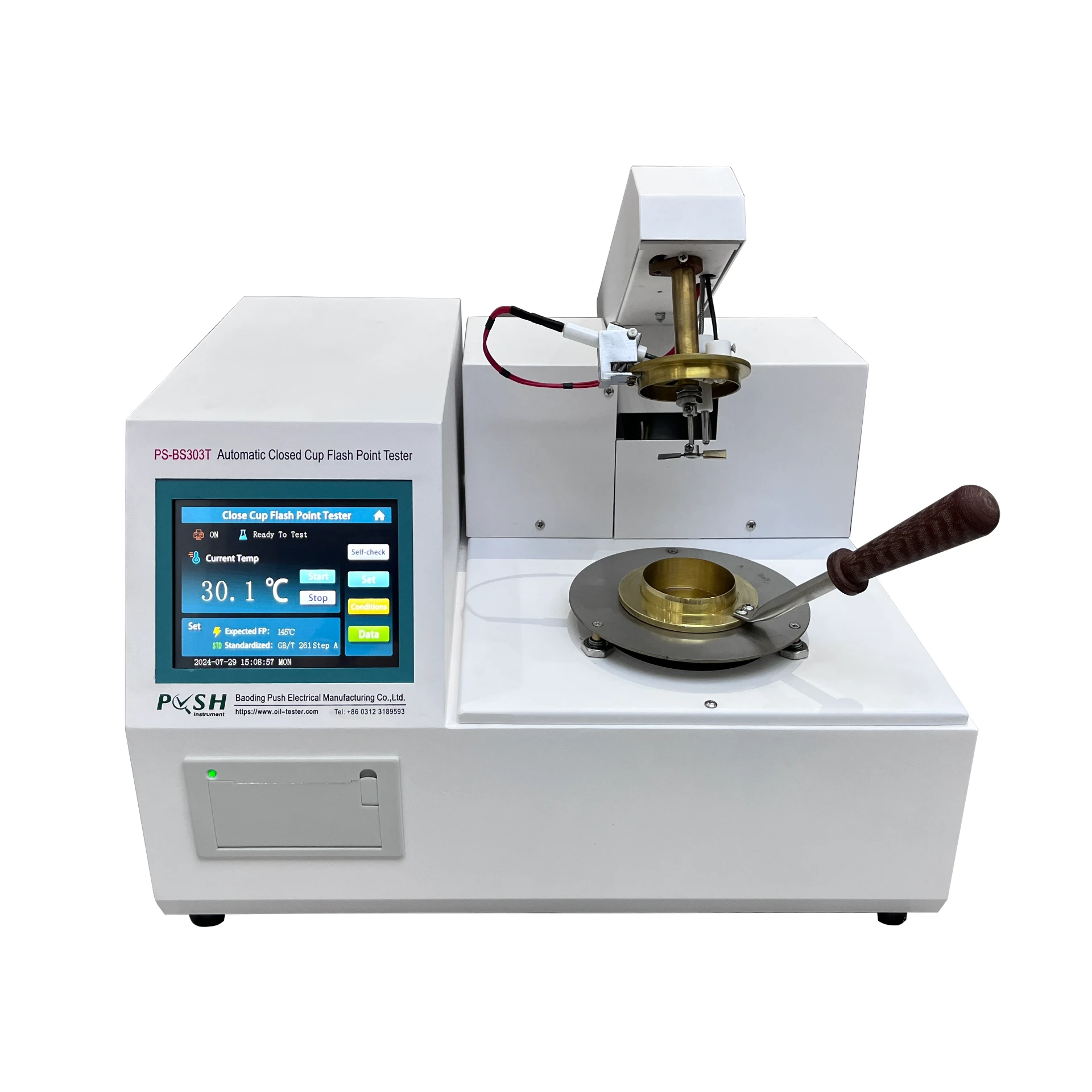
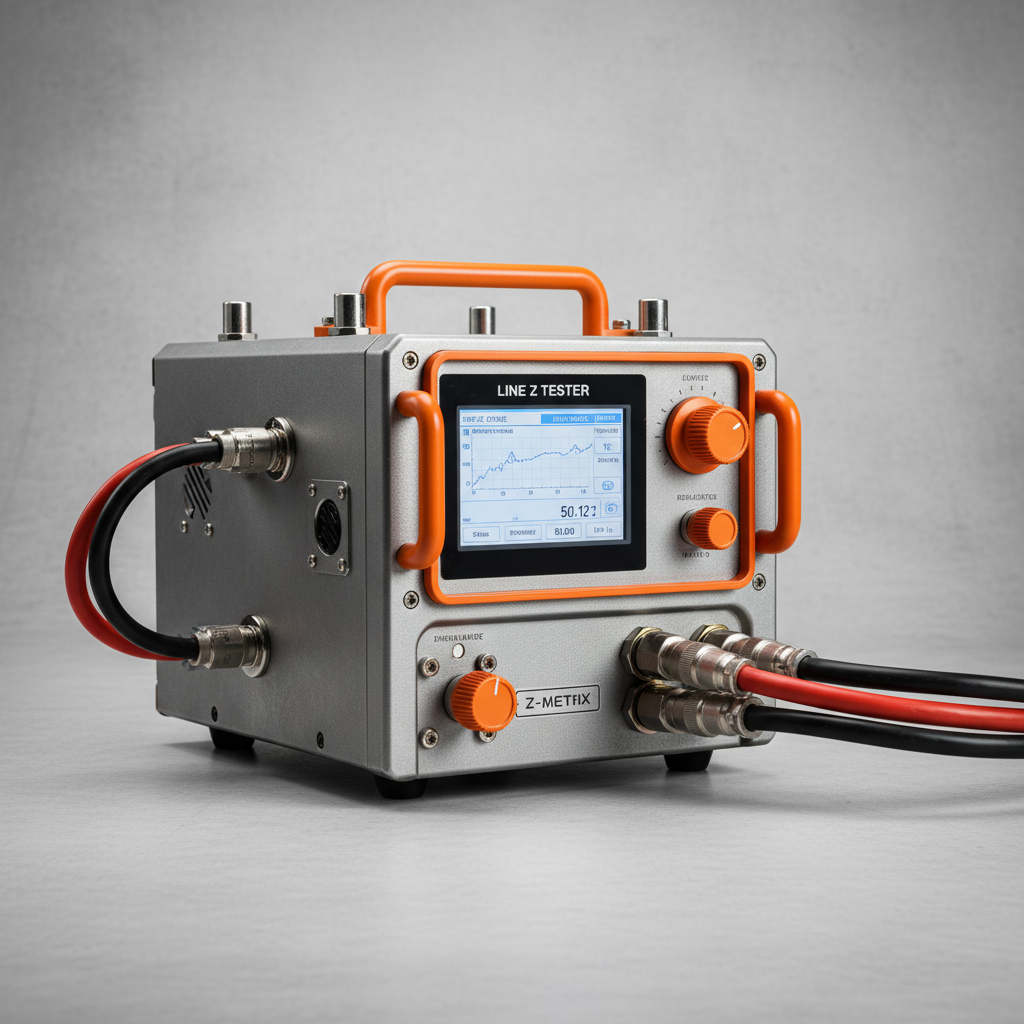 Understanding and Choosing a Line Impedance Tester for Optimal Network PerformanceIn the realm of telecommunications and electrical engineering, maintaining the integrity of transmission lines is paramount. A line impedance tester is a crucial instrument for ensuring optimal signal transmission and preventing costly network disruptions. This article delves into the world of line impedance testing, exploring its importance, applications, types of testers, and what to look for when making a purchase. Ensuring accurate impedance measurements is essential for efficient and reliable network performance. Choosing the right tester can significantly impact troubleshooting speed and the overall quality of your infrastructure. A line impedance tester, also known as a cable impedance analyzer, is a device used to measure the characteristic impedance of coaxial cables, twisted pair cables, and other transmission lines. Impedance, measured in ohms, represents the opposition to the flow of alternating current. Maintaining the correct impedance (typically 50 or 75 ohms) is vital for minimizing signal reflections, ensuring efficient power transfer, and preventing signal degradation. Mismatched impedance can lead to signal loss, ghosting, and reduced network performance. Regular testing helps identify faults and maintain network integrity.Detail


